
 17 Oct 2026









Bidzina Ivanishvili: Georgia to join family of most democratic countries in 2030
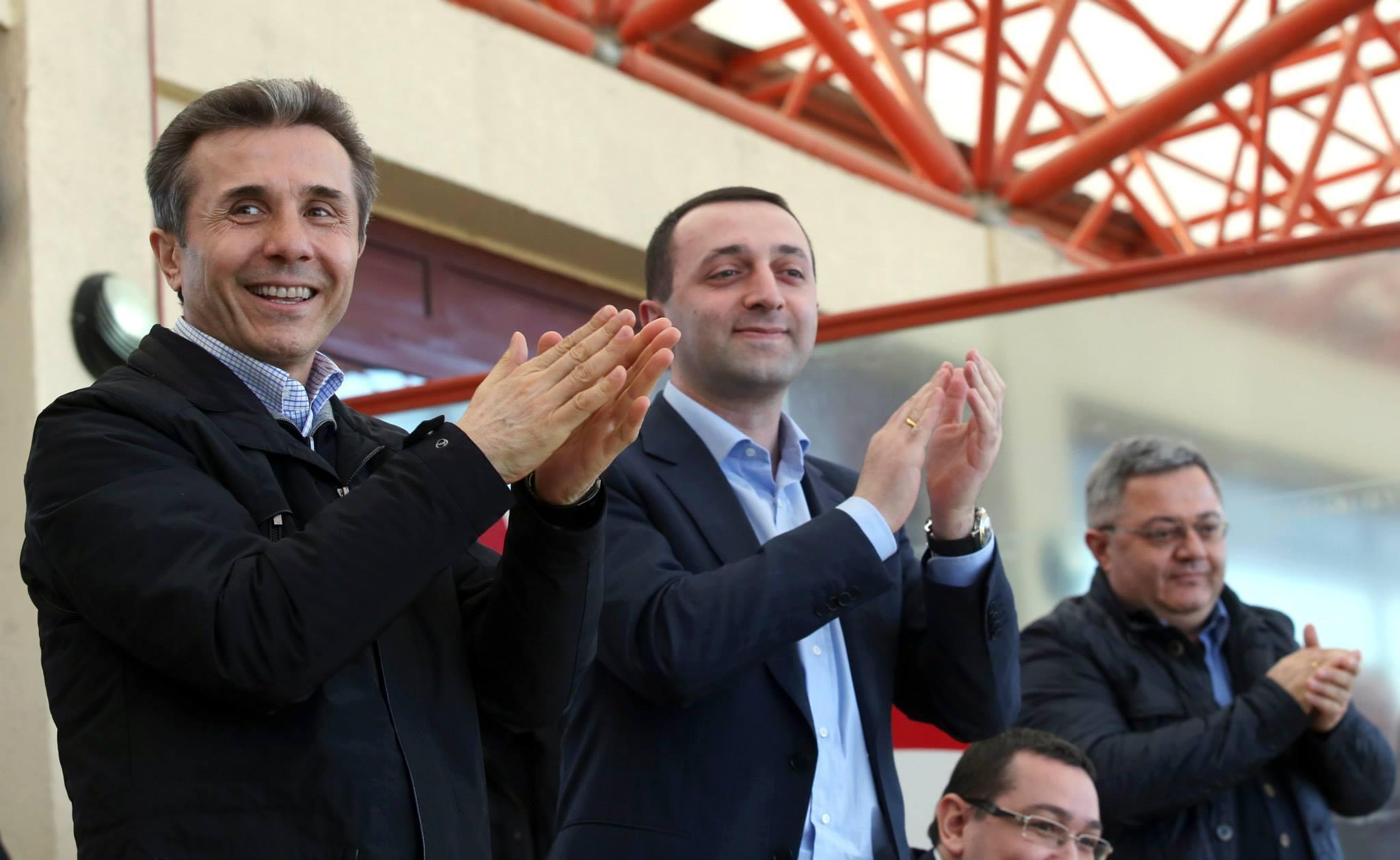
We will apply for EU membership in 2024. I am sure we will maintain stability, and Georgia will become a member of the family of the most democratic countries in 2030, GD founder Bidzina Ivanishvili stated in an interview with the Georgian Public Broadcaster.
According to him, Georgia is ready for EU as well as NATO membership.
“When I founded 20/30, then the year 2030 was quite far away. It seemed very hopeless. Georgians are a bit hasty. Therefore, I could not say boldly then, but I can now. We will apply for EU membership in 2024. If we continue this strategy, develop steadily, we can very likely join the family of democracies where our place is. Also, NATO needs democratic, financial institutions, and well-trained troops. I think we meet the NATO standards today and yesterday. A large part of NATO member states in Europe does not pay even those two percent of the GDP, but we do. We, a poor country, observe this norm.
We easily meet the NATO standards today, but the UNM’s reckless action in 2008 raised many questions. We have strategic partners, European friends, we have strong support, and we must do everything to make the country, first of all, politically stable. We still managed, and I am sure we will succeed in the future. We will maintain stability, and Georgia will become a member of the family of the most democratic and prosperous countries. 2030 is not too far away. We will apply for EU membership in 2024. If we do not get in trouble, develop steadily, we join the most interesting family by 2030. We will not be the richest there economically, but other horizons will open up, and I think we will make our country as successful as the European countries in a short time,” Ivanishvili said.


 Latest news
Latest news
Latest newsBulgaria Asks NATO to Strengthen Its Defences Amid Black Sea Threats: Sofia Fears Growing Risks to Maritime Shipping
16.Oct.2026
Black Sea Shipping Risks Threaten Bulgaria’s 5 Million Tonnes of Wheat Exports
15.Oct.2026
Georgia’s Foreign Funding and Political Ban Laws Draw Criticism from the Venice Commission
15.Oct.2026
Kazakhstan Promotes a Caspian Green Energy Corridor: Astana Seeks New Routes to the European Market
14.Oct.2026
Inflation in Romania Accelerates to 6.61%: Rising Prices Increase Pressure on Households and the Economy
13.Oct.2026
Can Europe Protect the International Criminal Court from Trump’s Sanctions?
13.Oct.2026
Georgia’s Constitutional Court Continues Case on Banning Opposition Parties: Political Pluralism at Stake
12.Oct.2026
Azerbaijan and Iran Step Up Security Contacts Amid Hijab Protests
12.Oct.2026
Personnel Shortages Complicate Ukrainian Forces’ Rotation: Ukraine Faces Long-Term Challenges on the Front Line
11.Oct.2026
Trump Eases Sanctions on Russian Fuel After Talks with Putin: Kyiv Fears Boost to Moscow’s War Revenues
10.Oct.2026
Putin Seeks to Strengthen Russia’s Influence in the Post-Soviet Space Through the CIS
10.Oct.2026
Russia and the South Caucasus: External Pressure, Political Competition and a Crisis of Trust
10.Oct.2026
Peaceful Settlement Between Armenia and Azerbaijan: Moving from Declarations to Implementation
10.Oct.2026
Moldova Ready to Accept as Many Ukrainians as Necessary if Situation Worsens This Winter
09.Oct.2026
Turkmenistan Turns Avaza into a Regional Diplomatic Hub as Caspian, Central Asian and CIS Agendas Converge
08.Oct.2026