
 17 Oct 2026









The economic cost of the Karabakh conflict
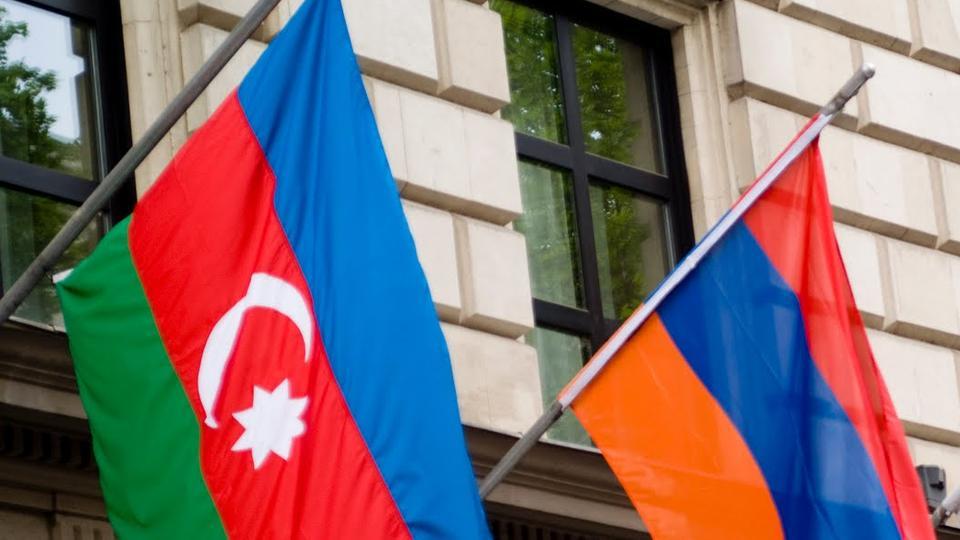
The fierce battle between Azerbaijan and Armenia over the Nagorno-Karabakh region is taking a heavy toll on their economies
Heavy fighting between oil-rich Azerbaijan and its impoverished, landlocked neighbor Armenia over the disputed Nagorno-Karabakh region is dealing a major blow to their economies, already battered by the coronavirus pandemic.
Armenian subsidies
The Armenian-populated region of Nagorno-Karabakh broke away from Azerbaijan in a 1990s war and has remained under the control of ethnic-Armenian separatists backed by Yerevan.
It has a small but fast-growing economy which was worth $710 million in 2019, according official figures cited by the RBK Russian business news website.
Over the last decade it registered an average annual growth rate of around 10%, RBK reported.
More than the half of the enclave's budget consists of subsidies from Armenia and generous donations from the Armenian diaspora, funds which have sparked a construction boom.
If Azerbaijan recaptures Karabakh, Armenia would lose important local infrastructure and hundreds of millions of dollars it pumped into the region's economy over decades.
Last year alone, Yerevan transferred $120 million to Karabakh's budget, according to RBK.
Armenia's economy is expected to shrink by at least 10% this year – against 4% growth projected prior to the COVID-19 pandemic, analyst Tatul Manaseryan told Agence France-Presse.
"There is no infrastructure [in Karabakh] that escaped being damaged: gas, water, electricity...hydroelectric facilities, and mining structures," he said, adding that the human cost of the fighting "will be the main [economic] burden" for the land of some 3 million people.
"There will be a deficit of qualified workforce. Young engineers and scientists are going to the front. It will be a demographic challenge."
The clashes in Karabakh that erupted on September 27 are the deadliest since the 1994 ceasefire and have so far claimed more than 900 lives.
Mines and electricity
The mining sector – copper, gold, precious stones – is the backbone of Karabakh's economy.
The Armenian group Vallex, which operates mines in the Martakert district close to the frontline, said it was forced to shut down its Kachen mining complex, which is the region's largest employer and taxpayer.
Another important source of revenues are Karabakh's hydropower plants which produce electricity both for local consumption and for export to Armenia.
Azerbaijan has claimed it took control of one of Karabakh's main hydroelectric plants, Khudaferin, on the border with Iran.
Oil and gas pipelines
Energy-rich Azerbaijan pumps crude and natural gas from the Caspian Sea to Europe via pipelines that bypass Russia.
The supplies reduce Europe's dependence on Russian energy, which the Kremlin has sought to leverage as a geopolitical tool against the West.
The Baku-Tbilisi-Ceyhan oil pipeline – operated by Western companies such as British Petroleum, the US' Chevron, and Norway's Statoil – connects Azerbaijan to Turkey via Georgia.
The Baku-Tbilisi-Erzurum gas pipeline operated by BP is expected to be linked with Italy by the end of the year.
Both pipelines are within the firing distance of Karabakh, and Azerbaijan has said its air defenses shot down Armenian missiles targeting them – a claim Yerevan has denied.
A disruption in energy exports would deal a heavy blow to Azerbaijan's economy, which has suffered from falling oil prices.
"The pipelines are laid two meters underground, so there is protection there from material damage," analyst Swapnil Babele of Rystad Energy, an independent energy research and business intelligence company.
Babele added that if Armenian troops capture territory that pipelines cross through, this would represent "a potential threat to oil and gas exports in the region."
Any disruption would also have an impact on Turkey, which is linked to Azerbaijan by energy delivery and transit contracts.
Regional implications
The decades-long Karabakh conflict has been the major obstacle for the economic integration of the 3 South Caucasus countries – Armenia, Azerbaijan, and Georgia.
It is also likely to have scared away foreign investors and negatively affect "both countries' credit...and investment ratings," said US-based professor and economist Gubad Ibadoghlu.
He added that efforts by Armenia and Azerbaijan to maintain competitive armies weighs heavily on their budgets.
The region's poorest country, Armenia, is also sidelined from all the major energy and transit projects in the Caucasus region, noted Azerbaijani economist and opposition leader Natig Jafarli.
"The military expenditure of the two countries could be devoted to the social protection of the population and to the development of the economy," he said.
05.11.2020 12:11


 Latest news
Latest news
Latest newsBulgaria Asks NATO to Strengthen Its Defences Amid Black Sea Threats: Sofia Fears Growing Risks to Maritime Shipping
16.Oct.2026
Black Sea Shipping Risks Threaten Bulgaria’s 5 Million Tonnes of Wheat Exports
15.Oct.2026
Georgia’s Foreign Funding and Political Ban Laws Draw Criticism from the Venice Commission
15.Oct.2026
Kazakhstan Promotes a Caspian Green Energy Corridor: Astana Seeks New Routes to the European Market
14.Oct.2026
Inflation in Romania Accelerates to 6.61%: Rising Prices Increase Pressure on Households and the Economy
13.Oct.2026
Can Europe Protect the International Criminal Court from Trump’s Sanctions?
13.Oct.2026
Georgia’s Constitutional Court Continues Case on Banning Opposition Parties: Political Pluralism at Stake
12.Oct.2026
Azerbaijan and Iran Step Up Security Contacts Amid Hijab Protests
12.Oct.2026
Personnel Shortages Complicate Ukrainian Forces’ Rotation: Ukraine Faces Long-Term Challenges on the Front Line
11.Oct.2026
Trump Eases Sanctions on Russian Fuel After Talks with Putin: Kyiv Fears Boost to Moscow’s War Revenues
10.Oct.2026
Putin Seeks to Strengthen Russia’s Influence in the Post-Soviet Space Through the CIS
10.Oct.2026
Russia and the South Caucasus: External Pressure, Political Competition and a Crisis of Trust
10.Oct.2026
Peaceful Settlement Between Armenia and Azerbaijan: Moving from Declarations to Implementation
10.Oct.2026
Moldova Ready to Accept as Many Ukrainians as Necessary if Situation Worsens This Winter
09.Oct.2026
Turkmenistan Turns Avaza into a Regional Diplomatic Hub as Caspian, Central Asian and CIS Agendas Converge
08.Oct.2026