
 17 Oct 2026









Nikol Pashinyan: The severe yet heroic course of the war gives us confidence - Artsakh will stay strong
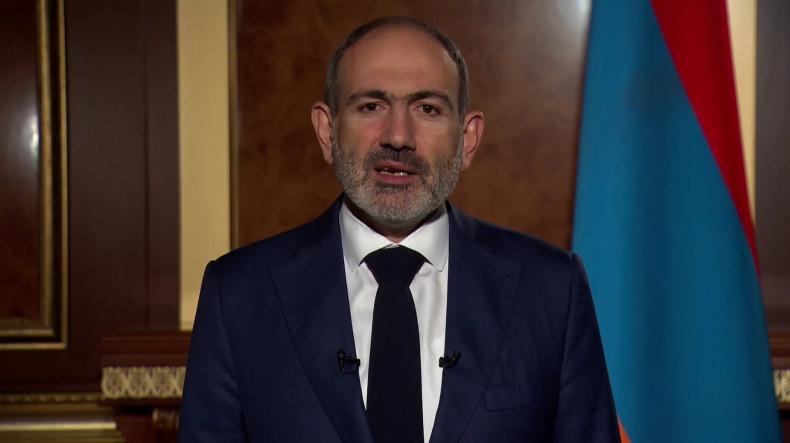
Armenian Prime Minister Nikol Pashinyan addressed the nation on Tuesday, speaking of the war unleashed against Artsakh Republic.
"The Turkish-Azerbaijani forces have been waging a war against Artsakh and the Armenians for a month now. During this period, thousands of shells, rockets fell on the Artsakh Army and the peaceful population, thousands of drones were launched. The adversary has attacked with tanks, helicopters, warplanes, with Azerbaijanis, mercenaries, Turkish and Pakistani special forces," Pashinyan said.
"A month ago, they were tasked to quickly conquer Artsakh, destroy and bring it to knees.Yet today, although wounded, Artsakh stays strong. And this is first thanks to the heroic Army, heroic people and heroic individuals. This severe, yet heroic course gives us the confidence that Artsakh will stay strong, since our spirit is strong, our will is unshakeable," stated Pashinyan.
In the words of the Prime Minister, the war has entered a phase when its every moment has led the adversary to stagnation, breaking its illusions.
Pashinyan said that the enemy is awaiting for the news of Artsakh collapse every day, every second and expecting to hear about its final and irreversible victory. "The Azerbaijani public will never get that news and the permanent expectation of that news is something that will destroy the Azerbaijani aspirations of conquering Artsakh," said the PM.
"The people of Artsakh, the Armenian people will fight with boundless dedication for every tree, every stone, every centimeter and millimeter. And at the right moment, the accurate counterstrike will have an effect of devastating collapse for the adversary" stated Pashinyan.


 Latest news
Latest news
Latest newsBulgaria Asks NATO to Strengthen Its Defences Amid Black Sea Threats: Sofia Fears Growing Risks to Maritime Shipping
16.Oct.2026
Black Sea Shipping Risks Threaten Bulgaria’s 5 Million Tonnes of Wheat Exports
15.Oct.2026
Georgia’s Foreign Funding and Political Ban Laws Draw Criticism from the Venice Commission
15.Oct.2026
Kazakhstan Promotes a Caspian Green Energy Corridor: Astana Seeks New Routes to the European Market
14.Oct.2026
Inflation in Romania Accelerates to 6.61%: Rising Prices Increase Pressure on Households and the Economy
13.Oct.2026
Can Europe Protect the International Criminal Court from Trump’s Sanctions?
13.Oct.2026
Georgia’s Constitutional Court Continues Case on Banning Opposition Parties: Political Pluralism at Stake
12.Oct.2026
Azerbaijan and Iran Step Up Security Contacts Amid Hijab Protests
12.Oct.2026
Personnel Shortages Complicate Ukrainian Forces’ Rotation: Ukraine Faces Long-Term Challenges on the Front Line
11.Oct.2026
Trump Eases Sanctions on Russian Fuel After Talks with Putin: Kyiv Fears Boost to Moscow’s War Revenues
10.Oct.2026
Putin Seeks to Strengthen Russia’s Influence in the Post-Soviet Space Through the CIS
10.Oct.2026
Russia and the South Caucasus: External Pressure, Political Competition and a Crisis of Trust
10.Oct.2026
Peaceful Settlement Between Armenia and Azerbaijan: Moving from Declarations to Implementation
10.Oct.2026
Moldova Ready to Accept as Many Ukrainians as Necessary if Situation Worsens This Winter
09.Oct.2026
Turkmenistan Turns Avaza into a Regional Diplomatic Hub as Caspian, Central Asian and CIS Agendas Converge
08.Oct.2026