
 09 Oct 2026









Russia Begins State Duma Elections Amid War in Ukraine
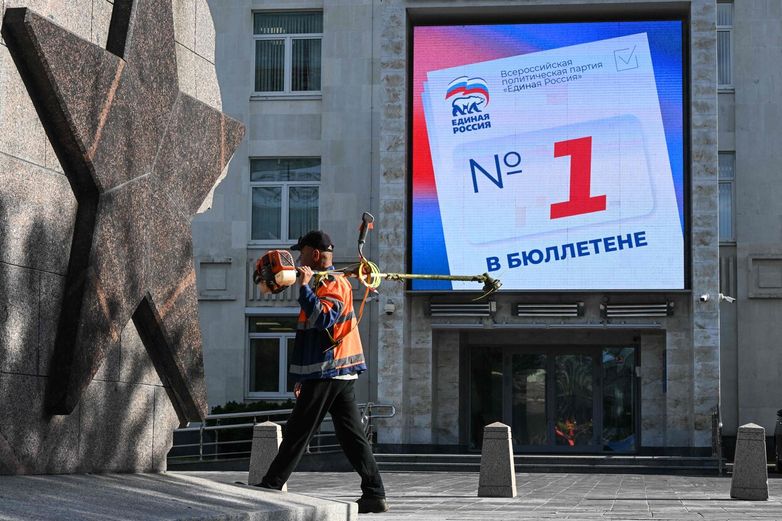
Voting for deputies of the
ninth State Duma takes place from September 18 to 20, alongside regional and
municipal elections. The
elections are being held amid the ongoing war and related domestic
restrictions. International attention is also focused on voting being conducted
in territories of Ukraine that Russia declared part of its territory following
the start of the full-scale invasion. The inclusion of these territories in
Russia’s electoral process is one of the most controversial aspects of the
current elections.
Russia began three days of
voting on September 18 in elections for deputies to the ninth State Duma.
Polling stations will remain open through September 20. These are the first
parliamentary elections in Russia since the start of the full-scale war against
Ukraine in February 2022.
Voters are electing 450
deputies to the lower house of the Federal Assembly. At the same time,
gubernatorial, regional parliamentary and municipal elections are being held in
various parts of the country. According to CCBS, gubernatorial elections are
taking place in 11 regions, while regional parliamentary elections are being
held in 39 regions.
Voting is being conducted over
three days — September 18, 19 and 20. The Central Election Commission has also
expanded the use of electronic voting. Remote electronic voting is available in
Moscow and 32 other regions through federal government information systems,
while Moscow also has its own electronic voting system.
The elections feature Russia’s
main parliamentary parties, including United Russia, the Communist Party, the
Liberal Democratic Party, A Just Russia — For Truth, and New People. In the
current State Duma, United Russia holds 321 of the 450 seats. The existing
political system gives the ruling party a significant advantage, while
opportunities for independent opposition forces remain limited.
Particular attention during
the current campaign has been given to candidates with military backgrounds.
According to CCBS, around 200 election participants have experience of military
service or involvement in the war in Ukraine. Their promotion is viewed by
Russian authorities as part of a policy aimed at integrating military personnel
and veterans into state and political institutions.
President Vladimir Putin urged
Russians to participate in the elections ahead of the vote. In his address, he
portrayed voting as a demonstration of national unity, support for Russian
servicemen and the defense of the country’s sovereignty. The first official
results are expected after voting concludes on September 20.
The State Duma elections are taking
place amid further narrowing of political competition: most anti-war forces
have effectively been excluded from the federal campaign, while the ruling
United Russia maintains its dominant position. One feature of the campaign has
been the absence of the Yabloko party, which opposes the war, from the federal
party ballot. The Supreme Court of Russia excluded the party from the federal
list. As a result, the federal ballot is largely composed of parties supporting
the Kremlin’s main policy positions.
At the same time, the results
will be particularly significant as an indicator of the Russian authorities’
ability to maintain political stability amid the war, economic pressure and the
growing costs of the conflict, rather than as evidence of competitive political
contestation between alternative policy platforms.


 Latest news
Latest news
Latest newsMoldova Ready to Accept as Many Ukrainians as Necessary if Situation Worsens This Winter
09.Oct.2026
Turkmenistan Turns Avaza into a Regional Diplomatic Hub as Caspian, Central Asian and CIS Agendas Converge
08.Oct.2026
Romania Scrambles Spanish F-18s After Aerial Targets Detected Near Ukrainian Border
07.Oct.2026
Berlin Deepens Defence Partnership with Kyiv: Germany to Provide Ukraine with €1 Billion in Military Aid
07.Oct.2026
European Parliament Against Georgian Dream: EU Prepares New Response to Tbilisi
06.Oct.2026
Bulgarian Foreign Minister to Discuss European Security and International Law in the Netherlands
05.Oct.2026
Rheinmetall in Bulgaria: Sofia Emerges as a New NATO Defence-Industrial Hub in the Balkans
05.Oct.2026
The Cost of a Long War: Moscow Expands Spending Plans Through 2029
05.Oct.2026
Trump Steps Up Pressure on Iran: Washington Puts Tehran Before a Choice Between a Deal and Further Escalation
04.Oct.2026
Russia Warns Diplomats Amid New Wave of Strikes on Ukraine
04.Oct.2026
Turkiye Expands Defense Capabilities: Ankara Aligns European Cooperation with the Development of Its Domestic Defense Industry
04.Oct.2026
Azerbaijan Expands Defense Industry as Growing Production Increases Military Burden on the Economy
03.Oct.2026
Germany Scales Back Political Presence in Georgia as Konrad Adenauer Foundation Closes Tbilisi Office
03.Oct.2026
Russia Prepares to Ease Fuel Restrictions as Moscow Seeks Balance Between Gasoline Shortages and Diesel Exports
03.Oct.2026
Bulgaria and NIS2: A New Stage in Integration into the European Cybersecurity System
02.Oct.2026