
 17 Oct 2026









Trump Declares Victory, Tehran Rejects Peace: The Conflict Continues
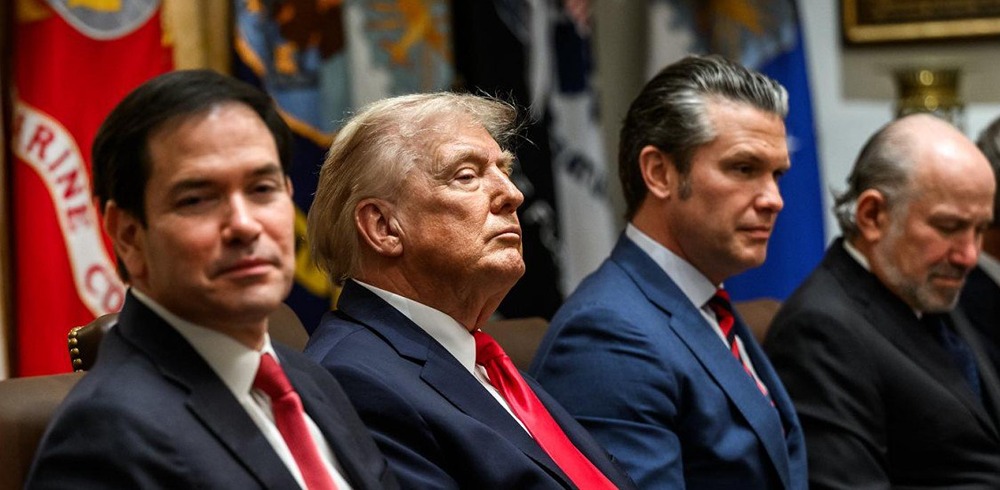
U.S.
President Donald Trump has announced that the United States has already
achieved a “complete victory” in the conflict with Iran, emphasizing that
control over Iran’s oil infrastructure remains one of the potential steps in
Washington’s future strategy. These statements come amid ongoing intense
military operations, which, according to experts, have evolved from a
conventional confrontation into a complex geopolitical crisis with far-reaching
economic and diplomatic consequences.
The military actions began in late February 2026 following
a series of joint U.S. and Israeli strikes on targets in Iran, including the
key oil export hub — Kharg Island — which plays a strategic role in Iran’s oil
exports. American airstrikes on these sites inflicted significant damage on
Iran’s military infrastructure, destroying dozens of targets, including air
defense systems and command centers.
In response to the strikes, Tehran intensified missile and
drone attacks against U.S. military bases, targets in the Persian Gulf, allied
states, and civilian infrastructure in several regions. This has already led to
a partial disruption of shipping through the strategic Strait of Hormuz, a
crucial transport artery that carries up to one-fifth of the world’s oil
exports, further fueling volatility in energy markets.
Washington and Tehran, through intermediaries, have drafted
peace agreement proposals containing several ultimatum-style conditions aimed
at halting hostilities. The U.S. plan, consisting of roughly fifteen points,
includes, among other measures, the dismantling of Iran’s missile and nuclear
programs, cessation of aggressive actions, and partial lifting of sanctions.
Iran, in turn, rejected this plan as “maximalist and unacceptable,” presenting
its own demands, including an end to U.S. aggression and terrorist acts,
security guarantees, reparations for damages, and the withdrawal of foreign
troops from the region.
Despite official rhetoric expressing willingness for
dialogue, both leaders demonstrate contradictory dynamics. Iran officially
denies direct negotiations, although diplomatic circles in Pakistan and Egypt
are considering a meeting of representatives on neutral ground to stabilize the
situation. Pakistan has already expressed readiness to act as a mediator,
partly due to serious economic risks for its own economy caused by disruptions
in oil supplies.
Amid the conflict, Washington is reinforcing its military
presence in the region, including the possible deployment of additional air and
naval forces. Analysts suggest that these moves underscore the U.S.’s desire to
maintain strategic advantage but also increase the risk of unpredictable
escalation.
The economic consequences of the war are already being felt
globally: oil prices remain high despite a brief recent decline, with further
fluctuations expected depending on the development of the conflict and supply
levels. Many countries in Asia and Europe are preparing plans to ensure energy
security amid regional instability.
In such a complex environment, the key question for the international community remains unchanged: will diplomacy be able to alter the trajectory of the conflict and bring the parties to an acceptable agreement, or will the confrontation evolve into a long-term strategic rivalry with major geopolitical repercussions? The answer depends not only on military strategy but also on the ability of world leaders to account for economic risks and seek paths to de-escalation through dialogue.
CCBS Expert Group


 Latest news
Latest news
Latest newsBulgaria Asks NATO to Strengthen Its Defences Amid Black Sea Threats: Sofia Fears Growing Risks to Maritime Shipping
16.Oct.2026
Black Sea Shipping Risks Threaten Bulgaria’s 5 Million Tonnes of Wheat Exports
15.Oct.2026
Georgia’s Foreign Funding and Political Ban Laws Draw Criticism from the Venice Commission
15.Oct.2026
Kazakhstan Promotes a Caspian Green Energy Corridor: Astana Seeks New Routes to the European Market
14.Oct.2026
Inflation in Romania Accelerates to 6.61%: Rising Prices Increase Pressure on Households and the Economy
13.Oct.2026
Can Europe Protect the International Criminal Court from Trump’s Sanctions?
13.Oct.2026
Georgia’s Constitutional Court Continues Case on Banning Opposition Parties: Political Pluralism at Stake
12.Oct.2026
Azerbaijan and Iran Step Up Security Contacts Amid Hijab Protests
12.Oct.2026
Personnel Shortages Complicate Ukrainian Forces’ Rotation: Ukraine Faces Long-Term Challenges on the Front Line
11.Oct.2026
Trump Eases Sanctions on Russian Fuel After Talks with Putin: Kyiv Fears Boost to Moscow’s War Revenues
10.Oct.2026
Putin Seeks to Strengthen Russia’s Influence in the Post-Soviet Space Through the CIS
10.Oct.2026
Russia and the South Caucasus: External Pressure, Political Competition and a Crisis of Trust
10.Oct.2026
Peaceful Settlement Between Armenia and Azerbaijan: Moving from Declarations to Implementation
10.Oct.2026
Moldova Ready to Accept as Many Ukrainians as Necessary if Situation Worsens This Winter
09.Oct.2026
Turkmenistan Turns Avaza into a Regional Diplomatic Hub as Caspian, Central Asian and CIS Agendas Converge
08.Oct.2026