
 17 Oct 2026









Turkiye amid the Iran Crisis: Rising Risks and Limited Room for Maneuver
Amid
the escalation of the conflict around Iran,
the position of Turkiye appears less
stable than official statements suggest. Despite Ankara’s attempts to present
itself as a stabilizing actor, its geographic proximity to potential zones of
escalation objectively turns the country into a vulnerable link in regional
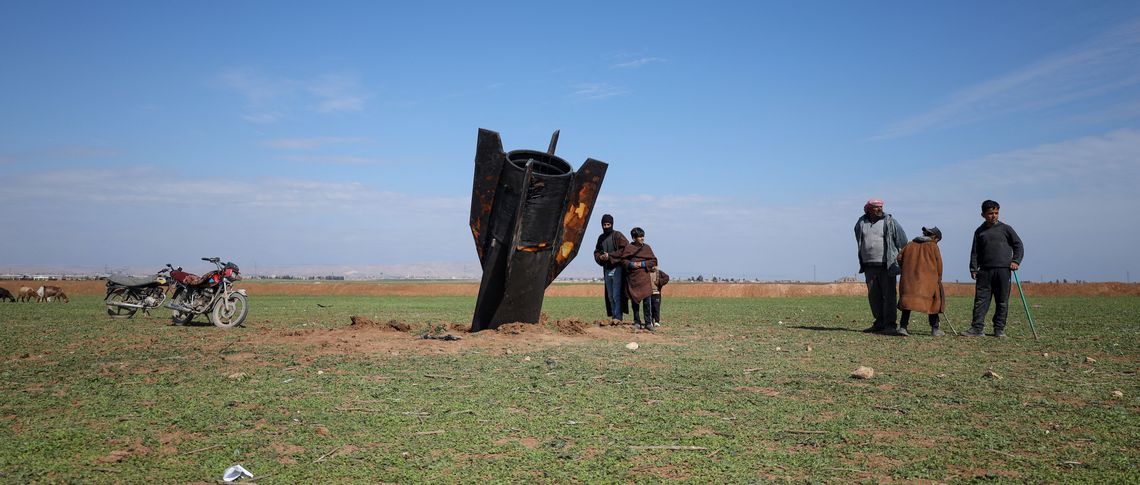
security. Missile incidents and the increase in military activity near its
borders demonstrate that even indirect involvement in the conflict is already
becoming a source of pressure on Turkiye’s security system.
The rhetoric of Foreign Minister Hakan Fidan about the need for de-escalation
reflects the limitations of Ankara’s tools rather than a proactive strategic
initiative. Turkiye finds itself caught between its allied obligations within
NATO and the need to maintain working relations with Tehran. This duality
narrows the space for independent policymaking and makes the country
increasingly dependent on decisions made by larger actors, including the United
States and regional powers.
The situation surrounding the Incirlik Air Base has also exposed
vulnerabilities in the information domain. Even refuted reports of a threat can
spread rapidly and undermine confidence in domestic stability. In a highly
turbulent environment, information risks become an independent source of
pressure, affecting both internal confidence and the external perception of
Turkiye as a safe and stable environment.
 Incirlik
Air Base in Turkiye
Incirlik
Air Base in Turkiye
The most tangible consequences of the crisis are visible in
the economy, particularly in the tourism sector. While authorities continue to
emphasize the safety of resort areas, the very need for such messaging
indicates underlying doubts among external audiences. The sharp decline in
hotel occupancy in eastern regions shows that the market reacts not to official
rhetoric but to risk perception. Moreover, the negative impact could gradually
spread to more popular tourist destinations if tensions persist.
An additional challenge is the rise in travel costs, even
if moderate. In a context of geopolitical instability, even a slight increase
in prices may reduce Turkiye’s competitiveness compared to alternative
destinations. This is especially critical given that tourism remains one of the
country’s key sources of foreign currency revenue. A decline in tourist flows
combined with rising costs creates risks of pressure on the balance of payments
and increases macroeconomic vulnerability.
In a broader context, the current situation highlights the structural constraints of Turkiye’s foreign policy. Its ambition to simultaneously act as a mediator, a Western ally, and an independent regional power is colliding with a reality in which Turkiye is increasingly becoming an object rather than a subject of geopolitical processes. If the crisis around Iran persists or intensifies, Ankara may face not only short-term economic losses but also a long-term weakening of its regional position.
CCBS Expert Group


 Latest news
Latest news
Latest newsBulgaria Asks NATO to Strengthen Its Defences Amid Black Sea Threats: Sofia Fears Growing Risks to Maritime Shipping
16.Oct.2026
Black Sea Shipping Risks Threaten Bulgaria’s 5 Million Tonnes of Wheat Exports
15.Oct.2026
Georgia’s Foreign Funding and Political Ban Laws Draw Criticism from the Venice Commission
15.Oct.2026
Kazakhstan Promotes a Caspian Green Energy Corridor: Astana Seeks New Routes to the European Market
14.Oct.2026
Inflation in Romania Accelerates to 6.61%: Rising Prices Increase Pressure on Households and the Economy
13.Oct.2026
Can Europe Protect the International Criminal Court from Trump’s Sanctions?
13.Oct.2026
Georgia’s Constitutional Court Continues Case on Banning Opposition Parties: Political Pluralism at Stake
12.Oct.2026
Azerbaijan and Iran Step Up Security Contacts Amid Hijab Protests
12.Oct.2026
Personnel Shortages Complicate Ukrainian Forces’ Rotation: Ukraine Faces Long-Term Challenges on the Front Line
11.Oct.2026
Trump Eases Sanctions on Russian Fuel After Talks with Putin: Kyiv Fears Boost to Moscow’s War Revenues
10.Oct.2026
Putin Seeks to Strengthen Russia’s Influence in the Post-Soviet Space Through the CIS
10.Oct.2026
Russia and the South Caucasus: External Pressure, Political Competition and a Crisis of Trust
10.Oct.2026
Peaceful Settlement Between Armenia and Azerbaijan: Moving from Declarations to Implementation
10.Oct.2026
Moldova Ready to Accept as Many Ukrainians as Necessary if Situation Worsens This Winter
09.Oct.2026
Turkmenistan Turns Avaza into a Regional Diplomatic Hub as Caspian, Central Asian and CIS Agendas Converge
08.Oct.2026