
 17 Oct 2026









- Romania is gradually transforming into one of NATO’s key
military-strategic hubs on the Alliance’s eastern flank. In recent years, the
United States has invested significant resources in modernizing the
infrastructure of Mihail Kogălniceanu Air Base, including the construction of
new runways, storage facilities, logistics centers, and accommodation for
military personnel. According to U.S. plans, the site could eventually become
one of the largest American military bases in Europe, capable of hosting
thousands of troops and large aviation formations.
- The intensification of
cooperation between Bucharest and Washington also reflects the broader
transformation of the security architecture in the Black Sea region following
the war between Russia and Ukraine. Amid ongoing instability, NATO has sought to strengthen
its presence along the Alliance’s eastern borders by establishing additional
strategic footholds in countries geographically closest to potential crisis
zones.
- At the same time, the
deployment of American forces has a broader geopolitical dimension. The use of
Romanian infrastructure significantly reduces the time required to move
military resources between Europe and the Middle East, making the country an
important element of U.S. strategic logistics. In the event of a potential
escalation involving Iran, this could enable Washington to respond more rapidly
to crisis scenarios, including the protection of allies and the safeguarding of
key transport and energy routes.
Romania Approves Deployment of US Forces at Black Sea Air Base
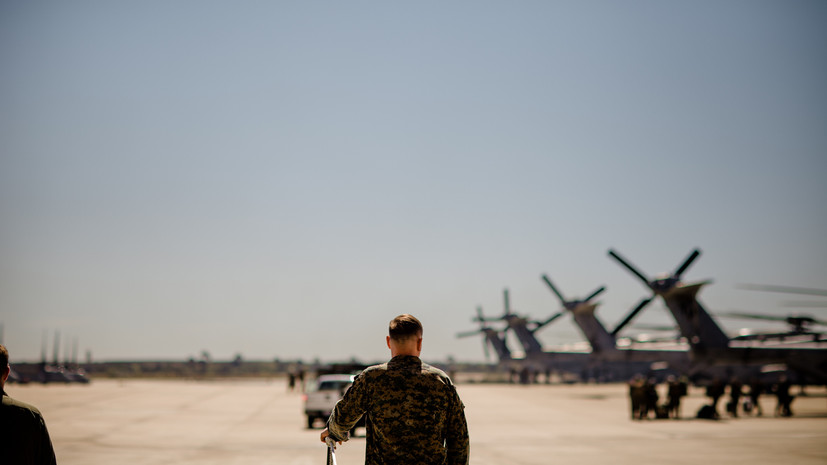
Romania has approved the deployment of an additional
American military contingent on its territory amid escalating tensions in the
Middle East and growing confrontation around Iran. The decision was adopted by
the Romanian Parliament and supported by the Supreme Council of National
Defence of Romania,
the body responsible for coordinating key issues of national security and
defense policy.
The decision concerns the
temporary deployment of U.S. military personnel, aviation assets, and
supporting infrastructure that could be used to facilitate operations by the United States and its allies in the Middle
East. The main site under consideration is the Mihail Kogălniceanu Air Base, located near the city of Constanța on the Black Sea coast. For
several years, the base has served as one of the key logistical hubs of NATO on the Alliance’s
southeastern flank and has been actively used for the transfer of troops,
equipment, and supplies between Europe and operational theaters beyond the
continent.
According to Romanian
authorities, the facility may receive additional transport and support
aircraft, communication systems, as well as technical and maintenance
personnel. Such measures fit into Washington’s broader strategy to strengthen
its military presence in the Black Sea region and to build a resilient network
of forward operating bases capable of enabling rapid power projection to the
Middle East, the Eastern Mediterranean, and neighboring regions.
From an analytical
perspective, this decision reflects several parallel trends:

However, the move also carries
certain risks for Bucharest. On the one hand, deeper military cooperation with
the United States strengthens Romania’s position within NATO and enhances its
strategic importance within the system of collective security. On the other
hand, the transformation of the country into a major military hub inevitably
makes it a more visible element of the geopolitical landscape and potentially a
target in the event of an expansion of regional conflicts.
Thus, the decision to host an additional U.S. military contingent goes far beyond a purely technical military step. It reflects the gradual formation of a new security architecture in the Black Sea region, in which Romania seeks to consolidate its role as one of Washington’s key strategic partners and an important NATO foothold at the intersection of Europe, the Middle East, and the post-Soviet space.


 Latest news
Latest news
Latest newsBulgaria Asks NATO to Strengthen Its Defences Amid Black Sea Threats: Sofia Fears Growing Risks to Maritime Shipping
16.Oct.2026
Black Sea Shipping Risks Threaten Bulgaria’s 5 Million Tonnes of Wheat Exports
15.Oct.2026
Georgia’s Foreign Funding and Political Ban Laws Draw Criticism from the Venice Commission
15.Oct.2026
Kazakhstan Promotes a Caspian Green Energy Corridor: Astana Seeks New Routes to the European Market
14.Oct.2026
Inflation in Romania Accelerates to 6.61%: Rising Prices Increase Pressure on Households and the Economy
13.Oct.2026
Can Europe Protect the International Criminal Court from Trump’s Sanctions?
13.Oct.2026
Georgia’s Constitutional Court Continues Case on Banning Opposition Parties: Political Pluralism at Stake
12.Oct.2026
Azerbaijan and Iran Step Up Security Contacts Amid Hijab Protests
12.Oct.2026
Personnel Shortages Complicate Ukrainian Forces’ Rotation: Ukraine Faces Long-Term Challenges on the Front Line
11.Oct.2026
Trump Eases Sanctions on Russian Fuel After Talks with Putin: Kyiv Fears Boost to Moscow’s War Revenues
10.Oct.2026
Putin Seeks to Strengthen Russia’s Influence in the Post-Soviet Space Through the CIS
10.Oct.2026
Russia and the South Caucasus: External Pressure, Political Competition and a Crisis of Trust
10.Oct.2026
Peaceful Settlement Between Armenia and Azerbaijan: Moving from Declarations to Implementation
10.Oct.2026
Moldova Ready to Accept as Many Ukrainians as Necessary if Situation Worsens This Winter
09.Oct.2026
Turkmenistan Turns Avaza into a Regional Diplomatic Hub as Caspian, Central Asian and CIS Agendas Converge
08.Oct.2026