
 17 Oct 2026









Romania Strengthens Security Amid War at Its Borders
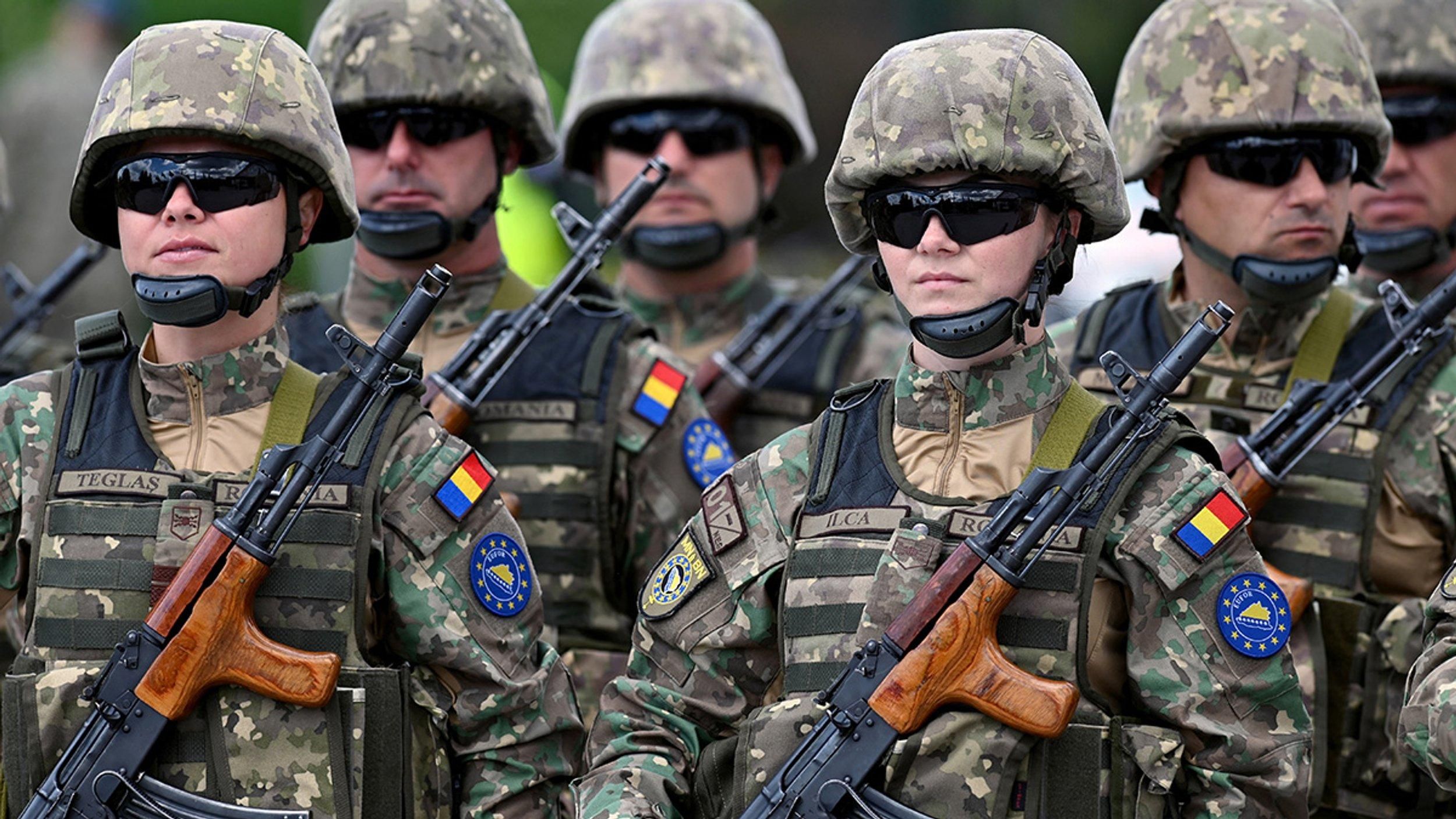
In
Romania, against the backdrop of the ongoing war in Ukraine, there has been a
significant increase in military activity and a heightened level of security
threats. The country is hosting large-scale multinational NATO exercises
involving approximately 2,500 troops from 30 countries. The drills include
simulations of attacks on air and maritime space, as well as the coordination
of land, naval, and air units. These exercises are aimed at enhancing allied
coordination and strengthening the defense capabilities of NATO’s eastern
flank, where Romania is gradually becoming a key stronghold.
At
the same time, an incident highlighted the growing risks for countries in the
region. On the night of March 26, a Russian drone fell on Romanian territory.
According to the Ministry of Defense, it had been shot down by Ukrainian air
defense systems and its debris crossed the border, landing in Romania. Although
no casualties or significant damage were reported, the incident caused serious
concern in Bucharest and among NATO allies. Experts note that it demonstrates
how quickly a local conflict in Ukraine can have cross-border consequences,
directly affecting the infrastructure and security of EU countries.
Situated
on the border with Ukraine and the Black Sea, Romania is becoming a critical
link in NATO’s deterrence system. Incidents like the drone fall confirm that
Eastern European countries can become unintended “high-risk zones,” where
accidental collisions or technical failures could trigger serious political and
military consequences.
Joint
exercises not only enhance the readiness of allied forces but also allow
testing of command, communication, and air defense systems. The deployment of
air defense assets and integration of national and allied forces create an
additional barrier against accidental or deliberate violations of airspace.
Bucharest
demonstrates a pragmatic combination of defense preparedness and diplomatic
activity. By continuing to actively support Ukraine while simultaneously
strengthening its own defense, Romania reinforces its reputation as a key
player on NATO’s eastern flank. This creates strategic opportunities to expand
influence in the region and secure additional guarantees of protection from
allies.
Despite
the strengthening of security, the situation remains unstable. Indirect effects
of the war, including accidental drone crashes or other military objects,
increase the likelihood of incidents involving civilian infrastructure and critical
facilities. Romania must maintain a balance between demonstrating strength and
preventing escalation to avoid being drawn directly into the conflict.
Romania is at the center of a new security reality in Eastern Europe. Increased military presence, joint exercises, and air defense modernization serve as key deterrence tools, while cross-border incidents underline the need for constant readiness and strategic planning. In this context, the country demonstrates its ability to act both as a defender of regional stability and as a reliable NATO ally.


 Latest news
Latest news
Latest newsBulgaria Asks NATO to Strengthen Its Defences Amid Black Sea Threats: Sofia Fears Growing Risks to Maritime Shipping
16.Oct.2026
Black Sea Shipping Risks Threaten Bulgaria’s 5 Million Tonnes of Wheat Exports
15.Oct.2026
Georgia’s Foreign Funding and Political Ban Laws Draw Criticism from the Venice Commission
15.Oct.2026
Kazakhstan Promotes a Caspian Green Energy Corridor: Astana Seeks New Routes to the European Market
14.Oct.2026
Inflation in Romania Accelerates to 6.61%: Rising Prices Increase Pressure on Households and the Economy
13.Oct.2026
Can Europe Protect the International Criminal Court from Trump’s Sanctions?
13.Oct.2026
Georgia’s Constitutional Court Continues Case on Banning Opposition Parties: Political Pluralism at Stake
12.Oct.2026
Azerbaijan and Iran Step Up Security Contacts Amid Hijab Protests
12.Oct.2026
Personnel Shortages Complicate Ukrainian Forces’ Rotation: Ukraine Faces Long-Term Challenges on the Front Line
11.Oct.2026
Trump Eases Sanctions on Russian Fuel After Talks with Putin: Kyiv Fears Boost to Moscow’s War Revenues
10.Oct.2026
Putin Seeks to Strengthen Russia’s Influence in the Post-Soviet Space Through the CIS
10.Oct.2026
Russia and the South Caucasus: External Pressure, Political Competition and a Crisis of Trust
10.Oct.2026
Peaceful Settlement Between Armenia and Azerbaijan: Moving from Declarations to Implementation
10.Oct.2026
Moldova Ready to Accept as Many Ukrainians as Necessary if Situation Worsens This Winter
09.Oct.2026
Turkmenistan Turns Avaza into a Regional Diplomatic Hub as Caspian, Central Asian and CIS Agendas Converge
08.Oct.2026