
 15 Sep 2026









Armenia Energy Diversification: Testing the Limits of Dependence on Russian Gas
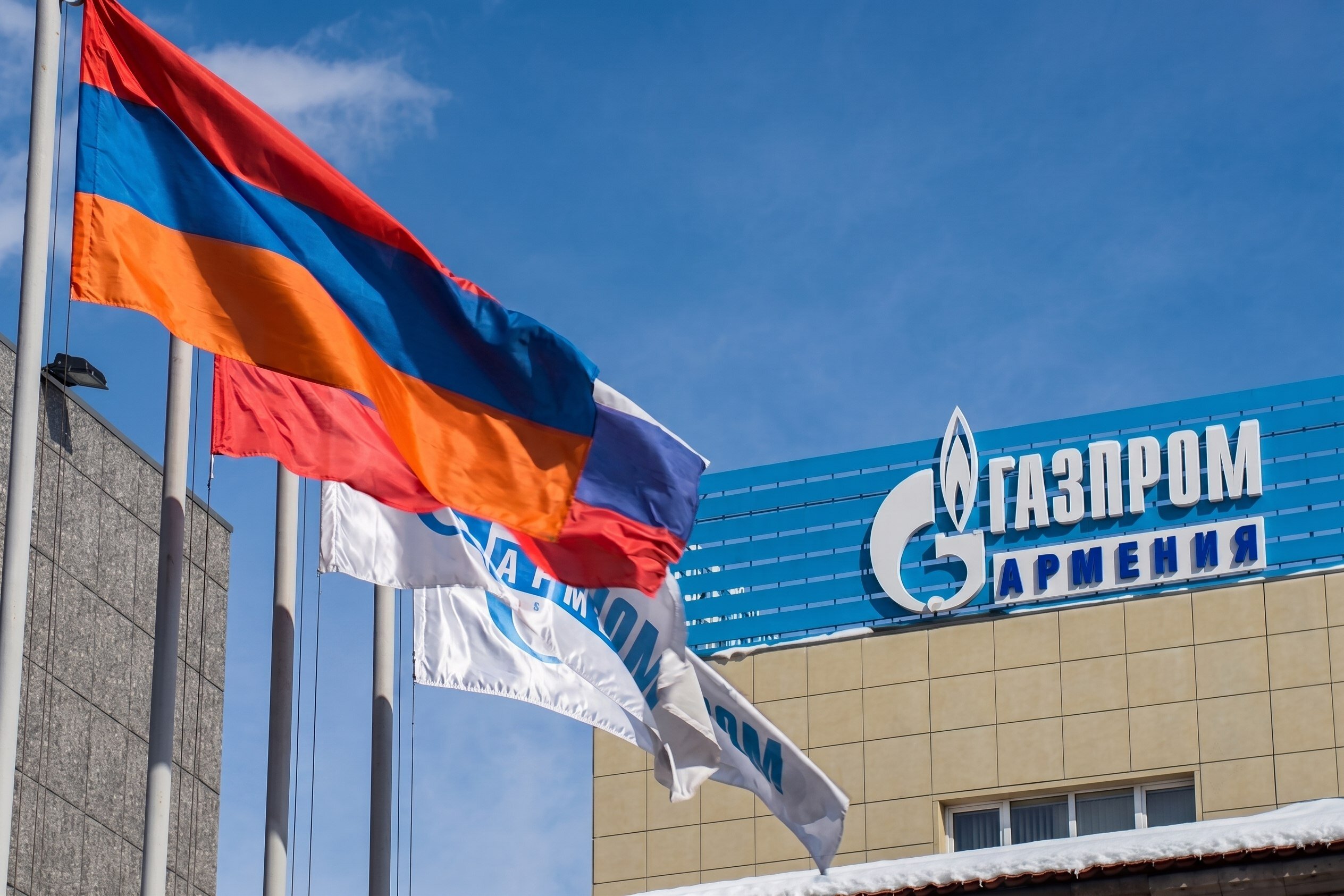
Russian natural gas supplies
to Armenia were temporarily suspended on September 15 due to scheduled
maintenance work on a section of the main gas pipeline in Russia. The work is
expected to continue until September 25.
The suspension was announced
by Gazprom Armenia. The interruption involves a ten-day halt in the
transportation of gas through the North Caucasus–Transcaucasia pipeline, which
supplies Russian gas to Armenia via Georgia.
During the maintenance period,
Armenia plans to meet domestic demand using available natural gas reserves and
by increasing gas imports from Iran. No disruptions in supplies to consumers
are expected.
Despite the Armenian
government’s policy of diversifying energy supplies, Russian gas continues to
dominate the country’s import structure. Last year, approximately 82% of
Armenia’s imported natural gas came from Russia.
Therefore, even a temporary
interruption in supplies is significant for Armenia’s energy system,
particularly given that natural gas is used not only by households and industry
but also in electricity generation.
Against this backdrop, the
availability of domestic reserves and the possibility of increasing imports
from Iran allow Yerevan to mitigate the immediate impact of the temporary
suspension of Russian supplies.
Armenia already receives
Iranian gas under the existing “gas-for-electricity” arrangement. The ten-day
suspension of Russian supplies therefore increases the practical importance of
the Iranian direction for the country’s energy security.
At the same time, Armenia’s
ability to rapidly increase gas imports from Iran is constrained by existing
infrastructure. Earlier, Armenian Minister of Territorial Administration and
Infrastructure David Khudatyan stated that infrastructure capacity is one of
the main obstacles to significantly increasing imports of Iranian gas.
Iranian gas is used in
Armenia, among other purposes, to generate electricity, which is subsequently
exported to Iran. Therefore, expanding this mechanism depends not only on the
availability of gas but also on the capacity of the energy infrastructure of
both countries.
The temporary suspension of
Russian supplies comes amid statements by Armenian Prime Minister Nikol Pashinyan
on the need for further diversification of the gas market. On September 11,
Pashinyan said that the government intends to seek opportunities to obtain gas
from a second and third source, regardless of potential changes in gas prices.
According to Pashinyan, Yerevan views diversification as part of a broader
policy aimed at strengthening Armenia’s independence and statehood.
The prime minister has also
linked the prospects for diversification to regional infrastructure projects.
In particular, he has suggested the possibility of constructing a gas pipeline
through Armenia as part of the TRIPP – Trump Route for
International Peace and Prosperity project, which, according to
Pashinyan, could potentially generate transit revenues for Armenia.
The temporary suspension of
supplies does not in itself indicate a political conflict between Moscow and
Yerevan, as the stated reason for the interruption is scheduled maintenance
work on the Russian section of the gas transportation system. However, the
situation highlights Armenia’s continued dependence on the Russian energy
sector. Moscow also retains a key role in Armenia’s gas market through Gazprom
Armenia, while Russian gas remains the country’s primary imported energy
resource.
If the maintenance work is
completed as scheduled, Russian gas supplies are expected to resume after
September 25. Over the next ten days, the key challenge for Armenia’s energy
system will be to maintain stable supplies to consumers through the use of
domestic reserves and additional imports from Iran.
In the longer term, the
situation once again underscores Yerevan’s need to develop several independent
sources of gas supply. The ten-day suspension of Russian gas deliveries is
unlikely to trigger a gas crisis in Armenia, but it carries a broader strategic
significance: Yerevan is seeking to gradually reduce its dependence on its
dominant supplier and build a more diversified energy system.


 Latest news
Latest news
Latest newsArmenia Energy Diversification: Testing the Limits of Dependence on Russian Gas
15.Sep.2026
Tbilisi Distances Itself from Brussels as Kobakhidze Intensifies Criticism of European Policy
14.Sep.2026
Russia Fuel Crisis Gives the US a New Diplomatic Leverage Tool
14.Sep.2026
Trump Calls on Zelenskyy to Stop Strikes on Russian Oil Infrastructure
13.Sep.2026
Ukraine Expands Pressure on Russia’s Shadow Fleet: Moscow’s Oil Logistics Under Threat
13.Sep.2026
The Riga Conference: Europe Prepares for Long-Term Confrontation with Russia and Reshapes Its Security Architecture
12.Sep.2026
A “Sanctions-Resilient” Route: Modernizing Logistics in Dagestan to Strengthen the North–South Corridor
11.Sep.2026
Black Sea Shield: How the War in Ukraine Forced Romania to Rewrite Its Defense Strategy
11.Sep.2026
Moldova Accelerates EU Integration: Brussels Forced to Increase Resources
10.Sep.2026
Russia Intensifies Strikes on Ukraine After US Talks with Moscow and Kyiv
09.Sep.2026
Georgia Accelerates Middle Corridor Development: Tbilisi Bets on Transit between Asia and Europe
08.Sep.2026
Russia is Losing its Oil Buffer: The War is Beginning to Reshape the Country’s Energy Model
08.Sep.2026
Washington Opens a New Front of Pressure on Ankara: Sanctions on Turkish Bank Test the Limits of US-Turkiye Relations
07.Sep.2026
Iran is losing its main Trump Card: Hormuz is no longer an absolute lever of pressure on the Global Economy
06.Sep.2026
The China Factor in Georgia: Tbilisi Builds a New Geopolitical Pillar
06.Sep.2026