
 15 Sep 2026









Europe is not Ready for a War of Attrition with Russia: European Military Officials Warn
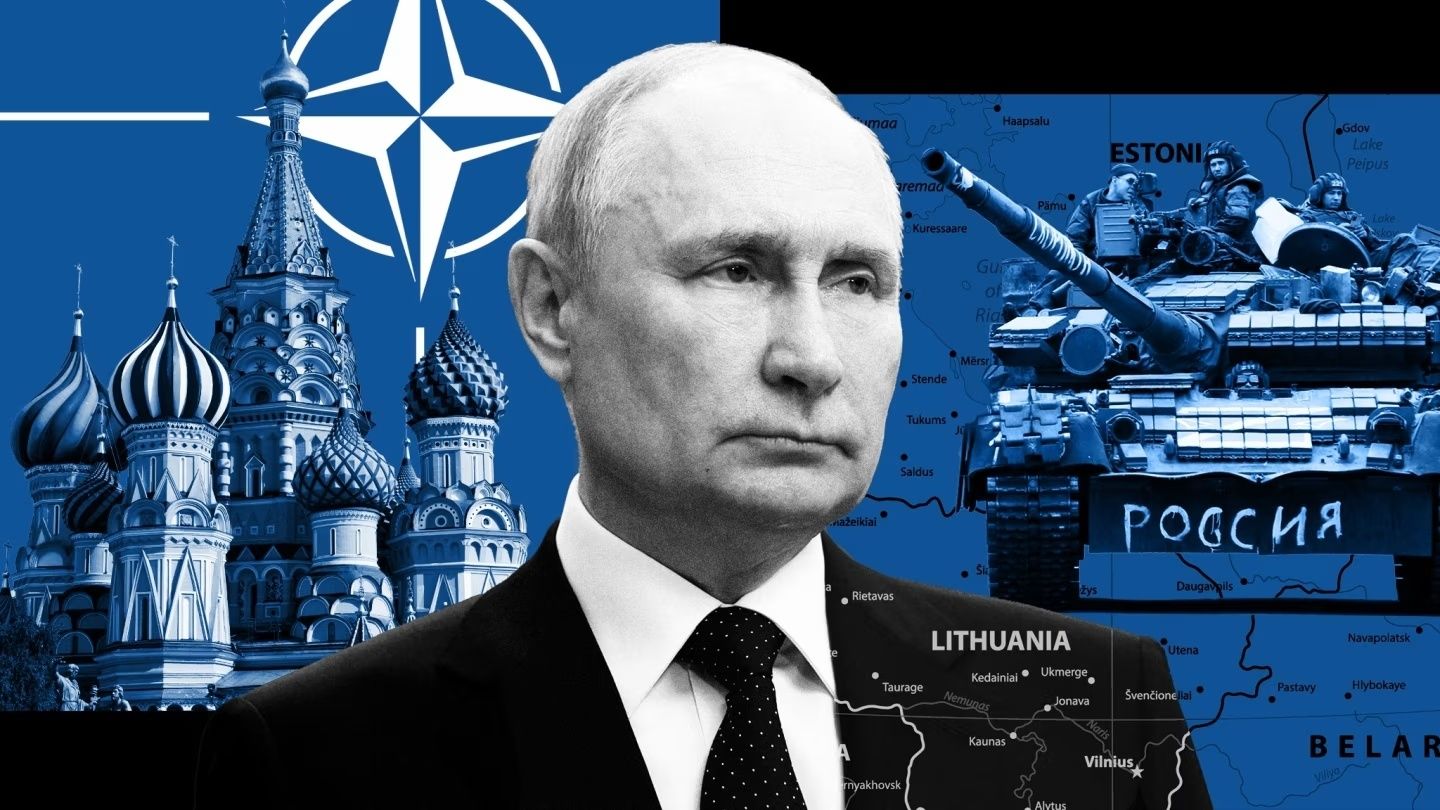
European defence planners and NATO officials warn that Europe still lacks the military, industrial and political resilience required to sustain a prolonged war of attrition with Russia. Against the backdrop of the ongoing war in Ukraine and the possibility of a reduced US military presence in Europe, European states are being forced to accelerate their rearmament efforts. However, a significant gap remains between their stated ambitions and their actual capabilities.
According to The Guardian, European officials involved in defence planning with NATO consider one of the main challenges to be not only shortages of weapons and production capacity, but also the lack of public readiness for a prolonged military confrontation.
CCBS has found that European countries have significantly increased their defence spending in recent years. Between 2020 and 2025, combined defence expenditure by EU member states increased by approximately 79%. However, higher spending has not yet translated into a fully developed ability to sustain a prolonged large-scale war.
The Main Challenge: A War of Attrition
The war in Ukraine has demonstrated that modern warfare depends not only on precision systems and advanced technologies, but also on the ability of the defence industry to continuously produce ammunition, missiles, drones, air-defence systems and spare parts.
A war of attrition requires substantial mobilisation resources and an industrial base capable of compensating for the constant consumption of military equipment and ammunition. This is precisely where European countries continue to face serious limitations.
Another challenge is the fragmented nature of Europe's defence industry. Despite increased spending, countries often make procurement decisions independently, resulting in duplicated programmes, interoperability problems and insufficient coordination. European audit assessments have also raised doubts about the EU's ability to achieve the required level of defence readiness by 2030.
Europe Fears a Reduced US Role
The situation is becoming even more complicated amid growing debate over the future of the US military presence in Europe.
For decades, European security has relied heavily on American capabilities in intelligence, satellite communications, missile defence, strategic air power, logistics and precision-guided weapons.
If Washington were to reduce some of its commitments, European countries would have to fill the resulting strategic gaps themselves.
Experts note that European armed forces have significant potential to strengthen their capabilities, but doing so will require not only higher defence spending, but also faster weapons production, larger ammunition stockpiles and the development of joint European defence programmes.
Russia Increases Pressure on Europe
European officials are also increasingly concerned about the expansion of what is commonly described as hybrid warfare.
This includes cyberattacks, disinformation campaigns, sabotage, interference in political processes and other activities designed to put pressure on European states without crossing the threshold of direct military confrontation.
European governments are increasingly viewing such activities as part of a broader Russian strategy aimed at exerting pressure on Western countries. In Germany, in particular, Russian actors have been accused of involvement in an attempted drone attack, while European governments are discussing additional measures to counter Russian influence.
The Political Challenge Could Be Just as Serious
However, European defence planners argue that simply increasing weapons production will not be enough. Sustaining a prolonged war requires public support for higher defence spending, increased military budgets and potentially greater demands on national armed forces.
This is where Europe faces significant political constraints. The growing popularity of populist and Eurosceptic movements in several countries could complicate further European defence integration and make it more difficult to approve costly long-term security measures.
Europe Is Trying to Catch Up
The EU has already launched an ambitious programme aimed at strengthening European defence readiness. The Readiness 2030 plan provides financial and legal mechanisms intended to enable European countries to substantially increase defence investment. The European Commission estimates that the plan could mobilise up to €800 billion in additional defence spending by 2030.
However, European officials effectively acknowledge that money alone will not solve the problem. Expanding production lines, training personnel, building weapons and ammunition stockpiles, and establishing a more integrated European defence planning system will all take time.
What This Means for Europe
The warning from European military officials carries major strategic implications.
If Europe were to face a large-scale military crisis without full American support, the main test would not be whether individual countries could conduct several high-tech military operations. The real challenge would be whether Europe could sustain the required level of military intensity for months or even years.
The war in Ukraine has already demonstrated that modern conflict can become a competition involving industrial production, human resources, intelligence capabilities and financial resilience.
Therefore, Europe's main challenge today is not simply to maintain modern armed forces, but to build a defence system capable of withstanding prolonged confrontation.
In effect, Europe is attempting to move from a peacetime model based on relatively small professional armies towards a system designed for long-term military readiness. However, judging by the warnings from European defence officials, this transition is still lagging significantly behind the pace at which the strategic environment is changing.


 Latest news
Latest news
Latest newsArmenia Energy Diversification: Testing the Limits of Dependence on Russian Gas
15.Sep.2026
Tbilisi Distances Itself from Brussels as Kobakhidze Intensifies Criticism of European Policy
14.Sep.2026
Russia Fuel Crisis Gives the US a New Diplomatic Leverage Tool
14.Sep.2026
Trump Calls on Zelenskyy to Stop Strikes on Russian Oil Infrastructure
13.Sep.2026
Ukraine Expands Pressure on Russia’s Shadow Fleet: Moscow’s Oil Logistics Under Threat
13.Sep.2026
The Riga Conference: Europe Prepares for Long-Term Confrontation with Russia and Reshapes Its Security Architecture
12.Sep.2026
A “Sanctions-Resilient” Route: Modernizing Logistics in Dagestan to Strengthen the North–South Corridor
11.Sep.2026
Black Sea Shield: How the War in Ukraine Forced Romania to Rewrite Its Defense Strategy
11.Sep.2026
Moldova Accelerates EU Integration: Brussels Forced to Increase Resources
10.Sep.2026
Russia Intensifies Strikes on Ukraine After US Talks with Moscow and Kyiv
09.Sep.2026
Georgia Accelerates Middle Corridor Development: Tbilisi Bets on Transit between Asia and Europe
08.Sep.2026
Russia is Losing its Oil Buffer: The War is Beginning to Reshape the Country’s Energy Model
08.Sep.2026
Washington Opens a New Front of Pressure on Ankara: Sanctions on Turkish Bank Test the Limits of US-Turkiye Relations
07.Sep.2026
Iran is losing its main Trump Card: Hormuz is no longer an absolute lever of pressure on the Global Economy
06.Sep.2026
The China Factor in Georgia: Tbilisi Builds a New Geopolitical Pillar
06.Sep.2026