
 17 Oct 2026









Urban and Mountain Tourism Drive Growth in Bulgaria
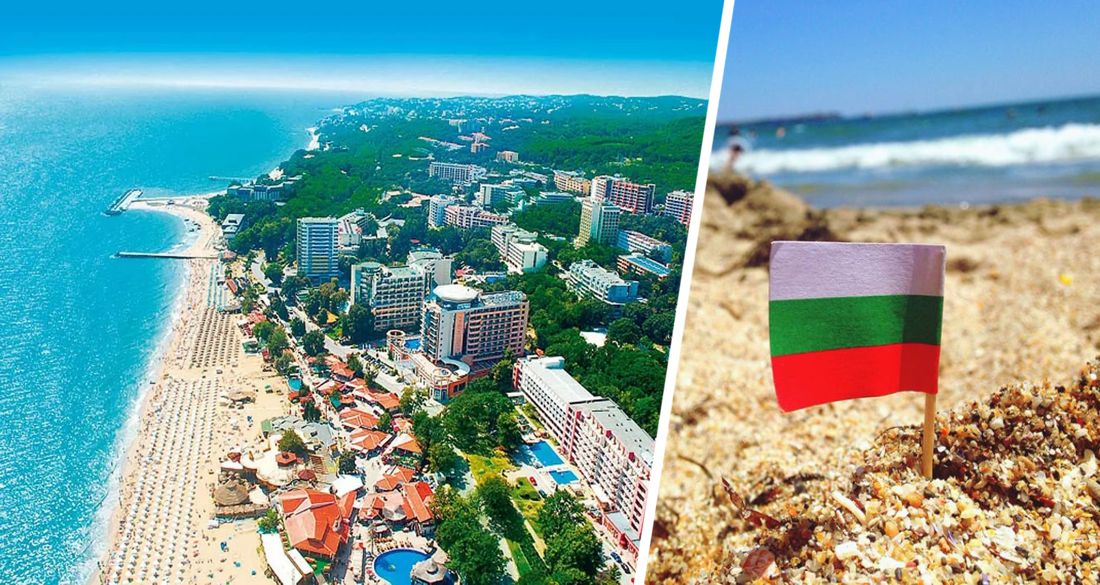
Bulgaria's tourism industry continues to post steady growth during the 2026 summer season, with urban, cultural, and domestic tourism emerging as the primary drivers of demand. At the same time, the country's Black Sea resorts have yet to fully recover to their pre-pandemic 2019 performance, according to industry analysts.
 Cape Kaliakra – 12 km east of the town of Kavarna, 60 km northeast of Varna
Experts say growing interest in destinations such as Sofia, Plovdiv, Veliko Tarnovo, and Bulgaria's mountain regions reflects changing travel preferences. An increasing number of visitors are opting for short city breaks, cultural experiences, festivals, and outdoor activities, boosting hotel occupancy beyond the country's traditional beach destinations.
 Tsarevets Fortress – located in the city of Veliko Tarnovo
Meanwhile, Bulgaria's Black Sea resorts continue to face challenges in returning to the record levels recorded in 2019. Although visitor numbers have improved compared with previous seasons, the total number of officially registered overnight stays remains below pre-pandemic figures. Analysts also note that a portion of tourist accommodation is still not captured in official statistics, making it difficult to fully assess the market.
 Ancient City of Nessebar – 37 km north of Burgas
Industry representatives remain optimistic about the second half of the summer season. They believe sustained demand from international travelers, combined with ongoing promotional campaigns, could further strengthen tourism performance in August and September. The Ministry of Tourism also expects this year's summer season to outperform last year's results.
 Rila Monastery – 117 km south of Sofia, in the Rilska River Valley
According to analysts, the current season highlights a longer-term transformation of Bulgaria's tourism sector. Alongside its traditional seaside offerings, the country is increasingly expanding cultural, historical, gastronomic, and nature-based tourism, helping to diversify the industry and reduce its dependence on beach tourism alone.


 Latest news
Latest news
Latest newsBulgaria Asks NATO to Strengthen Its Defences Amid Black Sea Threats: Sofia Fears Growing Risks to Maritime Shipping
16.Oct.2026
Black Sea Shipping Risks Threaten Bulgaria’s 5 Million Tonnes of Wheat Exports
15.Oct.2026
Georgia’s Foreign Funding and Political Ban Laws Draw Criticism from the Venice Commission
15.Oct.2026
Kazakhstan Promotes a Caspian Green Energy Corridor: Astana Seeks New Routes to the European Market
14.Oct.2026
Inflation in Romania Accelerates to 6.61%: Rising Prices Increase Pressure on Households and the Economy
13.Oct.2026
Can Europe Protect the International Criminal Court from Trump’s Sanctions?
13.Oct.2026
Georgia’s Constitutional Court Continues Case on Banning Opposition Parties: Political Pluralism at Stake
12.Oct.2026
Azerbaijan and Iran Step Up Security Contacts Amid Hijab Protests
12.Oct.2026
Personnel Shortages Complicate Ukrainian Forces’ Rotation: Ukraine Faces Long-Term Challenges on the Front Line
11.Oct.2026
Trump Eases Sanctions on Russian Fuel After Talks with Putin: Kyiv Fears Boost to Moscow’s War Revenues
10.Oct.2026
Putin Seeks to Strengthen Russia’s Influence in the Post-Soviet Space Through the CIS
10.Oct.2026
Russia and the South Caucasus: External Pressure, Political Competition and a Crisis of Trust
10.Oct.2026
Peaceful Settlement Between Armenia and Azerbaijan: Moving from Declarations to Implementation
10.Oct.2026
Moldova Ready to Accept as Many Ukrainians as Necessary if Situation Worsens This Winter
09.Oct.2026
Turkmenistan Turns Avaza into a Regional Diplomatic Hub as Caspian, Central Asian and CIS Agendas Converge
08.Oct.2026