
 17 Oct 2026









Russia Begins Using New FPV Drones to Strike Ukraine's Energy Infrastructure
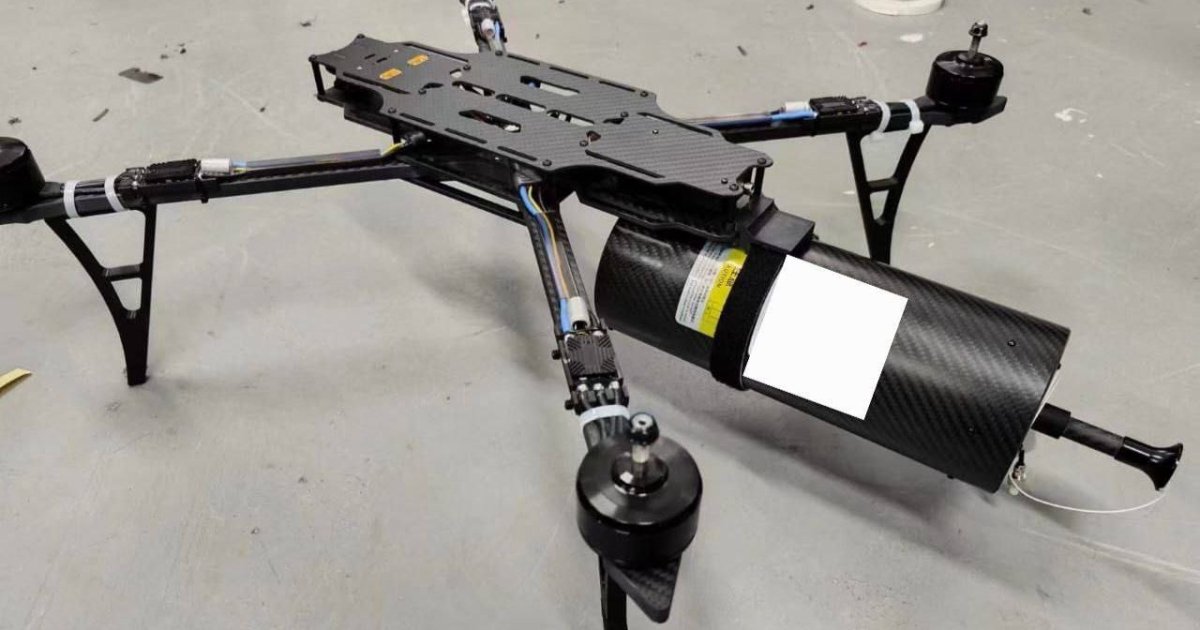
Russian forces have begun employing a new
tactic to attack Ukraine's energy infrastructure by using small fiber-optic FPV
drones that are virtually immune to electronic warfare (EW) systems. These
drones have already been used to strike high-voltage electrical substations in
Ukraine's Sumy region.
The drones are controlled via a thin fiber-optic cable that
unspools during flight. Unlike conventional FPV drones that rely on radio
signals, fiber-optic drones emit no radio frequency, making them highly
resistant to electronic jamming. This enables operators to maintain stable
control even in areas heavily protected by Ukrainian electronic warfare
systems.
The UK-based Centre for Information Resilience (CIR) has confirmed,
through geolocation analysis and video verification, successful strikes on
several 330 kV and 110 kV electrical substations located between 16 and 26
kilometers from the front line. According to analysts, the new tactic is
designed to gradually disable electricity distribution infrastructure supplying
both Ukrainian military units and civilian communities in frontline areas.
The cost of a single fiber-optic FPV drone is estimated at
approximately $2000,
yet it is capable of destroying electrical equipment worth millions of dollars.
This makes such systems among the most cost-effective precision strike weapons
against critical infrastructure. Analysts note that the growing use of
fiber-optic drones significantly reduces the effectiveness of traditional
electronic warfare systems, forcing both sides to develop new defensive measures,
including physical barriers, anti-drone nets, and kinetic interception systems.
The rapid evolution of drone warfare comes amid the
continuing escalation of the air campaign between Russia and Ukraine. At the
same time, Ukraine has expanded the range of its own drone strikes against
Russian energy infrastructure and oil facilities, while Russia continues to
improve technologies designed to penetrate Ukrainian air defense and electronic
warfare systems. Military experts believe that competition in unmanned
technologies has become one of the defining features of modern warfare.
Defense specialists describe the
introduction of fiber-optic FPV drones as one of the most significant
technological developments of the Russia–Ukraine war. The first operational systems
appeared on the battlefield in 2024 as a response to the widespread deployment
of electronic warfare equipment. Since then, both Russia and Ukraine have
accelerated production of fiber-optic drones because they remain effective in
heavily contested electromagnetic environments. However, the technology also
has limitations: operational range is constrained by the length of the
fiber-optic cable — typically 20 to 30 kilometers — while the cable itself can become
entangled or damaged by natural obstacles.
According to military analysts, the attacks are often
carried out in multiple stages. The first drone destroys protective anti-drone
nets or engineering barriers surrounding a target, while a second drone strikes
the most vulnerable components of the substation. In particular, attackers aim
at high-voltage power transformers, each valued at approximately $3.5 million,
which are typically housed inside reinforced concrete protective structures.
Experts note that replacing such equipment can take several months, especially
under wartime conditions.


 Latest news
Latest news
Latest newsBulgaria Asks NATO to Strengthen Its Defences Amid Black Sea Threats: Sofia Fears Growing Risks to Maritime Shipping
16.Oct.2026
Black Sea Shipping Risks Threaten Bulgaria’s 5 Million Tonnes of Wheat Exports
15.Oct.2026
Georgia’s Foreign Funding and Political Ban Laws Draw Criticism from the Venice Commission
15.Oct.2026
Kazakhstan Promotes a Caspian Green Energy Corridor: Astana Seeks New Routes to the European Market
14.Oct.2026
Inflation in Romania Accelerates to 6.61%: Rising Prices Increase Pressure on Households and the Economy
13.Oct.2026
Can Europe Protect the International Criminal Court from Trump’s Sanctions?
13.Oct.2026
Georgia’s Constitutional Court Continues Case on Banning Opposition Parties: Political Pluralism at Stake
12.Oct.2026
Azerbaijan and Iran Step Up Security Contacts Amid Hijab Protests
12.Oct.2026
Personnel Shortages Complicate Ukrainian Forces’ Rotation: Ukraine Faces Long-Term Challenges on the Front Line
11.Oct.2026
Trump Eases Sanctions on Russian Fuel After Talks with Putin: Kyiv Fears Boost to Moscow’s War Revenues
10.Oct.2026
Putin Seeks to Strengthen Russia’s Influence in the Post-Soviet Space Through the CIS
10.Oct.2026
Russia and the South Caucasus: External Pressure, Political Competition and a Crisis of Trust
10.Oct.2026
Peaceful Settlement Between Armenia and Azerbaijan: Moving from Declarations to Implementation
10.Oct.2026
Moldova Ready to Accept as Many Ukrainians as Necessary if Situation Worsens This Winter
09.Oct.2026
Turkmenistan Turns Avaza into a Regional Diplomatic Hub as Caspian, Central Asian and CIS Agendas Converge
08.Oct.2026