
 17 Oct 2026









- The reshuffle reflects an internal struggle between advocates of rapid technological modernization of the Armed Forces and representatives of a more traditional military establishment.
- The public response demonstrates a high level of trust in reform-oriented defense officials and a willingness among citizens to openly criticize government decisions despite the ongoing war.
- Klymenko's appointment to the NSDC suggests Zelensky is seeking to strengthen centralized coordination of Ukraine's security institutions as the country continues to face military and strategic challenges.
Zelensky Reshuffles Security Leadership Amid Protests
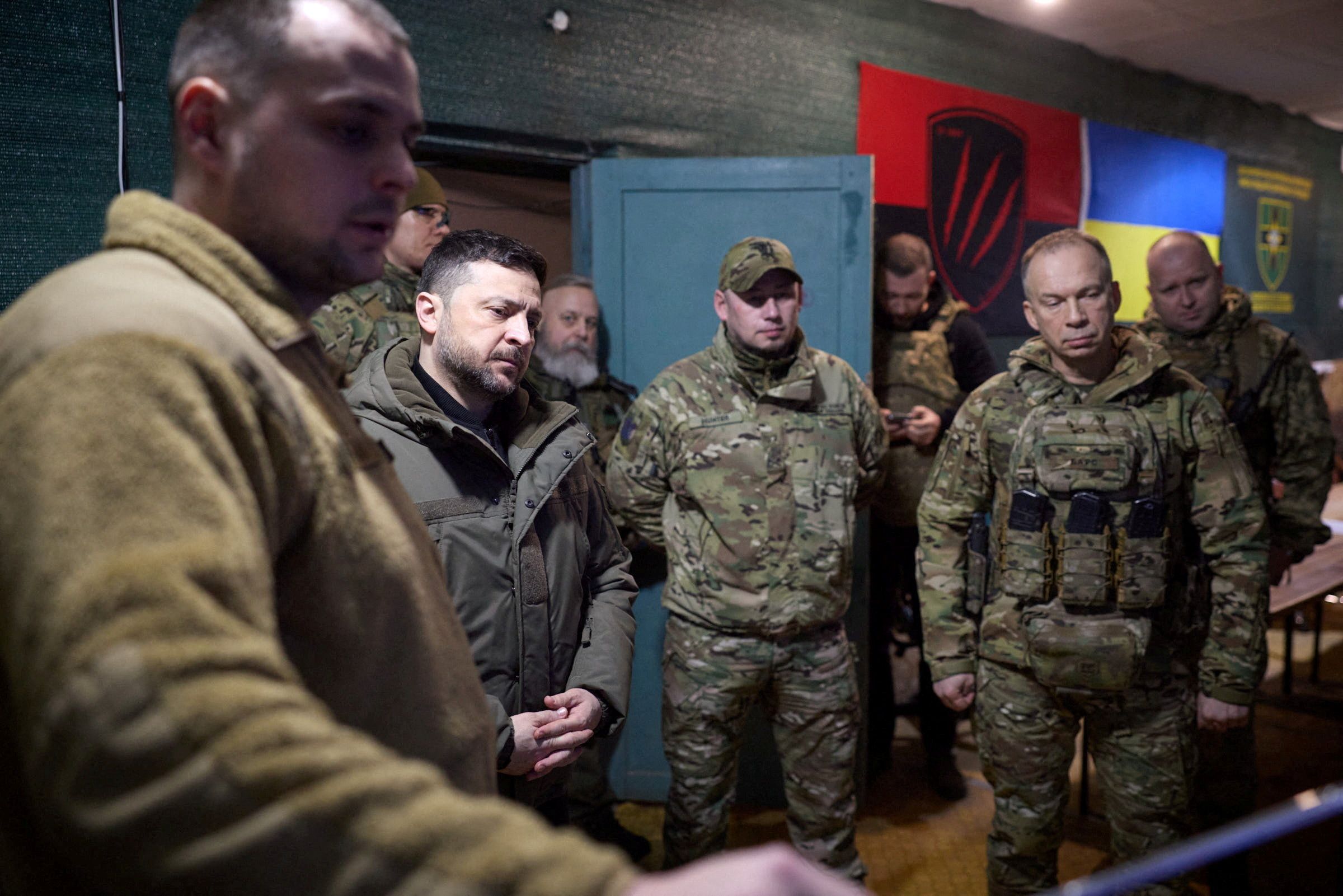
Ukrainian President Volodymyr Zelensky has announced a new round of high-level changes within the country's security establishment, appointing former Interior Minister Ihor Klymenko as Secretary of the National Security and Defense Council (NSDC). The decision comes as protests continue for a second consecutive day in Kyiv and several other cities following the dismissal of Defense Minister Mykhailo Fedorov.
According to Zelensky, Klymenko will receive expanded authority to coordinate all aspects of Ukraine's national security and defense policy. The appointment is part of a broader government reshuffle affecting both the Cabinet and the country's defense leadership.
Public discontent was triggered by the unexpected dismissal of Mykhailo Fedorov, who, despite his relatively short tenure as defense minister, had become one of the country's most popular public officials. Fedorov was widely regarded as the architect of Ukraine's accelerated military modernization. Under his leadership, domestic drone production increased significantly, digital procurement and logistics systems were expanded, and technological modernization programs for the Armed Forces gained momentum. Many military personnel and defense industry representatives credited him with some of the most successful reforms implemented in recent months.
Following the announcement of his dismissal, thousands of demonstrators took to the streets in Kyiv and other Ukrainian cities, demanding an explanation for the decision and calling for Fedorov's reinstatement. Some protesters carried signs reading "Shame" and "Russia is Celebrating".
According to multiple reports, Fedorov's dismissal was preceded by a serious conflict with Commander-in-Chief of the Armed Forces of Ukraine Oleksandr Syrskyi. Fedorov had publicly argued that parts of the military leadership were slowing the adoption of modern technologies, particularly the large-scale deployment of drones and digital command-and-control systems. He also accused certain members of the General Staff of resisting reforms and creating bureaucratic obstacles.
Zelensky himself acknowledged the existence of deep disagreements between Ukraine's political and military leadership, stating that such divisions had become incompatible with effective defense management during wartime.
Alongside Klymenko's appointment as NSDC Secretary, the president nominated General Yevhen Khmara to become the country's next defense minister. Until Parliament formally approves the nomination, he will serve as acting head of the Ministry of Defense.
The personnel changes coincide with a broader government reshuffle and the appointment of Serhii Koretskyi as Ukraine's new prime minister. His priorities include managing the wartime economy and preparing the country's energy infrastructure for the upcoming winter season.
The current political crisis represents one of the most significant domestic challenges facing the Ukrainian government in recent years. While previous demonstrations against presidential decisions were largely associated with reforms affecting anti-corruption institutions, the current protests are the first to focus directly on appointments within the country's military leadership.
Analysts identify several key trends behind the unfolding crisis:
Political observers believe the next phase of the crisis will depend largely on whether the new leadership can maintain the pace of military modernization while easing domestic tensions. Should protests continue to grow, the government could face its most serious crisis of public confidence since the beginning of Russia's full-scale invasion.


 Latest news
Latest news
Latest newsBulgaria Asks NATO to Strengthen Its Defences Amid Black Sea Threats: Sofia Fears Growing Risks to Maritime Shipping
16.Oct.2026
Black Sea Shipping Risks Threaten Bulgaria’s 5 Million Tonnes of Wheat Exports
15.Oct.2026
Georgia’s Foreign Funding and Political Ban Laws Draw Criticism from the Venice Commission
15.Oct.2026
Kazakhstan Promotes a Caspian Green Energy Corridor: Astana Seeks New Routes to the European Market
14.Oct.2026
Inflation in Romania Accelerates to 6.61%: Rising Prices Increase Pressure on Households and the Economy
13.Oct.2026
Can Europe Protect the International Criminal Court from Trump’s Sanctions?
13.Oct.2026
Georgia’s Constitutional Court Continues Case on Banning Opposition Parties: Political Pluralism at Stake
12.Oct.2026
Azerbaijan and Iran Step Up Security Contacts Amid Hijab Protests
12.Oct.2026
Personnel Shortages Complicate Ukrainian Forces’ Rotation: Ukraine Faces Long-Term Challenges on the Front Line
11.Oct.2026
Trump Eases Sanctions on Russian Fuel After Talks with Putin: Kyiv Fears Boost to Moscow’s War Revenues
10.Oct.2026
Putin Seeks to Strengthen Russia’s Influence in the Post-Soviet Space Through the CIS
10.Oct.2026
Russia and the South Caucasus: External Pressure, Political Competition and a Crisis of Trust
10.Oct.2026
Peaceful Settlement Between Armenia and Azerbaijan: Moving from Declarations to Implementation
10.Oct.2026
Moldova Ready to Accept as Many Ukrainians as Necessary if Situation Worsens This Winter
09.Oct.2026
Turkmenistan Turns Avaza into a Regional Diplomatic Hub as Caspian, Central Asian and CIS Agendas Converge
08.Oct.2026