
 17 Jun 2026









$300 Billion Deal: Iran Poised to Receive the Largest Investment Package in Modern Middle Eastern History
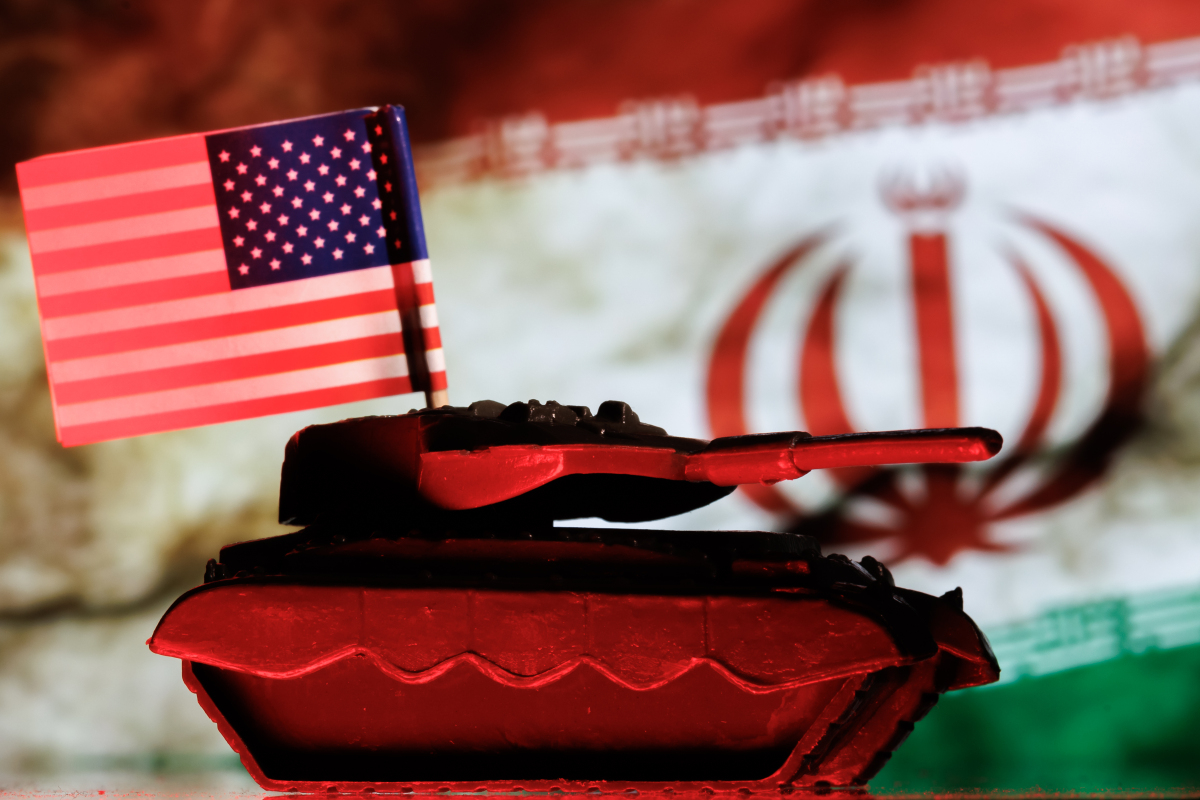
The agreement between the United States and Iran, aimed at formalizing the end of their recent military confrontation and laying the groundwork for further negotiations over Tehran’s nuclear program, includes the creation of a $300 billion investment fund. More than half of that amount has reportedly already been committed by potential investors, making the initiative one of the most ambitious economic packages ever proposed for Iran.
The fund is not intended as direct financial assistance from Washington, nor is it a form of compensation. Instead, it is envisioned as a dedicated investment vehicle designed to attract private capital from the Gulf states, Asia, Africa, South America, and the United States. The funds would be directed toward modernizing Iran’s energy sector, expanding transportation infrastructure, developing industrial capacity and logistics networks, and supporting other strategic sectors of the economy.
In many ways, the economic component has become the centerpiece of the emerging agreement. While relations between Washington and Tehran have long been shaped primarily by sanctions and diplomatic pressure, both sides now appear to be exploring a framework in which stability and compliance with future commitments are rewarded with tangible economic benefits. In exchange for de-escalation, limits on Iran’s nuclear activities, and guarantees for the security of shipping through the Strait of Hormuz, Tehran could gain access to the largest influx of foreign investment it has seen in decades.
According to available information, a significant share of the funding could come from sovereign wealth funds in the Gulf region. Saudi Arabia, the United Arab Emirates, and Qatar are widely viewed as the most likely participants. These countries possess the financial resources necessary to support an investment package of this scale and have a strong interest in reducing the risk of another major conflict in the region.
At the same time, several other elements of a broader agreement are reportedly under discussion, including the gradual easing of sanctions, the restoration of Iranian oil exports, the release of certain frozen Iranian assets, and the full reopening of maritime traffic through the Strait of Hormuz. The issue carries major implications for global energy markets, as roughly one-fifth of the world’s oil supply and a significant share of global liquefied natural gas exports pass through the strategic waterway.
For that reason, reports of preliminary progress have already influenced investor sentiment. Market participants view the potential return of Iranian oil to international markets as a development that could increase global supply and reduce the risk of disruptions. Following the first reports of a possible agreement, oil prices declined as investors began pricing in a reduction in geopolitical tensions across the Middle East.
However, significant questions remain behind the headline figure of $300 billion. It is still unclear how the fund would be structured, who would oversee its operations, and which projects would receive priority funding. There is also little information regarding investor protections and the guarantees that would be offered to international companies concerned about the possibility of future sanctions or political instability.
Skepticism has been reinforced by statements from senior U.S. officials. Vice President JD Vance emphasized that Iran would not gain automatic access to large-scale investment and that capital flows would depend on Tehran’s compliance with future agreements. Meanwhile, President Donald Trump dismissed suggestions that Washington intends to provide Iran with hundreds of billions of dollars, stressing that the proposed fund would consist of private and international investment rather than money from American taxpayers.
For Iran, the implementation of such a project could represent the country’s most significant economic breakthrough since the 2015 nuclear deal. It would provide an opportunity to modernize the oil and gas sector, upgrade critical infrastructure, attract advanced technologies, and accelerate economic growth after years of sanctions and international isolation.
At the same time, the experience of previous agreements suggests that there is often a considerable gap between political announcements and actual capital inflows. Following the 2015 nuclear deal, many international banks and corporations remained reluctant to enter the Iranian market because of concerns over secondary sanctions and political uncertainty. As a result, even if the proposed $300 billion fund is formally established, actual investment may arrive far more slowly — and in substantially smaller volumes — than currently anticipated.
Nevertheless, the very concept of creating such a large-scale investment mechanism reflects a significant shift in the approach toward Iran. Whereas pressure on Tehran was previously based primarily on sanctions and diplomatic isolation, the emerging strategy seeks to use economic incentives as a tool for long-term stabilization. For this reason, many analysts view the proposed $300 billion fund not merely as a financial initiative, but as an attempt to reshape the geopolitical landscape of the Middle East by linking regional security to the shared economic interests of its key players.
CCBS Expert Group


 Latest news
Latest news
Latest newsEU Opens the Door to Ukraine and Moldova as First Membership Talks Begin
14.Jun.2026
Peace on the Horizon, Tensions at Sea: US-Iran Deal Nears as New Incident Erupts in Strait of Hormuz
13.Jun.2026
Bulgaria Seeks Greater Azerbaijani Gas Supplies as Energy Ties Deepen
13.Jun.2026
UAE Poised to Release Billions in Iranian Assets Amid Push for Broader U.S.-Iran Agreement
12.Jun.2026
Trump Signals Imminent Iran Deal as Markets Bet on Reopening of Strait of Hormuz
12.Jun.2026
The war in Ukraine: Russian logistics under fire
09.Jun.2026
Financial Shield for Kyiv: EU Allocates Nearly $28 Billion to Ukraine
09.Jun.2026
London Summit: Europe Strengthens Support for Kyiv and Calls for a Role in Peace Negotiations
08.Jun.2026
Armenia Records Strong Voter Turnout as Parliamentary Elections Conclude
08.Jun.2026
Tanks Return to the Battlefield: Militaries Seek Answers to the Drone Revolution
07.Jun.2026