
 15 Jun 2026









Kyiv and Moscow Trade Blame After Damage Reported at Kyiv Pechersk Lavra
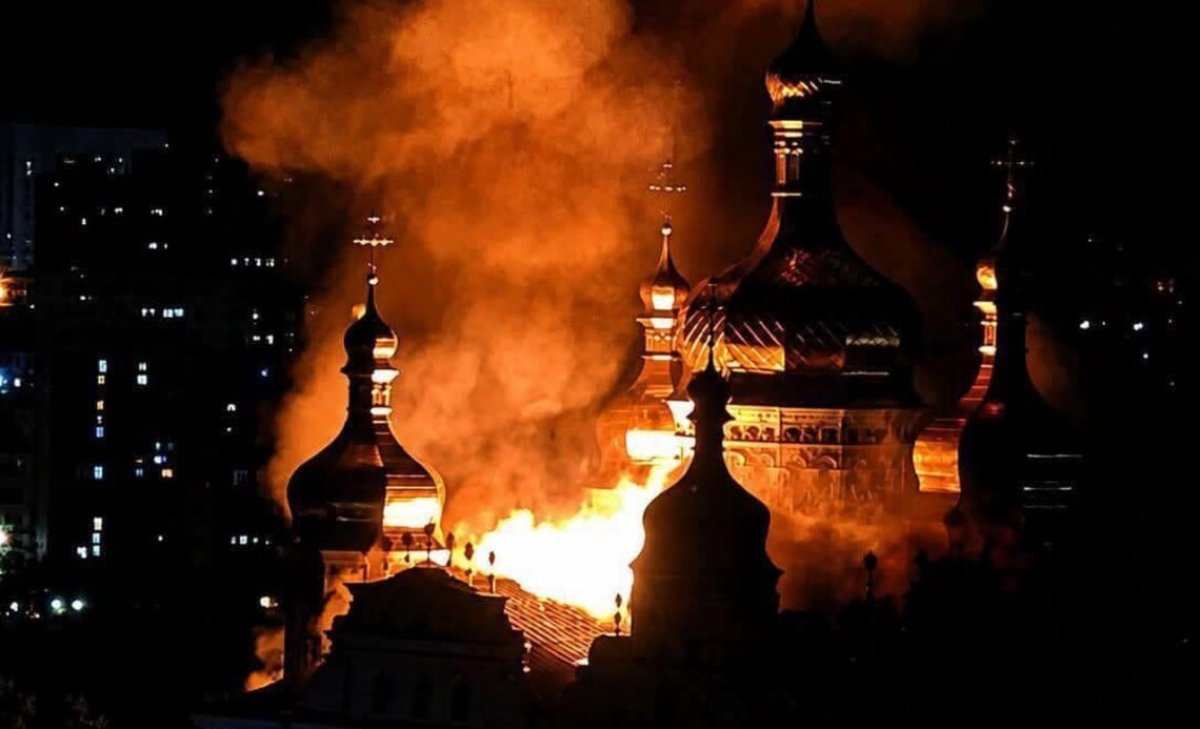
Russia and Ukraine have exchanged accusations following damage to the Kyiv Pechersk Lavra complex in the Ukrainian capital after overnight explosions. The Russian Ministry of Defence denied Ukrainian claims that the site was struck by a Russian attack, suggesting instead that the damage may have been caused by a stray or malfunctioning interceptor missile from a Ukrainian Patriot air defence system. Ukrainian officials firmly rejected this version of events, attributing the damage to a Russian missile strike.
According to Ukrainian authorities, multiple explosions were recorded in Kyiv during a nighttime assault, with air defence systems actively engaged across the city. Falling debris and blast waves reportedly damaged buildings within the historic monastery complex, which is listed as a UNESCO World Heritage Site. Ukraine maintains that the damage resulted from a deliberate Russian missile attack and argues that strikes on religious and cultural heritage sites constitute a violation of international humanitarian law.
The Russian Defence Ministry, however, insisted that its forces were targeting only Ukrainian military infrastructure and dismissed reports of damage to cultural landmarks as “information provocation”. It also claimed that some of the destruction could be linked to the operation of Ukrainian air defence systems, including US-supplied Patriot batteries, which it said operate in densely populated urban areas where interception risks collateral damage.
Independent verification of the incident remains difficult at this stage. Throughout the conflict, similar events have frequently become the subject of competing narratives, with each side accusing the other either of directly targeting civilian and cultural sites or of causing damage through the use of air defence systems.
The Kyiv Pechersk Lavra, one of Ukraine’s most important spiritual centers and a key symbol of regional Orthodox heritage, has previously been affected by the ongoing conflict. International organizations have repeatedly urged all parties to avoid strikes on cultural and religious sites, stressing that their destruction carries not only military implications but also deep symbolic and political consequences that further escalate tensions.
Analysts note that Kyiv remains one of the primary targets of Russian missile and drone strikes, while the intensity of Ukraine’s air defence activity in the capital has increased significantly in recent months. This, in turn, raises the likelihood of so-called “secondary damage” during interception operations, particularly in areas with dense historical and residential infrastructure. As the war continues, such incidents are increasingly becoming part of a broader information and diplomatic struggle, in which responsibility for damage is used by both sides to shape international perception and strengthen their respective political positions.


 Latest news
Latest news
Latest newsBulgaria Seeks Greater Azerbaijani Gas Supplies as Energy Ties Deepen
13.Jun.2026
UAE Poised to Release Billions in Iranian Assets Amid Push for Broader U.S.-Iran Agreement
12.Jun.2026
Trump Signals Imminent Iran Deal as Markets Bet on Reopening of Strait of Hormuz
12.Jun.2026
The war in Ukraine: Russian logistics under fire
09.Jun.2026
Financial Shield for Kyiv: EU Allocates Nearly $28 Billion to Ukraine
09.Jun.2026
London Summit: Europe Strengthens Support for Kyiv and Calls for a Role in Peace Negotiations
08.Jun.2026
Armenia Records Strong Voter Turnout as Parliamentary Elections Conclude
08.Jun.2026
Tanks Return to the Battlefield: Militaries Seek Answers to the Drone Revolution
07.Jun.2026
CNN, Iran, and the South Caucasus: Why Baku Responded Sharply to the U.S. Broadcaster’s Claims
07.Jun.2026
Ankara Turns Defense Industry into a Tool of Global Influence
06.Jun.2026