
 10 Jun 2026









Financial Shield for Kyiv: EU Allocates Nearly $28 Billion to Ukraine
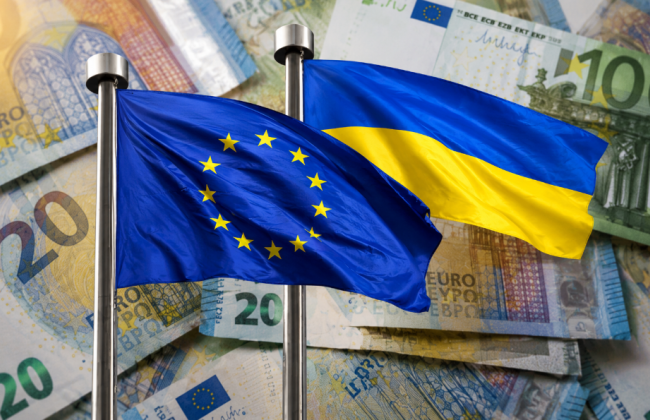
The European Union has allocated nearly $28 billion to Ukraine as part of its ongoing financial assistance program, reaffirming its commitment to remain Kyiv’s primary external partner amid the ongoing conflict and the economic challenges associated with it. The funds will be used to cover budget expenditures, support state institutions, finance social programs, and advance reconstruction projects that remain critical to the country’s functioning.
The decision highlights Brussels’ view of support for Ukraine not as a one-time measure, but as a long-term strategic commitment. Over the past several years, European countries have assumed a significant share of the financial burden required to maintain Ukraine’s macroeconomic stability. At a time when a substantial portion of the national budget is directed toward defense and security needs, external financing has enabled the government to continue paying pensions, public-sector salaries, and ensuring the operation of essential state services.
For Ukraine’s economy, the arrival of nearly $28 billion carries particular significance. Despite a degree of adaptation by businesses to wartime conditions, the country continues to face a sizable budget deficit, reduced industrial capacity across several sectors, and the ongoing need to fund the reconstruction of damaged infrastructure. Under these circumstances, international assistance remains one of the key pillars of financial stability.
Economists note that the newly released funds could ease pressure on public finances while strengthening the confidence of international investors and creditors. The regular flow of substantial EU aid packages sends a signal to global markets that Ukraine continues to enjoy strong backing from its Western partners and retains access to the resources necessary to meet its financial obligations. This contributes to macroeconomic stability, reduces the risk of abrupt fiscal tightening, and allows the government to plan expenditures over a longer time horizon.
At the same time, analysts emphasize that external financial assistance cannot fully substitute for domestic economic growth. Even large-scale funding can only partially offset the losses the economy has suffered as a result of the conflict. Sustainable long-term development will require the recovery of industrial production, expansion of export opportunities, attraction of private investment, and the implementation of structural reforms aimed at improving governance and strengthening the business environment.
Against this backdrop, the EU’s decision to provide nearly $28 billion should be viewed not only as a financial lifeline but also as a political signal of its commitment to long-term cooperation with Ukraine. For Kyiv, the funding offers an opportunity to continue implementing key government programs and maintain economic stability in the near term. However, the country’s lasting recovery will ultimately depend on how effectively this external support can be transformed into investment, economic modernization, and the foundations for self-sustaining growth once the current crisis subsides.


 Latest news
Latest news
Latest newsCNN, Iran, and the South Caucasus: Why Baku Responded Sharply to the U.S. Broadcaster’s Claims
07.Jun.2026
Ankara Turns Defense Industry into a Tool of Global Influence
06.Jun.2026
HEMUS 2026 Highlights Bulgaria's Growing Role in European Defense
06.Jun.2026
Bulgaria Emerges as a Pillar of Europe's New Energy Architecture
05.Jun.2026
Russia Accused of Intensifying Pressure on Armenia Ahead of June 7 Elections
04.Jun.2026
Zelenskyy Proposes Personal Meeting with Putin to End the War
04.Jun.2026
Ukrainian Drones Strike St. Petersburg’s Oil Infrastructure Ahead of Putin’s Speech
04.Jun.2026
The Pre-Election Situation in Armenia: The Final Week Before the Vote
03.Jun.2026
Fuel Crisis Deepens in Crimea as Ukrainian Strikes Disrupt Russian Logistics
02.Jun.2026
Russia Expands Trade Restrictions on Armenia, Targeting Fruit and Fish Imports
01.Jun.2026