
 15 Jun 2026









Infrastructure Pressure: Putin Acknowledges the Economic Impact of Ukrainian Attacks
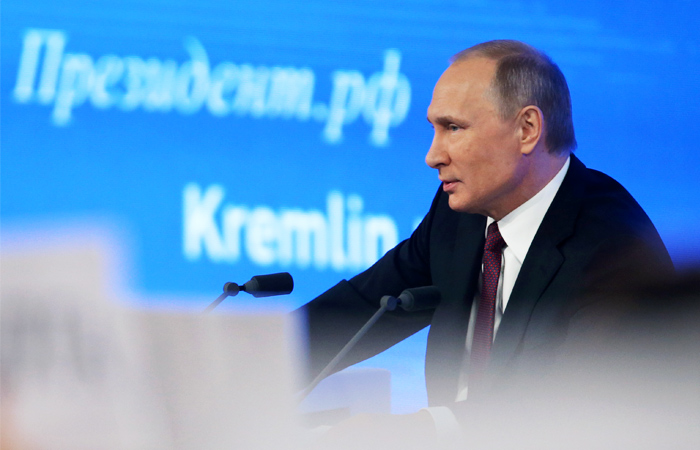
Russian President Vladimir Putin has acknowledged that the increasing number of Ukrainian strikes on Russian infrastructure is having a noticeable negative impact on the country's economy and on the daily lives of its citizens. According to him, the attacks primarily affect fuel and energy facilities, transportation networks, and industrial infrastructure, generating additional economic costs and requiring the reallocation of resources toward the restoration and protection of critical assets.
In recent weeks, according to Russian and international sources, drones have repeatedly targeted oil refineries, fuel depots, railway hubs, and fuel storage facilities across various regions of Russia, including border areas as well as regions far from the front line. Russian authorities maintain that air defense systems intercept most aerial threats; however, some attacks have resulted in localized fires and temporary disruptions to infrastructure operations.
The Ukrainian side does not always officially confirm responsibility for such strikes. Nevertheless, officials in Kyiv have previously stated that attacks on facilities supporting military logistics and supply chains are considered a legitimate component of Ukraine’s defensive strategy in response to Russia’s ongoing full-scale invasion. Ukrainian authorities emphasize that the objective of these operations is to reduce the offensive capabilities of the Russian armed forces rather than target civilians.
According to analysts, even if the direct economic impact of individual strikes remains limited, their cumulative effect is becoming increasingly significant. Attacks on refining capacity and fuel infrastructure create risks of temporary reductions in oil-processing output, localized fuel shortages in certain regions, and rising logistics costs. At a time of elevated military spending and continued sanctions pressure, such disruptions place additional strain on the Russian economy.
The psychological and administrative effects are also considerable. The expanding geographic scope of the attacks, including strikes in regions located far from the battlefield, forces Russian authorities to divert additional resources toward air defense systems, enhanced protection of critical infrastructure, and the modernization of electronic warfare capabilities. This, in turn, increases defense expenditures and reduces the flexibility of civilian budget planning.
Economists note that this type of pressure is characteristic of what is often described as asymmetric warfare, in which one side employs relatively inexpensive means of attack — primarily drones — to impose costs on an opponent’s expensive infrastructure. In such cases, the primary impact is achieved not only through physical damage but also through increased uncertainty, heightened risk perceptions, and the continual need to reallocate resources. Against the backdrop of the ongoing conflict, Russia faces a dual challenge: maintaining stability in domestic fuel markets and logistics networks while simultaneously coping with rising costs associated with protecting infrastructure and repairing damaged facilities. According to a number of observers, this combination of factors is gradually becoming one of the most persistent sources of economic pressure on Russia, alongside sanctions and restrictions on technology imports.
As a result, analysts view Putin’s acknowledgment of the economic impact of these attacks as an indirect indication that infrastructure pressure is becoming an increasingly important factor in the broader dynamics of the conflict. It is no longer confined to the military sphere alone but is also affecting the resilience and sustainability of Russia’s domestic economic model.


 Latest news
Latest news
Latest newsBulgaria Seeks Greater Azerbaijani Gas Supplies as Energy Ties Deepen
13.Jun.2026
UAE Poised to Release Billions in Iranian Assets Amid Push for Broader U.S.-Iran Agreement
12.Jun.2026
Trump Signals Imminent Iran Deal as Markets Bet on Reopening of Strait of Hormuz
12.Jun.2026
The war in Ukraine: Russian logistics under fire
09.Jun.2026
Financial Shield for Kyiv: EU Allocates Nearly $28 Billion to Ukraine
09.Jun.2026
London Summit: Europe Strengthens Support for Kyiv and Calls for a Role in Peace Negotiations
08.Jun.2026
Armenia Records Strong Voter Turnout as Parliamentary Elections Conclude
08.Jun.2026
Tanks Return to the Battlefield: Militaries Seek Answers to the Drone Revolution
07.Jun.2026
CNN, Iran, and the South Caucasus: Why Baku Responded Sharply to the U.S. Broadcaster’s Claims
07.Jun.2026
Ankara Turns Defense Industry into a Tool of Global Influence
06.Jun.2026