
 27 May 2026









Europe Without Washington: Berlin Discusses a New Format of Support for Ukraine
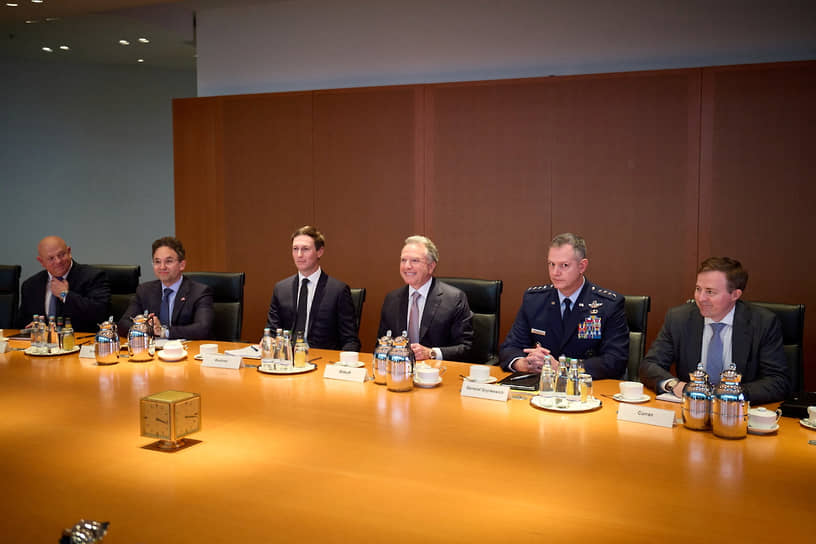
Against the backdrop of the ongoing war in Ukraine and the increasingly visible decline of Washington’s interest in direct involvement in the peace process, closed-door consultations are taking place in Berlin between representatives of Ukraine, Germany, France, and the United Kingdom. According to European diplomatic sources, the meetings are being held in a narrow format and are focused on several key areas at once — coordinating further military assistance to Kyiv, developing a unified European position on possible negotiations with Russia, and preparing for a potential change in the role of the United States in the Ukrainian conflict.
Sources within European institutions say the current consultations represent one of the most serious attempts yet by Europe to build its own framework for supporting Ukraine without complete dependence on the American line. The renewed diplomatic activity was reportedly triggered by recent statements from members of the US administration calling for a “reassessment of approaches” to the conflict and a reduction in Washington’s involvement in the prolonged negotiation process.
According to available information, Germany and France are advocating the creation of a permanent coordination mechanism between leading European countries and Kyiv. Such a structure would allow faster coordination of arms deliveries, financing for Ukraine’s defense industry, and the training of Ukrainian military personnel. The United Kingdom, meanwhile, continues to insist on maintaining the toughest possible stance toward Moscow and opposes any premature compromises.
One of the key topics under discussion remains the prospect of new negotiations between Russia and Ukraine. European diplomats fear that if US activity declines further, Moscow could attempt to increase pressure both on the battlefield and politically in order to secure more favorable conditions for a possible ceasefire. Various mediation formats are reportedly being discussed in Berlin, including an expanded role for Turkiye, Gulf states, and several Eastern European countries.
At the same time, serious disagreements remain within Europe regarding the future strategy toward the conflict. Some politicians in Germany and France are increasingly speaking about the need to seek gradual de-escalation, citing concerns over growing economic pressure and rising military expenditures. In contrast, London and several Eastern European states believe that any weakening of support for Ukraine could be interpreted by Russia as a sign of Western weakness.
Experts note that the current consultations in Berlin reflect a broader transformation of European security policy. For the first time in years, leading EU countries and the United Kingdom are effectively discussing the possibility of managing Europe’s largest military crisis without the decisive role of the United States. For this reason, the talks are being viewed not merely as another meeting on Ukraine, but as a test of Europe’s ability to act as an independent geopolitical center of power.


 Latest news
Latest news
Latest newsMilitary Parade as a Manifesto: What Armenia Wants to Tell the World on May 28
25.May.2026
The War in Ukraine: The Russian Army is Already Running Out of Steam
25.May.2026
Railway Breakthrough: Armenia Integrates into the Akhalkalaki–Kars Route
24.May.2026
Tbilisi on the Eve of May 26: Independence Day Turns Into a Day of Political Struggle
24.May.2026
The US and Iran Continue Negotiations on a Possible Agreement and Extension of the Ceasefire
23.May.2026
The United States Suspends Participation in Ukraine Negotiations
22.May.2026
Azerbaijan and Georgia Strengthen Strategic Partnership with New Package of Agreements Signed
21.May.2026
Russia and China Strengthen Coordination on Key International Issues
20.May.2026
Beijing’s Hidden Role: Chinese Military Training for Russian Forces Revealed
19.May.2026
Pakistan Delivers Iran’s Revised Proposal to the US to End the War
18.May.2026