
 27 May 2026









War Transforms Iran: Power Shifts from Clerics to Security Forces
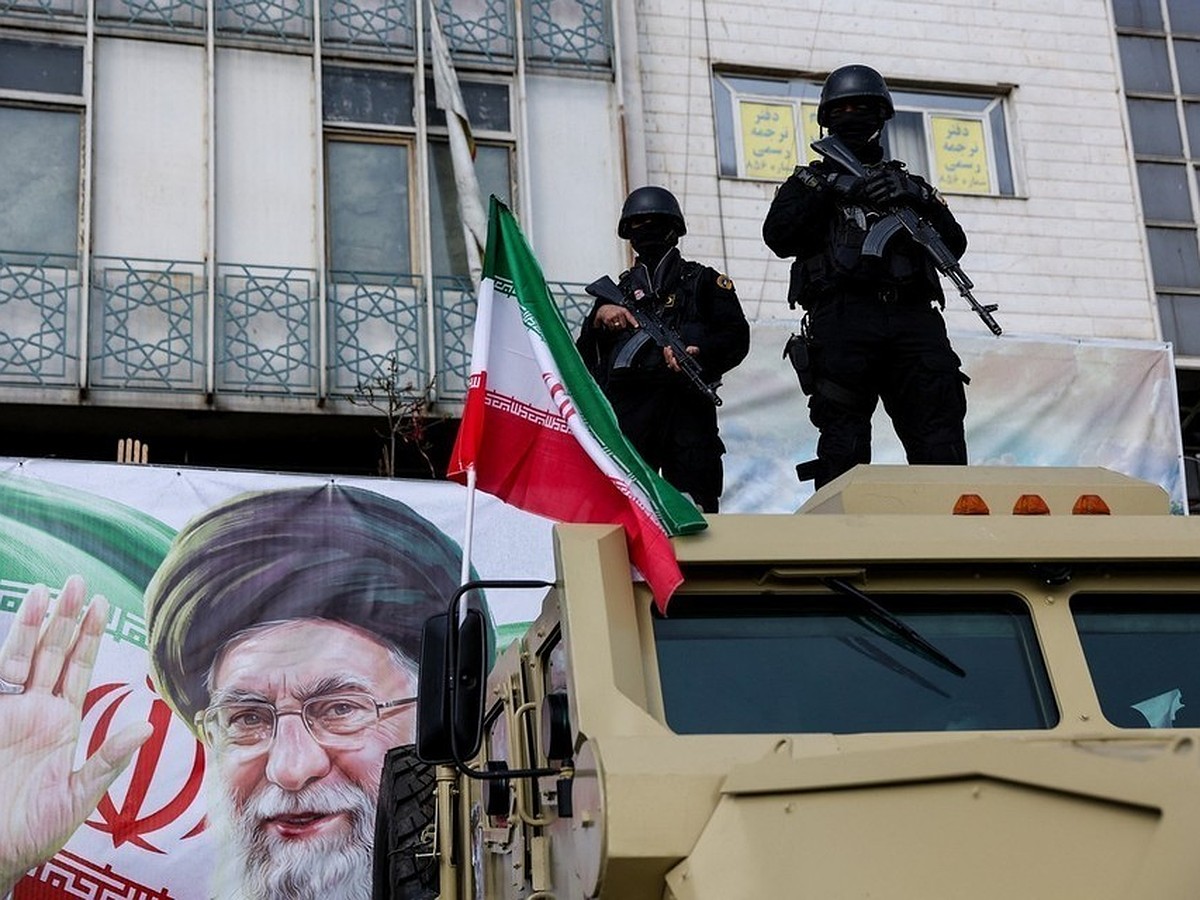
In Iran, amid the ongoing military conflict with the United States and Israel, a profound transformation of the political system is underway: real power is rapidly shifting from the religious leadership to military structures, primarily the Islamic Revolutionary Guard Corps (IRGC). In wartime conditions, security elites have become the central decision-makers, while formal institutions, including the position of the Supreme Leader, are increasingly playing a symbolic role.
The situation largely stems from the events of late February 2026, when Supreme Leader Ali Khamenei was reportedly killed in an airstrike, along with a significant portion of the country’s top military and political leadership. His successor, Mojtaba Khamenei, was appointed during wartime; however, according to sources, he sustained serious injuries and has been unable to fully govern the country, further strengthening the influence of security forces.
Against this backdrop, a new model of governance has effectively taken shape: key decisions are made not by the religious establishment but by a narrow circle of IRGC officials and security bodies, including the Supreme National Security Council. Analysts suggest that Iran is transitioning from a theocratic system to a form of military-dominated rule, where the priority is no longer ideological legitimacy but control and regime survival under wartime conditions.
This redistribution of power is already affecting Iran’s foreign policy. Negotiations with the United States have effectively reached a deadlock: neither side appears willing to compromise, and any concessions within Iran’s political system are viewed as a sign of weakness. As a result, diplomatic space is shrinking, and Tehran’s course is becoming more rigid and confrontational.
At the same time, internal repression is intensifying. The military leadership is focused on maintaining control within the country amid a worsening economic situation and the growing risk of mass protests. According to various sources, the war has already dealt a serious blow to Iran’s economy, including job losses and rising social tensions.
Experts note that these developments could have long-term consequences not only for Iran but for the entire region. The growing influence of the IRGC reduces flexibility in foreign policy and increases the likelihood of further escalation. At the same time, even a potential change in formal leadership in the near future is unlikely to alter the country’s trajectory, as the real center of power has already shifted toward military structures.
Thus, Iran is entering a new phase of its political development: a country long governed by a religious elite is, under the pressures of war, effectively transforming into a state dominated by the military — making its behavior less predictable and more hardline both domestically and on the international stage.
CCBS Expert Group


 Latest news
Latest news
Latest newsMilitary Parade as a Manifesto: What Armenia Wants to Tell the World on May 28
25.May.2026
The War in Ukraine: The Russian Army is Already Running Out of Steam
25.May.2026
Railway Breakthrough: Armenia Integrates into the Akhalkalaki–Kars Route
24.May.2026
Tbilisi on the Eve of May 26: Independence Day Turns Into a Day of Political Struggle
24.May.2026
The US and Iran Continue Negotiations on a Possible Agreement and Extension of the Ceasefire
23.May.2026
The United States Suspends Participation in Ukraine Negotiations
22.May.2026
Azerbaijan and Georgia Strengthen Strategic Partnership with New Package of Agreements Signed
21.May.2026
Russia and China Strengthen Coordination on Key International Issues
20.May.2026
Beijing’s Hidden Role: Chinese Military Training for Russian Forces Revealed
19.May.2026
Pakistan Delivers Iran’s Revised Proposal to the US to End the War
18.May.2026