
 27 May 2026









- The
South Caucasus is gradually becoming a space of both competition and
cooperation among major powers;
- Azerbaijan
is strengthening its multi-vector foreign policy, balancing relations between
actors ranging from Turkey to the West and Russia;
- Ukraine, amid a prolonged conflict, is expanding its network of partnerships beyond its traditional allies.
- expansion of economic and logistics projects between the two countries;
- stronger
coordination on security and infrastructure issues;
- emergence of new negotiation formats involving third countries.
Meeting of the Leaders of Ukraine and Azerbaijan: Strengthening Partnership and a Geopolitical Signal
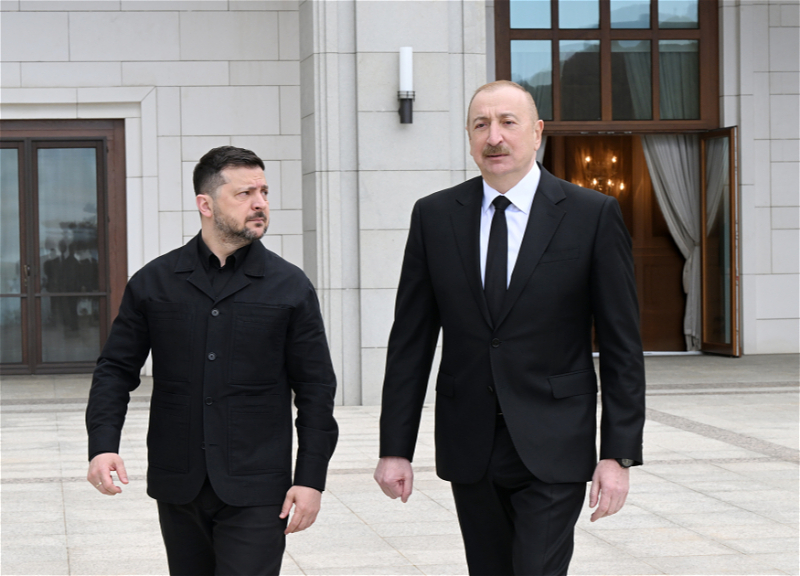
Negotiations between Volodymyr Zelenskyy and Ilham Aliyev have become one of the most notable diplomatic events in the post-Soviet space in recent weeks. The meeting took place in Azerbaijan and included both one-on-one talks and discussions in an expanded format, which typically indicates progress toward concrete agreements and practical areas of cooperation.
Key Topics of the Negotiations
The central issues included security, energy, and humanitarian cooperation. For Kyiv, the energy component is particularly important: amid the ongoing war and pressure on infrastructure, Ukraine is interested in diversifying supplies and strengthening ties with alternative energy partners.
Azerbaijan, in turn, has demonstrated its readiness to expand export and transit capabilities, including participation in projects that could indirectly support Ukraine’s energy resilience. This aligns with Baku’s broader strategy to enhance its role as an energy and transport hub between East and West.
A separate part of the talks focused on defense and military-technical cooperation. While details are typically not disclosed, the very discussion of these issues points to a gradual deepening of cooperation, especially in the context of modern conflicts where technology, logistics, and knowledge-sharing are crucial.
Diplomatic Context: Azerbaijan’s Role
One of the most notable signals was the proposal to consider Azerbaijan as a platform for potential international negotiations, including formats involving major powers. This reflects Baku’s growing ambition to position itself as a neutral negotiation venue.
Against the backdrop of the ongoing conflict related to the Russia–Ukraine War, such initiatives carry particular significance. They highlight the search for new diplomatic channels beyond traditional European capitals and international institutions.
Geopolitical Significance
The rapprochement between Ukraine and Azerbaijan should not be viewed in isolation. It is taking place amid a broader transformation of regional dynamics:
Thus, Baku seeks to enhance its international standing and reinforce its image as a reliable partner and mediator. Kyiv, in turn, sees an opportunity to increase its foreign policy flexibility and secure additional sources of support.
Potential Outcomes
If the agreements are implemented in practice, the following developments can be expected:
CCBS
Expert Group


 Latest news
Latest news
Latest newsMilitary Parade as a Manifesto: What Armenia Wants to Tell the World on May 28
25.May.2026
The War in Ukraine: The Russian Army is Already Running Out of Steam
25.May.2026
Railway Breakthrough: Armenia Integrates into the Akhalkalaki–Kars Route
24.May.2026
Tbilisi on the Eve of May 26: Independence Day Turns Into a Day of Political Struggle
24.May.2026
The US and Iran Continue Negotiations on a Possible Agreement and Extension of the Ceasefire
23.May.2026
The United States Suspends Participation in Ukraine Negotiations
22.May.2026
Azerbaijan and Georgia Strengthen Strategic Partnership with New Package of Agreements Signed
21.May.2026
Russia and China Strengthen Coordination on Key International Issues
20.May.2026
Beijing’s Hidden Role: Chinese Military Training for Russian Forces Revealed
19.May.2026
Pakistan Delivers Iran’s Revised Proposal to the US to End the War
18.May.2026