
 27 May 2026









The Resumption of the “Druzhba” pipeline Strengthens Europe’s Energy Resilience
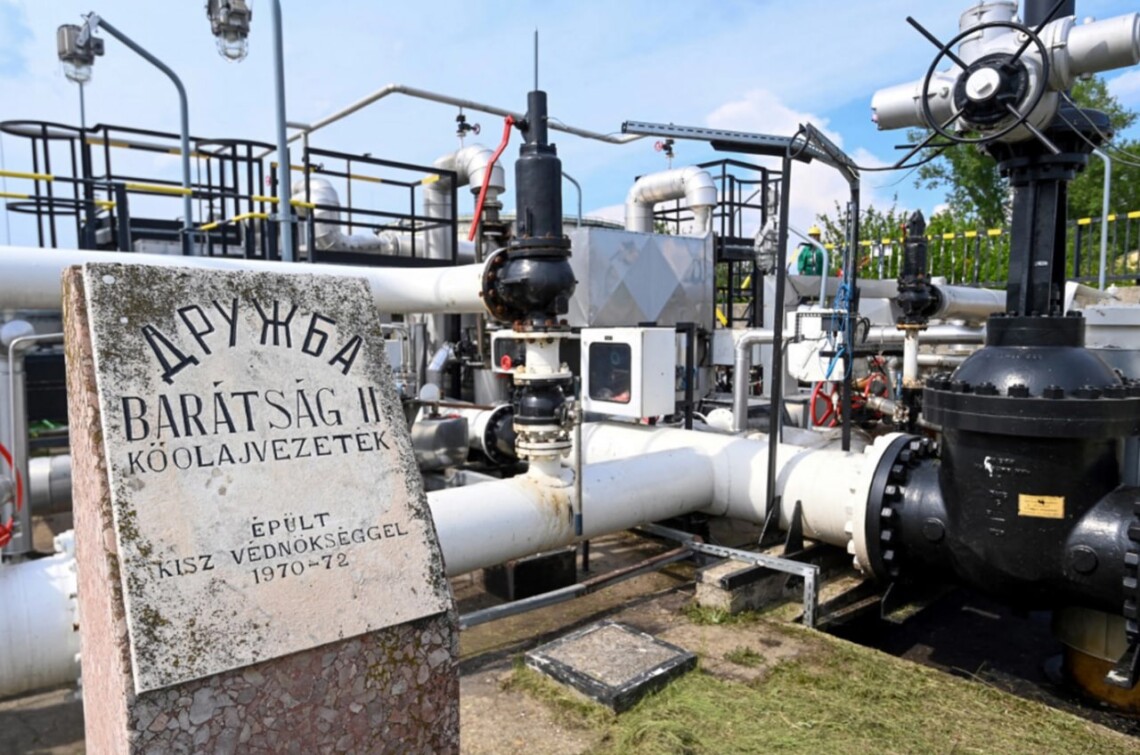
Oil deliveries to Slovakia via the “Druzhba” pipeline
resumed in the early hours of April 23 after a nearly three-month interruption,
which had become one of the most acute episodes of energy and political tension
in Europe amid the war in Ukraine. According to the Slovak Ministry of Economy,
the intake of crude oil began at around 2 a.m., effectively confirming the
restoration of transit through Ukrainian territory.
The disruption, which lasted since late January, was linked
to infrastructure damage following strikes that Kyiv attributes to Russia.
Ukraine cited the need for repairs as the reason for the halt, while Hungary
and Slovakia accused Kyiv of politically delaying the resumption of transit.
The restart of oil flows carries not only energy but also
clear political significance. Almost immediately after supplies resumed,
Budapest lifted its veto on a key European Union aid package for Ukraine worth
approximately €90 billion, which had previously been blocked due to the dispute
surrounding the pipeline.
This development highlights how energy issues have
effectively become a tool of leverage within broader European politics. The
situation underscores the close interconnection between energy security,
sanctions policy, and financial support for Kyiv.
By the end of April, Slovakia is expected to receive around
119,000 tons of oil via the restored route, which should help partially
stabilize the domestic fuel market.
At the same time, the pipeline remains one of the most
politicized pieces of infrastructure in Europe. Despite the European Union’s
strategic course toward reducing dependence on Russian energy resources,
Slovakia and Hungary continue to rely heavily on Russian oil supplies, leaving
them vulnerable to similar disruptions.
As a result, the “Druzhba” pipeline has once again confirmed
its role not merely as a transport artery, but as a key element of Europe’s
geopolitical architecture, where energy directly influences strategic
decision-making.
From an
analytical perspective, the current situation demonstrates several key trends:
energy remains a
crucial lever of influence in the ongoing conflict between Russia and Ukraine,
where even short-term disruptions can affect decision-making at the level of
the European Union.
the crisis has
exposed the structural dependence of certain EU countries on Russian energy
resources, highlighting the difficulty of rapidly diversifying supply despite
political commitments.
the episode has
intensified discussions within the EU about reforming decision-making
mechanisms, as situations in which one or two countries can block strategic
initiatives due to national energy interests continue to draw criticism.
the resumption of
supplies does not signify a full resolution of the crisis, as risks of further
disruptions persist due to both ongoing hostilities and unresolved political
disagreements among Kyiv, Budapest, and Bratislava.
CCBS Expert Group


 Latest news
Latest news
Latest newsMilitary Parade as a Manifesto: What Armenia Wants to Tell the World on May 28
25.May.2026
The War in Ukraine: The Russian Army is Already Running Out of Steam
25.May.2026
Railway Breakthrough: Armenia Integrates into the Akhalkalaki–Kars Route
24.May.2026
Tbilisi on the Eve of May 26: Independence Day Turns Into a Day of Political Struggle
24.May.2026
The US and Iran Continue Negotiations on a Possible Agreement and Extension of the Ceasefire
23.May.2026
The United States Suspends Participation in Ukraine Negotiations
22.May.2026
Azerbaijan and Georgia Strengthen Strategic Partnership with New Package of Agreements Signed
21.May.2026
Russia and China Strengthen Coordination on Key International Issues
20.May.2026
Beijing’s Hidden Role: Chinese Military Training for Russian Forces Revealed
19.May.2026
Pakistan Delivers Iran’s Revised Proposal to the US to End the War
18.May.2026