
 27 May 2026









Ceasefire Without Effect: Traffic Through the Strait of Hormuz Remains Paralyzed
Shipping
through the Strait of Hormuz remains virtually paralyzed despite the announced
ceasefire between the United States and Iran, casting doubt on the prospects
for rapid stabilization of global energy markets. According to monitoring data,
traffic intensity has fallen to less than 10% of normal levels: over the past
day, only a handful of vessels transited the strait, compared to more than a
hundred under normal conditions.
Formally, the ceasefire reached in early April envisaged a
gradual restoration of transit; however, in practice, Iran continues to
maintain strict control over the strait. Vessel passage is permitted only with
the approval of Iranian military authorities, and routes are laid close to
Iranian territorial waters due to the threat of mines and ongoing security
risks.
An additional constraint has been the effective quota on
traffic: according to sources, Tehran allows no more than 10–15 vessels per
day, which is several times lower than pre-conflict levels. At the same time,
many international shipping companies and insurers remain reluctant to resume
full operations in the region, awaiting clear security guarantees and
transparent transit rules.
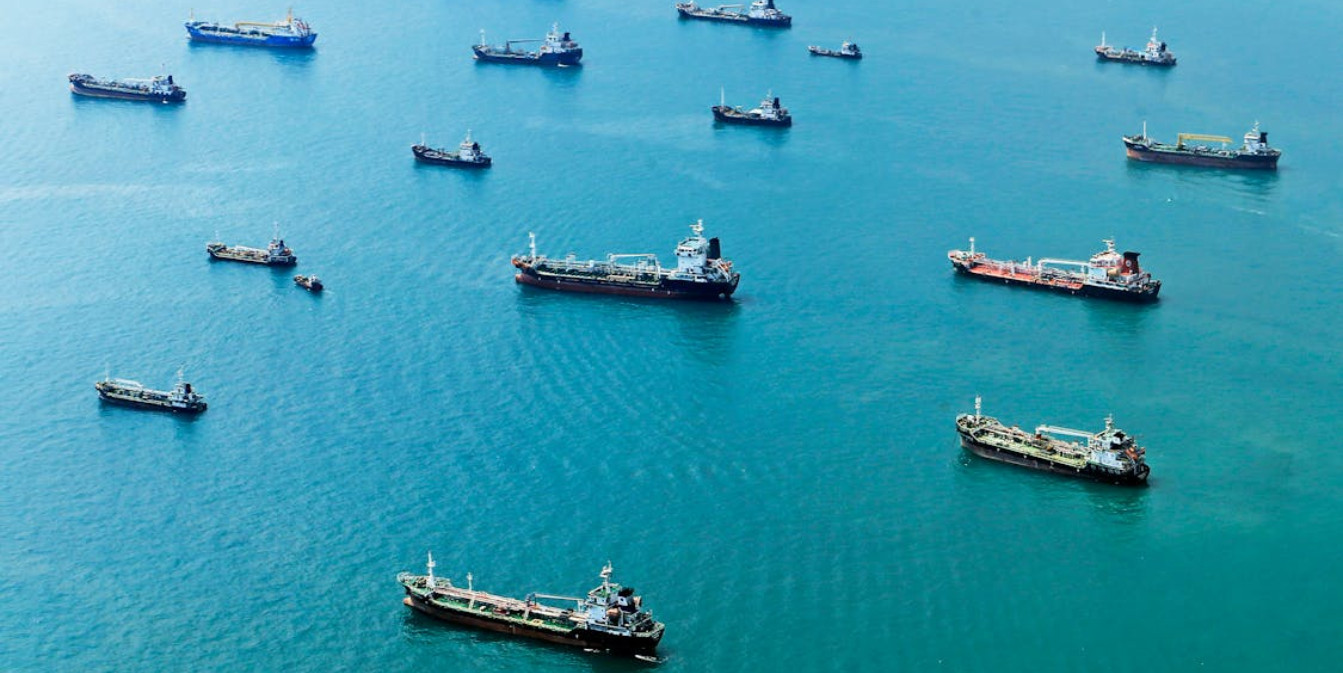
Amid the ongoing restrictions, hundreds of vessels —
including oil and gas tankers — have accumulated in the Persian Gulf,
increasing pressure on global supply chains. It is estimated that under normal
conditions, about one-fifth of the world’s oil passes through the Strait of
Hormuz, so its effective blockage has already led to a sharp rise in prices and
a reduction in supply on the market.
The situation around the strait is increasingly taking on a
political dimension. Iran is not only controlling passage but is also
considering introducing transit fees, which has drawn criticism from
international organizations pointing to violations of the principle of freedom
of navigation. Thus, even after the ceasefire announcement, this key transport
artery remains an instrument of geopolitical pressure.
Overall, the current dynamics suggest that the ceasefire is largely formal and has not yet led to a restoration of normal economic activity. Even with further de-escalation, a return to previous shipping volumes may take weeks or months, while the Strait of Hormuz remains one of the main points of instability in the global energy system.


 Latest news
Latest news
Latest newsMilitary Parade as a Manifesto: What Armenia Wants to Tell the World on May 28
25.May.2026
The War in Ukraine: The Russian Army is Already Running Out of Steam
25.May.2026
Railway Breakthrough: Armenia Integrates into the Akhalkalaki–Kars Route
24.May.2026
Tbilisi on the Eve of May 26: Independence Day Turns Into a Day of Political Struggle
24.May.2026
The US and Iran Continue Negotiations on a Possible Agreement and Extension of the Ceasefire
23.May.2026
The United States Suspends Participation in Ukraine Negotiations
22.May.2026
Azerbaijan and Georgia Strengthen Strategic Partnership with New Package of Agreements Signed
21.May.2026
Russia and China Strengthen Coordination on Key International Issues
20.May.2026
Beijing’s Hidden Role: Chinese Military Training for Russian Forces Revealed
19.May.2026
Pakistan Delivers Iran’s Revised Proposal to the US to End the War
18.May.2026