
 27 May 2026









Escalation Around Iran: The U.S. Increases Pressure
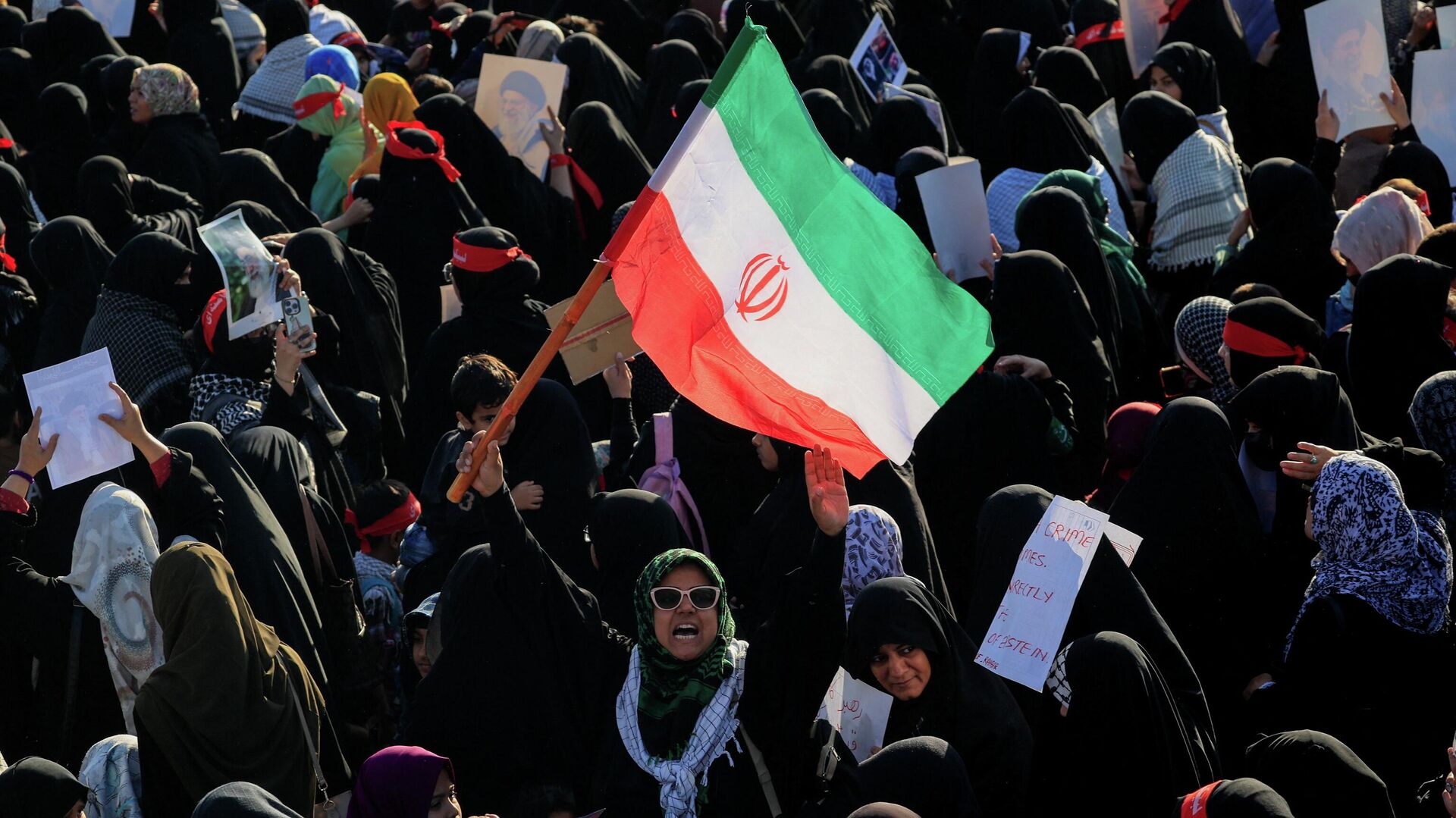
U.S. President Donald Trump delivered a sharp statement regarding the situation around Iran, warning of a possible “decisive night” that, according to him, could become a turning point not only for the region but for world history as a whole.
In a post on Truth Social, he said that “tonight an entire civilization could perish”, emphasizing that he does not want such an outcome but considers it likely. At the same time, Trump suggested that in the event of a “complete and total regime change” in Iran, “smarter and less radical forces” could come to power, potentially leading to “revolutionarily beautiful” changes.
This statement comes amid a rapid escalation of the conflict between Iran, Israel, and the United States, which in recent weeks has effectively developed into a large-scale military confrontation. The sides have already exchanged a series of strikes: Israel and the U.S. are targeting military and transport infrastructure inside Iran, while Tehran is responding with missile and drone attacks on Israeli targets and U.S. bases in the region. Reports indicate that the strikes are affecting not only military sites but also critical infrastructure, increasing the risk of a humanitarian crisis.
Additional tension stems from reports that Iran is considering strikes on energy infrastructure in the Persian Gulf states, a move that could significantly disrupt global oil supplies and trigger a sharp rise in energy prices. At the same time, increased activity of U.S. military assets has been observed, including the deployment of strategic aviation, indirectly pointing to preparations for further escalation.
Experts note that Trump’s rhetoric about the “death of a civilization” may serve both as a political signal of pressure and as a reflection of genuine concerns about a large-scale strike with unpredictable consequences. In a worst-case scenario, this could involve the collapse of Iran’s key state institutions, destabilization across the region, and the involvement of additional countries in the conflict. Meanwhile, statements about “regime change” are traditionally perceived in Tehran as a direct threat to the state’s existence, reducing the chances of a diplomatic resolution in the short term.


 Latest news
Latest news
Latest newsMilitary Parade as a Manifesto: What Armenia Wants to Tell the World on May 28
25.May.2026
The War in Ukraine: The Russian Army is Already Running Out of Steam
25.May.2026
Railway Breakthrough: Armenia Integrates into the Akhalkalaki–Kars Route
24.May.2026
Tbilisi on the Eve of May 26: Independence Day Turns Into a Day of Political Struggle
24.May.2026
The US and Iran Continue Negotiations on a Possible Agreement and Extension of the Ceasefire
23.May.2026
The United States Suspends Participation in Ukraine Negotiations
22.May.2026
Azerbaijan and Georgia Strengthen Strategic Partnership with New Package of Agreements Signed
21.May.2026
Russia and China Strengthen Coordination on Key International Issues
20.May.2026
Beijing’s Hidden Role: Chinese Military Training for Russian Forces Revealed
19.May.2026
Pakistan Delivers Iran’s Revised Proposal to the US to End the War
18.May.2026