
 27 May 2026









Putin and Pashinyan in Moscow: Armenia Strengthens Its Agency Amid Regional Changes
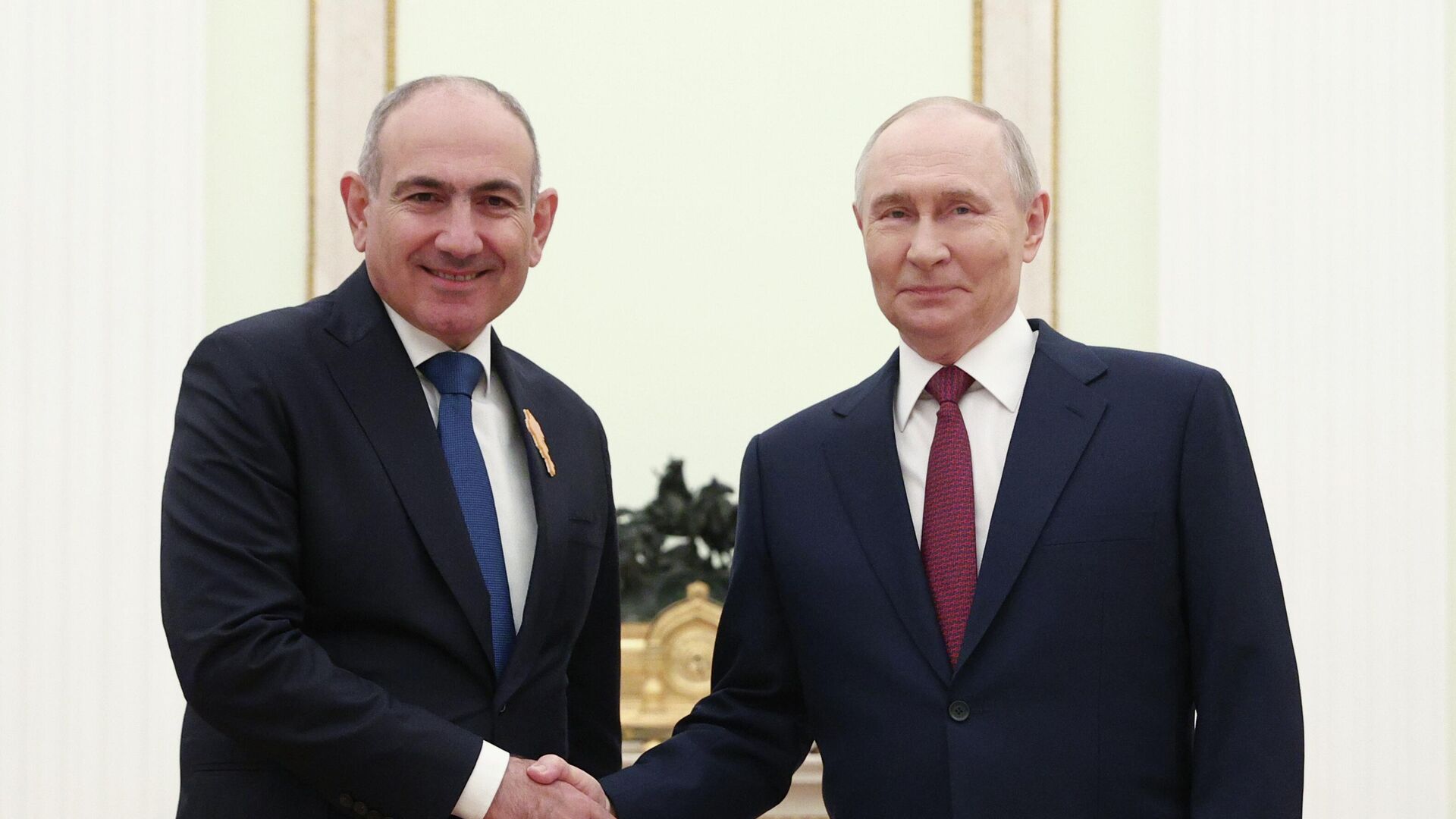
The
meeting between Russian President Vladimir Putin
and Armenian Prime Minister Nikol Pashinyan
in Moscow on April 1 marked an important stage in the reassessment of bilateral
relations, which are now evolving in a more complex yet more mature form.
The talks were held in a candid atmosphere and addressed
key issues ranging from the economy to security and Yerevan’s foreign policy
course. Notably, Armenia’s confident position stood out, as it continues to
consistently defend its national interests, demonstrating growing political
agency and flexibility in decision-making.
One of the central topics was balancing cooperation with
Russia and the development of ties with the European Union. Moscow pointed to
the challenges of combining membership in the Eurasian
Economic Union with deeper integration into the EU. In response,
Pashinyan emphasized that Armenia seeks to pursue a pragmatic and multi-vector
foreign policy based on the interests of its society. According to experts,
this approach reflects Yerevan’s increasing diplomatic independence and its
ability to engage with multiple centers of power.
In the field of security, discussions were also complex.
Issues related to the role of the Collective
Security Treaty Organization remain sensitive for Armenia. However,
Yerevan’s position reflects a desire not for confrontation, but for the search
for more effective and modern security mechanisms, in line with the broader
transformation of the regional security architecture.
The absence of high-profile statements following the
meeting may indicate not a weakness in negotiations, but rather a shift toward
more pragmatic and substantive diplomacy, where the focus is placed on
long-term interests rather than symbolic gestures.
Analysts note that Armenia today
demonstrates an ability to adapt to a rapidly changing geopolitical
environment. Despite objective challenges, the country continues to develop its
state institutions, strengthen democratic processes, and expand its foreign
policy opportunities. This allows Yerevan to engage in a more balanced dialogue
even with major partners such as Russia.
Overall, the meeting in Moscow showed that Armenia is
increasingly shaping its own development strategy, striving to maintain a
balance between traditional allies and new areas of cooperation. If implemented
effectively, this course could strengthen the country’s position in the region
and enhance its role as an independent and responsible international actor.


 Latest news
Latest news
Latest newsMilitary Parade as a Manifesto: What Armenia Wants to Tell the World on May 28
25.May.2026
The War in Ukraine: The Russian Army is Already Running Out of Steam
25.May.2026
Railway Breakthrough: Armenia Integrates into the Akhalkalaki–Kars Route
24.May.2026
Tbilisi on the Eve of May 26: Independence Day Turns Into a Day of Political Struggle
24.May.2026
The US and Iran Continue Negotiations on a Possible Agreement and Extension of the Ceasefire
23.May.2026
The United States Suspends Participation in Ukraine Negotiations
22.May.2026
Azerbaijan and Georgia Strengthen Strategic Partnership with New Package of Agreements Signed
21.May.2026
Russia and China Strengthen Coordination on Key International Issues
20.May.2026
Beijing’s Hidden Role: Chinese Military Training for Russian Forces Revealed
19.May.2026
Pakistan Delivers Iran’s Revised Proposal to the US to End the War
18.May.2026