
 27 May 2026









“War Costs Money”: Iran Introduces Fees for Passage Through the Strait of Hormuz
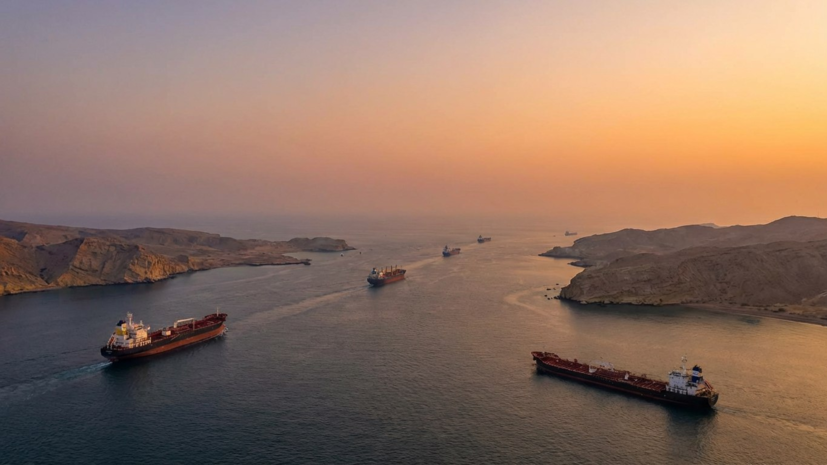
Iran
has begun charging certain vessels up to $2 million for transit through the
Strait of Hormuz — one of the world’s key energy routes — a move that could
heighten tensions in global markets and affect oil prices and supply logistics.
The announcement was made by Alaeddin Boroujerdi, a member
of Iran’s parliamentary commission on national security and foreign policy.
According to him, Tehran is effectively introducing a new regulatory regime in
the strait, justifying it as necessary to finance military expenditures.
“Since war costs money, we must naturally charge ships”, he said, without specifying the implementation mechanism or which companies would be subject to the new measure.
The move comes amid a sharp escalation in the Middle East.
Earlier, U.S. President Donald Trump warned Tehran of potential strikes on its
energy infrastructure if shipping were restricted, while Iranian officials
signaled readiness to retaliate against targets in the region.
The Strait of Hormuz remains a strategically vital artery
of global trade: under normal conditions, about 20% of the world’s oil and
liquefied natural gas supplies pass through it. Disruptions to navigation are
already causing volatility in energy and financial markets.
Experts warn that the introduction of
transit fees could set a precedent and further fragment international maritime
logistics. Additional costs are already being reflected in shipping rates, as
companies face “war risk” premiums and rising supply chain expenses.
Analysts view Tehran’s actions as part of a broader pressure strategy amid regional conflict, where control over energy routes is becoming a key instrument of influence. In the event of further escalation, this could affect not only the region but also the global economy, increasing inflationary pressures and instability in commodity markets.


 Latest news
Latest news
Latest newsMilitary Parade as a Manifesto: What Armenia Wants to Tell the World on May 28
25.May.2026
The War in Ukraine: The Russian Army is Already Running Out of Steam
25.May.2026
Railway Breakthrough: Armenia Integrates into the Akhalkalaki–Kars Route
24.May.2026
Tbilisi on the Eve of May 26: Independence Day Turns Into a Day of Political Struggle
24.May.2026
The US and Iran Continue Negotiations on a Possible Agreement and Extension of the Ceasefire
23.May.2026
The United States Suspends Participation in Ukraine Negotiations
22.May.2026
Azerbaijan and Georgia Strengthen Strategic Partnership with New Package of Agreements Signed
21.May.2026
Russia and China Strengthen Coordination on Key International Issues
20.May.2026
Beijing’s Hidden Role: Chinese Military Training for Russian Forces Revealed
19.May.2026
Pakistan Delivers Iran’s Revised Proposal to the US to End the War
18.May.2026