
 27 May 2026









The New Reality: How Russia Is Transforming Occupied Ukraine
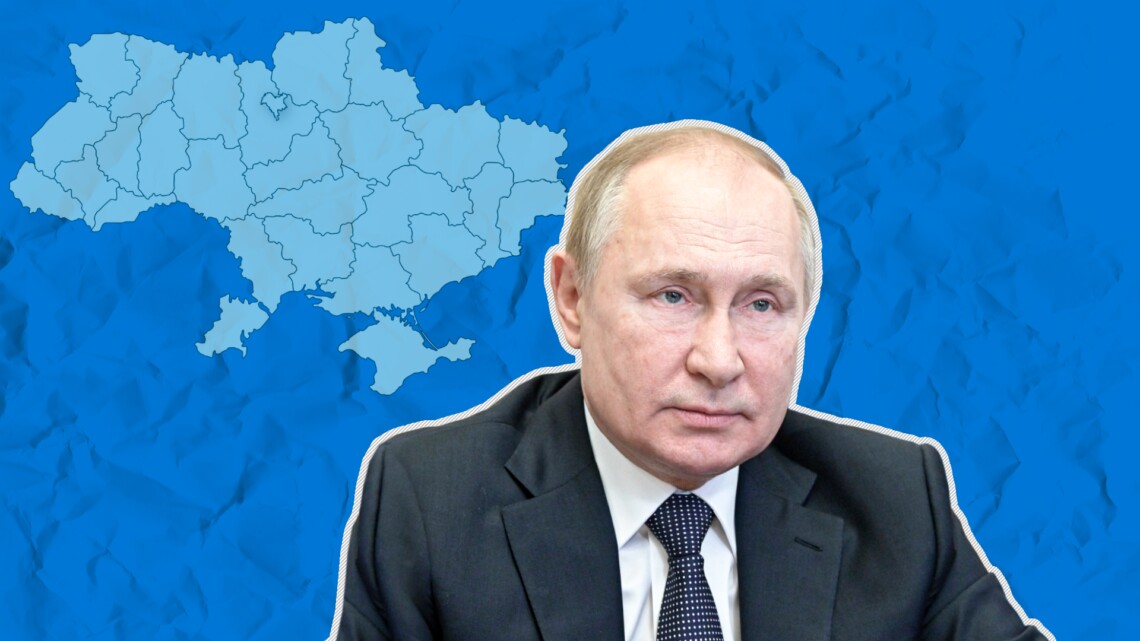
Russia is gradually transforming the occupied territories of Ukraine into a space that no longer appears temporary, but instead increasingly integrated into the Russian system for the long term.
Following the full-scale invasion in 2022, significant parts of eastern and southern Ukraine came under Russian control, including the Donetsk, Luhansk, Zaporizhzhia, and Kherson regions. Millions of people still live in these areas, and despite ongoing hostilities, another, less visible process is unfolding in parallel — a deep structural transformation of these territories.
A key element of this transformation is infrastructure. According to investigative findings, Moscow has invested billions of dollars in roads, railways, ports, and logistics. New transport corridors are being developed, including large-scale projects such as the “Novorossiya” railway network and a road ring around the Sea of Azov. These projects directly connect the occupied regions to Russia and Crimea, reducing their dependence on the rest of Ukraine and effectively reshaping the region’s economic geography.

Particular attention is being paid to ports, especially in Mariupol and Berdyansk. Their restoration and modernization allow raw materials, including grain and coal, to be exported through Russian-controlled channels. Satellite imagery indicates growing cargo traffic and active construction of new facilities, suggesting long-term planning rather than temporary measures.
However, the transformation goes beyond infrastructure. Russia is actively restructuring the regional economy: enterprises and natural resources are being transferred under the control of Russian companies, and some assets are even being put up for sale. This includes deposits of natural resources such as gold. As a result, a new economic system is taking shape, increasingly integrated into the Russian market.
At the same time, an administrative overhaul is underway. The Russian ruble is being introduced, passports are being issued, governance structures are being aligned with Russian models, and changes are being made to education and the information space. Ukrainian media outlets are being pushed out and replaced by Russian channels. These changes are accompanied by pressure on the local population and efforts to reshape the cultural and linguistic environment.
This process is often described as “Russification”. It involves not only political control but also a transformation of regional identity. International organizations report that these measures are accompanied by human rights concerns, including pressure on dissenting voices and restrictions on freedom of expression.
Importantly, the scale and pace of these developments exceed what was observed in Crimea after 2014. This has led analysts to suggest a broader strategic goal: to consolidate control in such a way that any future reintegration of these territories into Ukraine becomes significantly more difficult, both economically and logistically.
Even amid the ongoing war, these changes continue. Infrastructure serves a dual purpose — both economic and military — supporting civilian integration as well as the movement and supply of troops. This reinforces not only political control but also strategic resilience. As a result, a situation is emerging in which these territories may remain disputed on the map, but in practice are evolving into a new reality — with their own economy, logistics, and governance systems increasingly tied to Russia. The longer this process continues, the more difficult it becomes to envision a swift return of these regions to Ukrainian control, even if future political agreements are reached.
CCBS Expert Group


 Latest news
Latest news
Latest newsMilitary Parade as a Manifesto: What Armenia Wants to Tell the World on May 28
25.May.2026
The War in Ukraine: The Russian Army is Already Running Out of Steam
25.May.2026
Railway Breakthrough: Armenia Integrates into the Akhalkalaki–Kars Route
24.May.2026
Tbilisi on the Eve of May 26: Independence Day Turns Into a Day of Political Struggle
24.May.2026
The US and Iran Continue Negotiations on a Possible Agreement and Extension of the Ceasefire
23.May.2026
The United States Suspends Participation in Ukraine Negotiations
22.May.2026
Azerbaijan and Georgia Strengthen Strategic Partnership with New Package of Agreements Signed
21.May.2026
Russia and China Strengthen Coordination on Key International Issues
20.May.2026
Beijing’s Hidden Role: Chinese Military Training for Russian Forces Revealed
19.May.2026
Pakistan Delivers Iran’s Revised Proposal to the US to End the War
18.May.2026