
 27 May 2026









Bulgaria’s Energy Sector: A Pragmatic Shift Around Kozloduy Nuclear Power Plan
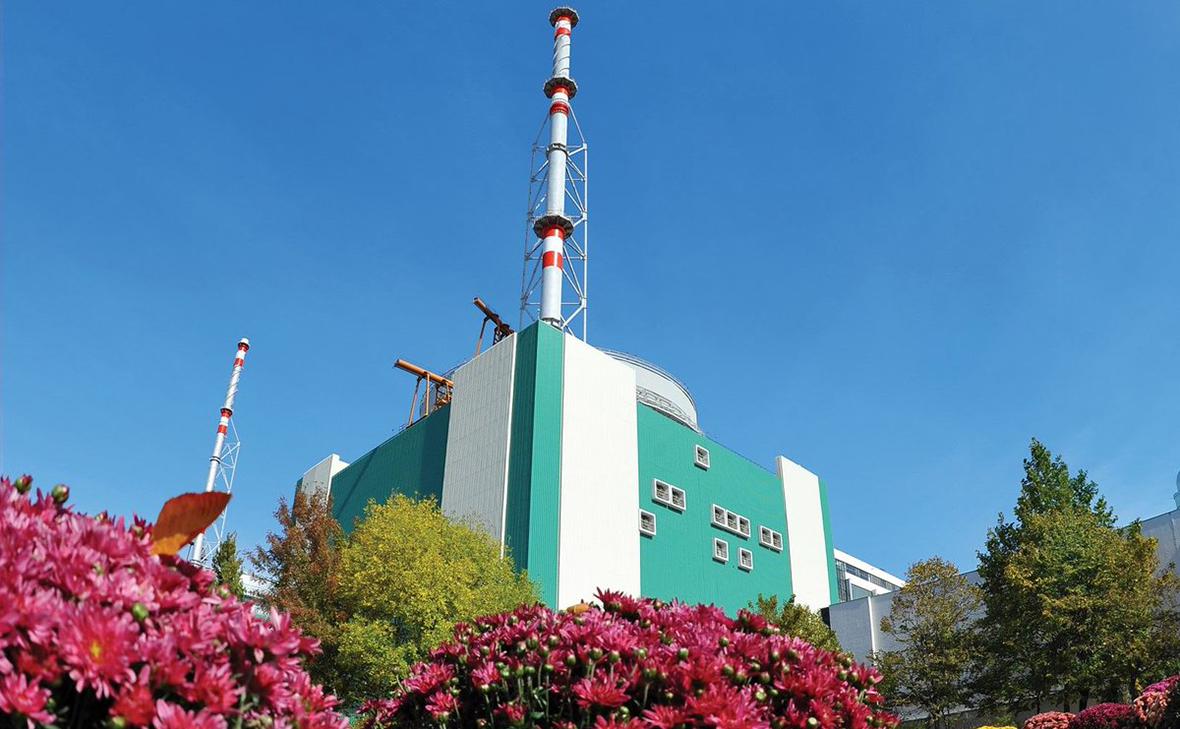
The authorities of Bulgaria have decided to allow the
procurement of certain Russian-made components for the Kozloduy Nuclear Power
Plant — a key pillar of the country’s energy system, accounting for more than
one-third of its total electricity generation. This move represents a
noticeable deviation from the European Union’s strict sanctions policy;
however, officials in Sofia emphasize that it is a limited and necessary
measure driven by technical requirements and safety priorities.
The Kozloduy plant operates Soviet-designed VVER-1000
reactors, whose maintenance and operation require highly specific engineering
solutions and components available only from a limited number of suppliers.
Following 2022, Bulgaria — like several other Eastern European countries — embarked
on a course of diversification, including cooperation with Western companies
and the search for alternative suppliers of nuclear fuel and services. In
practice, however, it has become clear that fully replacing the technological
base requires significant time, financial resources, and complex infrastructure
adaptation, making a rapid disengagement from existing supply chains extremely
difficult.
The authorization to procure Russian components is targeted
and primarily aimed at ensuring the stable and safe operation of the existing
power units. Given the high load on the energy system and the volatility of the
European energy market, even a temporary shutdown of a single reactor could
lead to rising domestic electricity prices, increased dependence on imports,
and additional pressure on the state budget. In this context, the decision
helps minimize economic risks and prevent potential disruptions to energy
supply.
From a geopolitical perspective, Bulgaria is attempting to
strike a balance between adherence to EU sanctions and the protection of its
national interests. Sofia is not abandoning its long-term strategy of reducing
dependence on Russian technologies, but it acknowledges the necessity of a
transition period during which elements of the existing system will remain in
place. This reflects a broader regional trend, where energy security
increasingly requires flexible and pragmatic approaches rather than rigid
alignment with political frameworks.
From an
analytical standpoint, the actions of the Bulgarian authorities appear rational
and justified. In the nuclear sector, safety is paramount, and the use of
proven components reduces the risk of technical failures or accidents.
Moreover, a gradual rather than abrupt transition to new suppliers helps avoid
significant financial losses and preserves operational efficiency. The
continued stable functioning of Kozloduy also strengthens Bulgaria’s energy
sovereignty, reducing reliance on external electricity supplies and maintaining
its role as an important player in the Balkan energy market.
At the same time, the decision carries certain risks, including potential criticism from EU partners and the persistence of partial technological dependence. Nevertheless, under current conditions, Sofia is opting for a managed and gradual transition, seeking to avoid abrupt decisions that could destabilize the energy system. Ultimately, Bulgaria’s approach in this case can be seen as an example of pragmatic energy realism, where short-term flexibility serves as a tool for achieving long-term stability and independence.


 Latest news
Latest news
Latest newsMilitary Parade as a Manifesto: What Armenia Wants to Tell the World on May 28
25.May.2026
The War in Ukraine: The Russian Army is Already Running Out of Steam
25.May.2026
Railway Breakthrough: Armenia Integrates into the Akhalkalaki–Kars Route
24.May.2026
Tbilisi on the Eve of May 26: Independence Day Turns Into a Day of Political Struggle
24.May.2026
The US and Iran Continue Negotiations on a Possible Agreement and Extension of the Ceasefire
23.May.2026
The United States Suspends Participation in Ukraine Negotiations
22.May.2026
Azerbaijan and Georgia Strengthen Strategic Partnership with New Package of Agreements Signed
21.May.2026
Russia and China Strengthen Coordination on Key International Issues
20.May.2026
Beijing’s Hidden Role: Chinese Military Training for Russian Forces Revealed
19.May.2026
Pakistan Delivers Iran’s Revised Proposal to the US to End the War
18.May.2026