
 27 May 2026









The Return of Convicted Individuals from the War: A New Challenge for Russia’s Internal Security
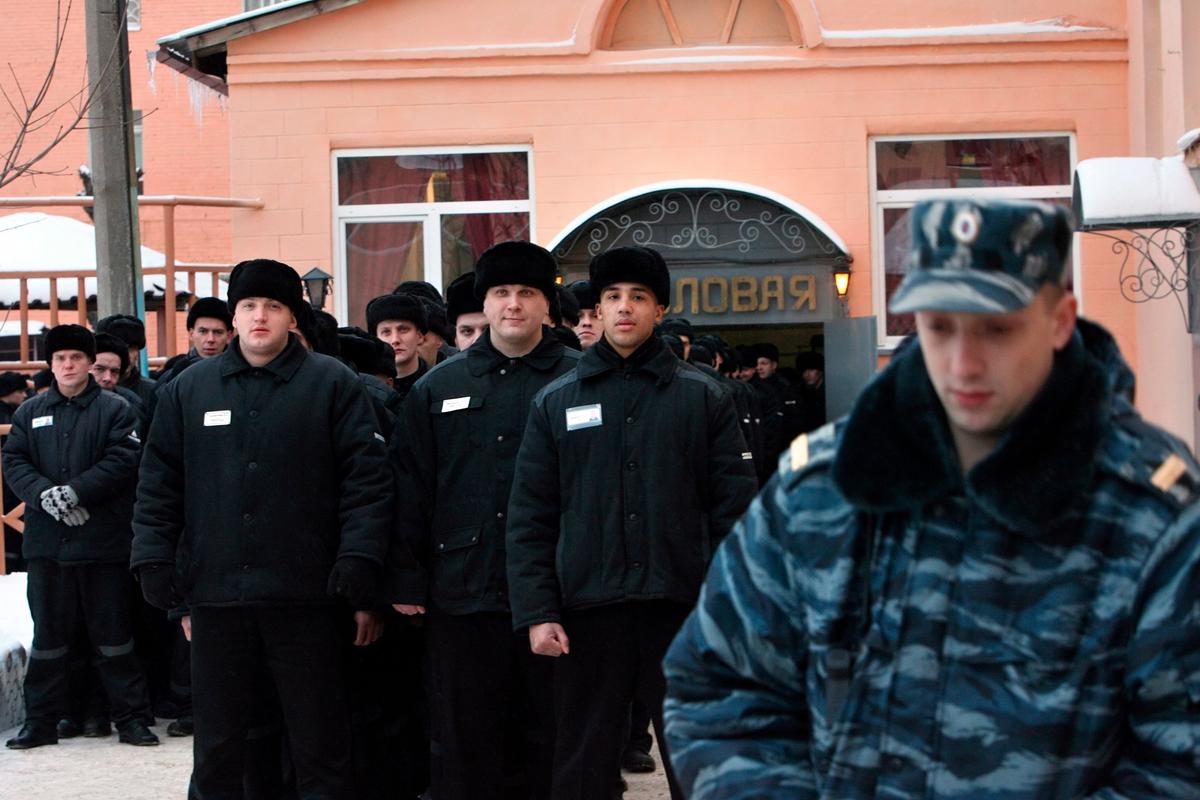
The return of convicted individuals who participated in the
war against Ukraine is gradually becoming one of the most sensitive domestic
issues facing Russia. In recent years, the practice of recruiting prisoners — offering
them pardons in exchange for participation in combat operations — has enabled a
rapid expansion of military units. However, the consequences of this policy are
now beginning to manifest within the country itself. Thousands of individuals
with criminal backgrounds, having gone through the front lines, are returning
to civilian life without a comprehensive system of reintegration.
Authorities have already
acknowledged the scale of the challenge at the official level: a significant
number of individuals with criminal backgrounds are expected to return, placing
additional strain on law enforcement agencies and social services. At the same
time, the problem is not only quantitative but also qualitative — many of these
individuals were convicted of serious crimes, received pardons, and now find
themselves in a new reality where clear mechanisms for control and integration
are lacking.
At the same time, the state
has begun to take steps in response. In March 2026, a government commission
supported an initiative to develop a probation system aimed at the social
reintegration of former prisoners, including those returning from the front.
These measures are expected to help reduce recidivism, promote employment, and
create at least basic conditions for a return to civilian life. However, the
very emergence of such initiatives indicates that the risks are being recognized
at the governmental level.
Independent studies and
journalistic investigations suggest that the issue is already moving beyond the
theoretical stage. Cases of repeat offenses, including violent crimes committed
by former war participants, have been recorded. These include not only
high-profile murders or assaults but also more “typical” crimes such as theft,
fraud, and drug trafficking. This indicates that while the overall structure of
crime remains similar, the level of risk within this group remains elevated.
The situation is further
complicated by the lack of complete and transparent statistics. Official data
does not allow for an accurate assessment of recidivism rates among those
returning from the front, meaning that public discussion is largely based on
individual cases and investigations. Nevertheless, even indirect data suggests
that former combatants with criminal backgrounds are more likely to be involved
in repeat offenses than the average citizen, although this is partly explained
by their pre-war social conditions.
The key issue lies in the
combination of several factors. On the one hand, there is an established
criminal background that does not disappear after participation in combat. On
the other hand, there are the psychological consequences of war, including
trauma, heightened aggression, and difficulties adapting to civilian life.
These are compounded by social challenges such as a lack of stable employment,
low levels of education, and weak social ties. In some cases, experts also
point to the emergence of a sense of impunity associated with receiving a
pardon and participating in the war.
As a result, a specific
high-risk group is emerging that may have a noticeable impact on the country’s
crime situation. For the state, this creates a complex dilemma: on the one
hand, it is necessary to integrate these individuals into society and prevent
their marginalization; on the other hand, it is crucial to minimize threats to
public safety. For now, the primary focus is on developing adaptation and probation
programs, but the effectiveness of these measures remains uncertain, especially
given limited resources and the lack of preparedness of regional
infrastructure.
Thus, the consequences
of military policy are beginning to manifest not only externally but also
within Russia itself. The return of convicted individuals from the front is
becoming a long-term factor that may influence crime rates, social stability,
and the overall atmosphere in society. The more time passes, the clearer it
becomes that this is not a temporary issue but a systemic challenge requiring a
comprehensive and well-considered response.
CCBS Expert Group


 Latest news
Latest news
Latest newsMilitary Parade as a Manifesto: What Armenia Wants to Tell the World on May 28
25.May.2026
The War in Ukraine: The Russian Army is Already Running Out of Steam
25.May.2026
Railway Breakthrough: Armenia Integrates into the Akhalkalaki–Kars Route
24.May.2026
Tbilisi on the Eve of May 26: Independence Day Turns Into a Day of Political Struggle
24.May.2026
The US and Iran Continue Negotiations on a Possible Agreement and Extension of the Ceasefire
23.May.2026
The United States Suspends Participation in Ukraine Negotiations
22.May.2026
Azerbaijan and Georgia Strengthen Strategic Partnership with New Package of Agreements Signed
21.May.2026
Russia and China Strengthen Coordination on Key International Issues
20.May.2026
Beijing’s Hidden Role: Chinese Military Training for Russian Forces Revealed
19.May.2026
Pakistan Delivers Iran’s Revised Proposal to the US to End the War
18.May.2026