
 27 May 2026









Greece Rules Out Participation in Military Operations in the Strait of Hormuz Amid Rising Tensions in the Middle East
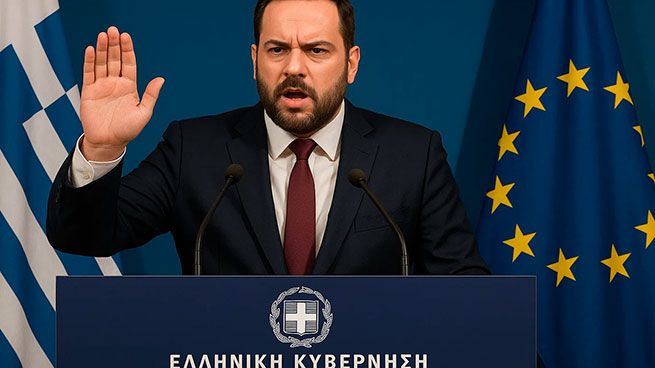
The Greek government has stated that the country will not
participate in potential military operations in the Strait of Hormuz despite
calls from the United States for its allies to help ensure the security of
shipping in the strategically important region. Government spokesperson Pavlos
Marinakis emphasized that Athens does not intend to become involved in combat
operations in the area.
The statement comes amid
escalating tensions in the Middle East and the ongoing confrontation
surrounding Iran, which has already created serious concerns about the safety
of maritime routes through the Strait of Hormuz. This maritime corridor is
considered one of the most important global energy routes, as a significant
share of the world’s oil and gas supplies passes through it. Growing
instability in the region has raised fears about the security of tanker traffic
and the potential increase in global energy prices.
According to representatives
of the Greek government, the country’s role in regional security will remain
limited to the European Union mission Aspides,
which aims to protect commercial vessels in the Red Sea and ensure freedom of
navigation. Athens stressed that the mission is defensive in nature and does
not involve participation in direct military operations against any state.
Greece’s decision also
reflects the broader position of several European countries that are seeking to
avoid direct military involvement in the conflict surrounding Iran. Amid
growing geopolitical tensions, many European governments are attempting to
balance support for the security of international maritime routes with efforts
to prevent further escalation in the Middle East.
Experts note that
Athens’ cautious stance is linked both to the risks of a wider regional
conflict and to economic considerations. Any serious disruption to shipping in
the Strait of Hormuz could affect global energy markets and lead to rising oil
prices, which would directly impact the economic situation in Europe. In this
context, Greece’s decision not to participate in a military operation is seen
as an attempt to maintain diplomatic balance and avoid direct involvement in a
potential escalation.
Researcher and consultant,
Nicholas Georgiou


 Latest news
Latest news
Latest newsMilitary Parade as a Manifesto: What Armenia Wants to Tell the World on May 28
25.May.2026
The War in Ukraine: The Russian Army is Already Running Out of Steam
25.May.2026
Railway Breakthrough: Armenia Integrates into the Akhalkalaki–Kars Route
24.May.2026
Tbilisi on the Eve of May 26: Independence Day Turns Into a Day of Political Struggle
24.May.2026
The US and Iran Continue Negotiations on a Possible Agreement and Extension of the Ceasefire
23.May.2026
The United States Suspends Participation in Ukraine Negotiations
22.May.2026
Azerbaijan and Georgia Strengthen Strategic Partnership with New Package of Agreements Signed
21.May.2026
Russia and China Strengthen Coordination on Key International Issues
20.May.2026
Beijing’s Hidden Role: Chinese Military Training for Russian Forces Revealed
19.May.2026
Pakistan Delivers Iran’s Revised Proposal to the US to End the War
18.May.2026