
 27 May 2026









Russia Warns of a Potential Energy Shock due to Escalation in the Middle East
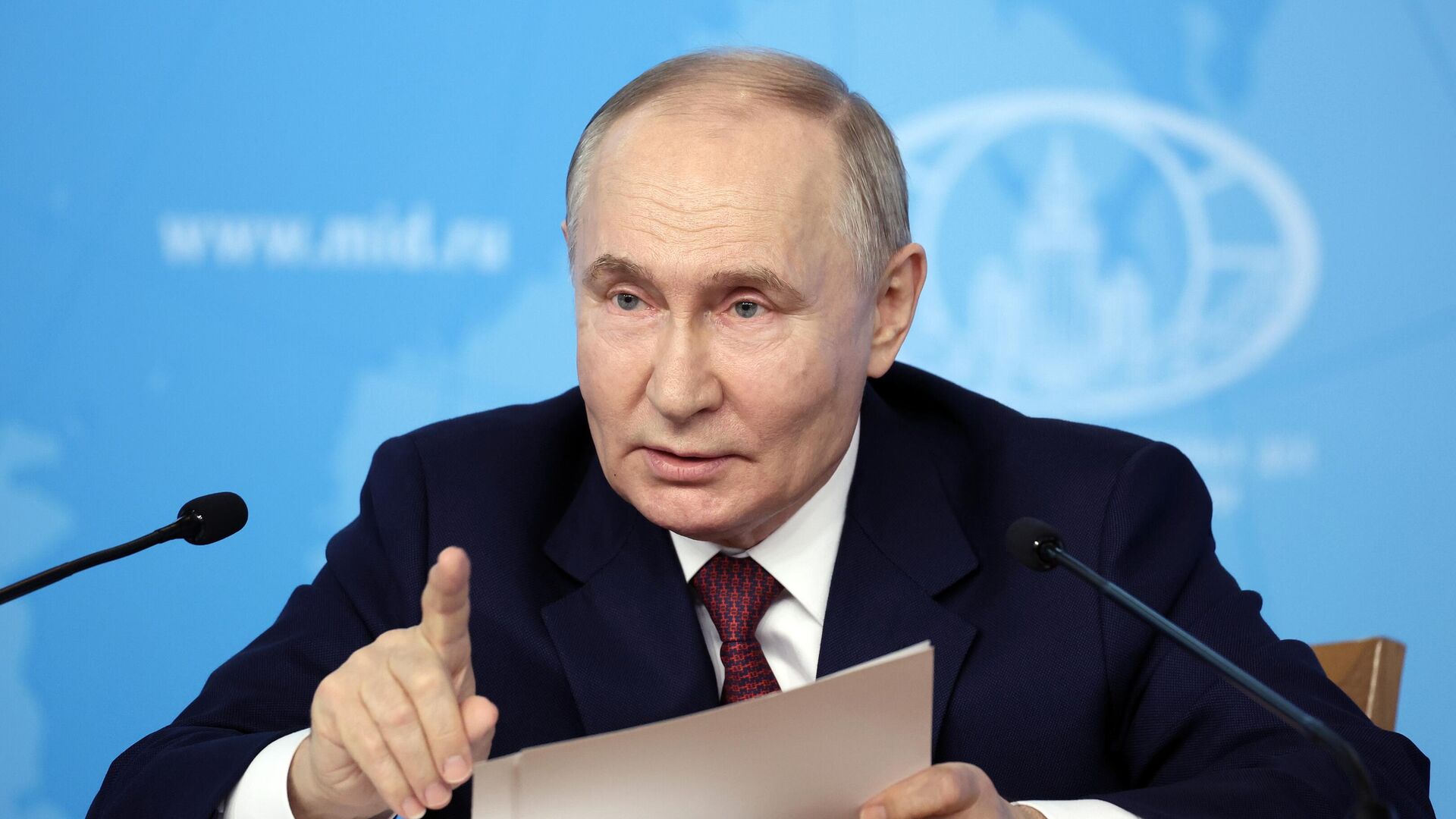
Russian
President Vladimir
Putin stated that the escalation of the conflict around Iran
is already beginning to exert a systemic impact on the global energy market and
could lead to the emergence of a full-scale global energy crisis. The Russian
leader made this statement during a meeting on energy issues, emphasizing that
developments in the Persian Gulf region have direct consequences for the global
economy.
According to Putin, the key factor of instability remains
the situation surrounding the strategically important Strait of
Hormuz—one of the main hubs of global energy logistics. Around
20–25% of the world’s seaborne oil trade and a significant share of liquefied
natural gas supplies from Persian Gulf countries pass through this narrow
maritime corridor. Any disruption to its functioning immediately affects global
energy prices.
Against the backdrop of rising military risks and concerns
about the safety of maritime navigation, global oil prices have once again
exceeded $100 per barrel,
increasing expectations of a new energy shock. Analysts note that the current
price surge is driven not so much by an actual shortage of resources as by a geopolitical risk premium
built into energy prices due to the threat of a possible blockade of the strait
or a broader expansion of the conflict.
In this context, the Russian president stressed that Russia
remains one of the world’s largest suppliers of energy resources and is ready
for pragmatic cooperation with European partners if the European Union
sends the appropriate political signal. According to him, the energy sector
should remain an area of economic rationality rather than an instrument of
political confrontation.
At the same time, Putin noted that following the
introduction of Western sanctions, the structure of Russia’s energy exports has
changed significantly. In recent years, Moscow has rapidly redirected a
substantial portion of its oil and gas flows to Asian markets, primarily China
and India,
which have become key buyers of Russian energy resources. According to him,
this transformation has allowed Russia to adapt to sanctions pressure and
reduce its dependence on the European market.
If tensions around Iran persist or intensify, the situation
in the Strait of Hormuz may become a key factor determining global oil and gas
price dynamics in the coming months. In such a scenario, the energy market
risks facing a new wave of volatility, which could increase inflationary
pressure on the global economy and lead to further politicization of energy
trade.
Experts note that the Kremlin’s
statements reflect a broader strategic line pursued by Moscow: using
instability in the global energy market to strengthen its role as an
alternative supplier and as a tool of geoeconomic influence. Amid rising
tensions in the Middle East, Russia seeks to position itself as one of the few
major players capable of compensating for potential supply disruptions.


 Latest news
Latest news
Latest newsMilitary Parade as a Manifesto: What Armenia Wants to Tell the World on May 28
25.May.2026
The War in Ukraine: The Russian Army is Already Running Out of Steam
25.May.2026
Railway Breakthrough: Armenia Integrates into the Akhalkalaki–Kars Route
24.May.2026
Tbilisi on the Eve of May 26: Independence Day Turns Into a Day of Political Struggle
24.May.2026
The US and Iran Continue Negotiations on a Possible Agreement and Extension of the Ceasefire
23.May.2026
The United States Suspends Participation in Ukraine Negotiations
22.May.2026
Azerbaijan and Georgia Strengthen Strategic Partnership with New Package of Agreements Signed
21.May.2026
Russia and China Strengthen Coordination on Key International Issues
20.May.2026
Beijing’s Hidden Role: Chinese Military Training for Russian Forces Revealed
19.May.2026
Pakistan Delivers Iran’s Revised Proposal to the US to End the War
18.May.2026