
 27 May 2026









Transit and Tact: How Azerbaijan Navigates Regional Tensions
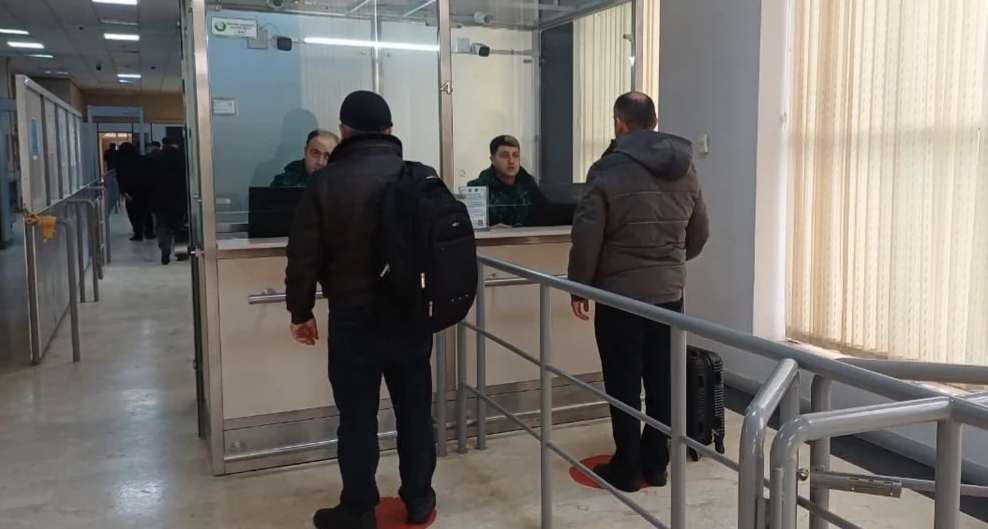
In recent days, Azerbaijan has found itself in a situation requiring careful balancing due to the escalation of the conflict in Iran. The country has adopted a neutral stance while simultaneously facilitating passage through its territory for citizens of third countries, reflecting a pragmatic approach to minimizing risks to its own security. More than 500 people crossed the border today at the Astara checkpoint, including citizens of Russia and other countries, as well as evacuated diplomats from Saudi Arabia and Tajikistan. These actions indicate that Baku is primarily acting as a transit hub, ensuring a safe exit from the risk zone.
 A series of measures implemented at the Astara border crossing amid citizen evacuations
President Ilham Aliyev expressed condolences to the government and people of Iran, while the Azerbaijani Ministry of Foreign Affairs called for maximum restraint and a return to negotiations. However, a key point is Foreign Minister Jeyhun Bayramov’s statement that Azerbaijan will not allow its territory to be used for strikes against Iran. Thus, Azerbaijan seeks to avoid involvement in the conflict and aims to maintain stable relations with its neighbor.
On the surface, this may appear as a humanitarian initiative and a demonstration of regional responsibility, but from a realpolitik perspective, it is a tactic to protect national interests. Azerbaijan aims to maintain control over its borders, avoid endangering its citizens, and limit engagement with key parties to the conflict to prevent becoming a collateral target.
Analysis of recent events shows that in the context of the crisis in Iran, Baku is pursuing a cautious and reactive policy. The country shows no ambition to strengthen its strategic position or play an active role in resolving the conflict. Under current circumstances, Azerbaijan limits itself to supporting humanitarian channels, issuing diplomatic calls for restraint, and clearly designating its territory as off-limits for military operations.
Thus, Azerbaijan’s recent policy reflects a careful maintenance of neutrality and risk minimization for the country and its citizens, rather than the pursuit of a new ambitious geopolitical agenda. Baku’s future involvement in regional processes will depend on how the situation in Iran develops; for now, its strategy remains exclusively pragmatic and defensive.


 Latest news
Latest news
Latest newsMilitary Parade as a Manifesto: What Armenia Wants to Tell the World on May 28
25.May.2026
The War in Ukraine: The Russian Army is Already Running Out of Steam
25.May.2026
Railway Breakthrough: Armenia Integrates into the Akhalkalaki–Kars Route
24.May.2026
Tbilisi on the Eve of May 26: Independence Day Turns Into a Day of Political Struggle
24.May.2026
The US and Iran Continue Negotiations on a Possible Agreement and Extension of the Ceasefire
23.May.2026
The United States Suspends Participation in Ukraine Negotiations
22.May.2026
Azerbaijan and Georgia Strengthen Strategic Partnership with New Package of Agreements Signed
21.May.2026
Russia and China Strengthen Coordination on Key International Issues
20.May.2026
Beijing’s Hidden Role: Chinese Military Training for Russian Forces Revealed
19.May.2026
Pakistan Delivers Iran’s Revised Proposal to the US to End the War
18.May.2026