
 27 May 2026









Russian Foreign Ministry Advises Citizens to Refrain from Traveling to Moldova
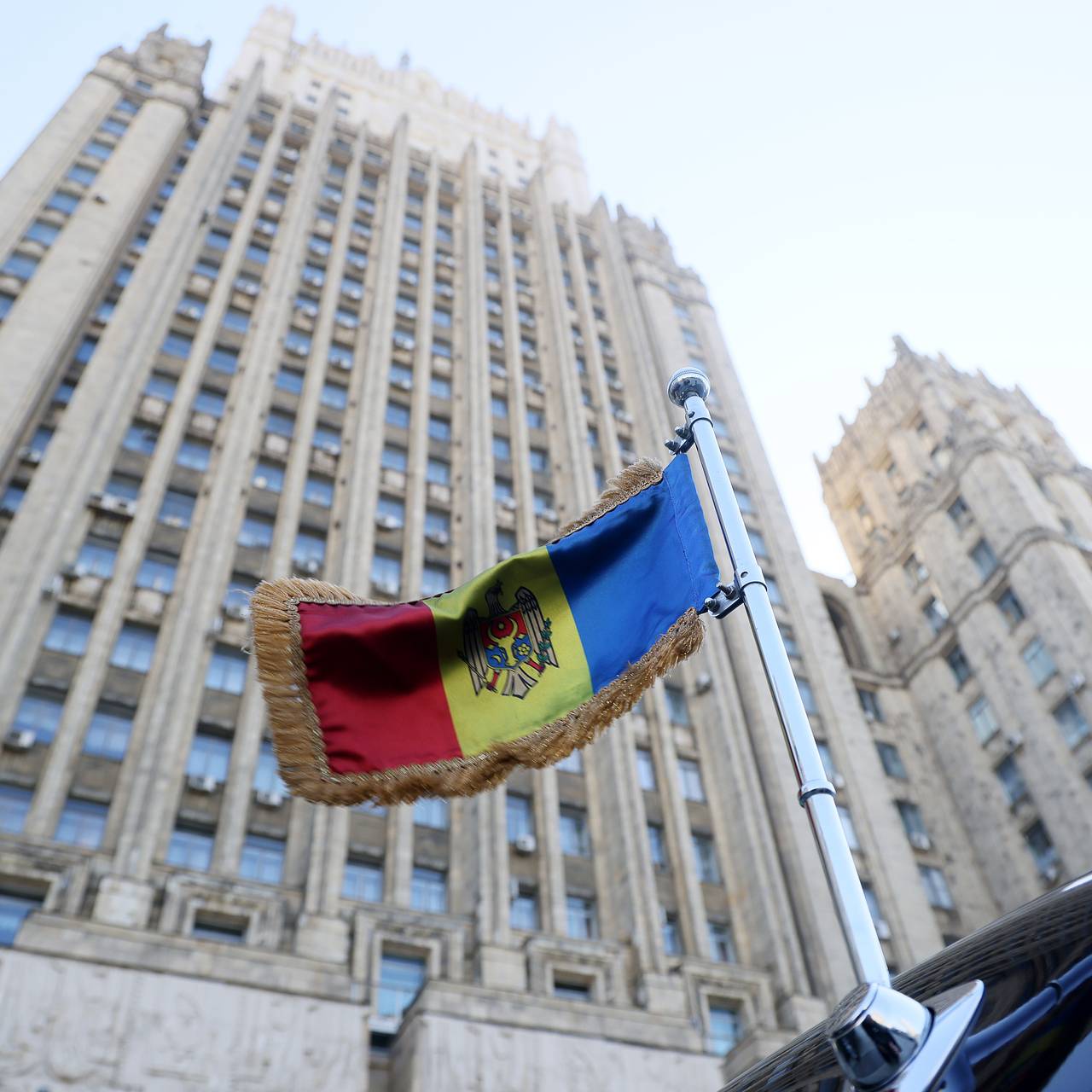
The Ministry of Foreign Affairs of the Russian Federation has issued an official warning advising Russian citizens to refrain from traveling to the Republic of Moldova due to increasing risks when crossing the Moldovan border.
According to the statement, in recent months Russian tourists, business travelers, and private visitors have faced a series of problems at border checkpoints, primarily at Chișinău International Airport. The reported risks include thorough and prolonged inspections, extended stays in transit zones without access to basic amenities, refusals of entry on what are described as unfounded grounds, as well as cases of arbitrary application of the law, detentions, and even criminal prosecution without convincing evidence.

The Russian Foreign Ministry also noted that Moldovan authorities are ignoring requests from Russian diplomatic missions for access to detained Russian citizens, which effectively makes the provision of consular assistance impossible.
“Russian citizens should take these risks into account and, where possible, refrain from traveling to the Republic of Moldova”, a representative of the Russian Foreign Ministry said.
Relations between Russia and Moldova have noticeably deteriorated in recent years. Chișinău has officially pursued a course toward European integration and closer cooperation with the European Union, a direction that is perceived ambiguously in Moscow. In 2025–2026, the two countries undertook reciprocal diplomatic measures, including the expulsion of diplomats and a reduction in the number of Russian consular staff in Chișinău.
Not only Moscow, but also Chișinău has previously advised its citizens to refrain from traveling to Russia, citing the risks of arbitrary arrests and security concerns amid regional instability.
The Russian statement is based on reports of “humiliating treatment” of Russian citizens at the Moldovan border; however, independent external sources have not yet confirmed the systemic nature of such cases at the international level. International organizations and Western media generally classify the situation in Moldova as one requiring an increased level of caution due to the Transnistria conflict and tense foreign policy environment, but not as a direct threat to life.

The Russian Foreign Ministry’s recommendation is not only advice for tourists, but also a diplomatic signal. Such statements usually reflect a broader picture of mutual distrust and may represent an attempt to exert pressure on Moldova or to signal to allies the seriousness of Russia’s claims.
Although legally the recommendation is not restrictive in nature (it is neither a ban nor an official emergency travel warning), many Russians may choose to avoid travel, especially for business, leisure, or family visits. This could negatively affect tourism and business exchanges between the two countries.
Strong statements about the “impossibility of providing consular assistance” constitute a serious reason for caution. Such language is rarely used without substantial grounds, as it effectively points to limitations on the legal protection of citizens abroad. Mutual travel warnings may further intensify the negative public atmosphere in both countries, contributing to growing mistrust and a reduction in people-to-people contacts.


 Latest news
Latest news
Latest newsMilitary Parade as a Manifesto: What Armenia Wants to Tell the World on May 28
25.May.2026
The War in Ukraine: The Russian Army is Already Running Out of Steam
25.May.2026
Railway Breakthrough: Armenia Integrates into the Akhalkalaki–Kars Route
24.May.2026
Tbilisi on the Eve of May 26: Independence Day Turns Into a Day of Political Struggle
24.May.2026
The US and Iran Continue Negotiations on a Possible Agreement and Extension of the Ceasefire
23.May.2026
The United States Suspends Participation in Ukraine Negotiations
22.May.2026
Azerbaijan and Georgia Strengthen Strategic Partnership with New Package of Agreements Signed
21.May.2026
Russia and China Strengthen Coordination on Key International Issues
20.May.2026
Beijing’s Hidden Role: Chinese Military Training for Russian Forces Revealed
19.May.2026
Pakistan Delivers Iran’s Revised Proposal to the US to End the War
18.May.2026