
 27 May 2026









The Use of the “Oreshnik” Missile and a New Phase of Escalation Around Ukraine
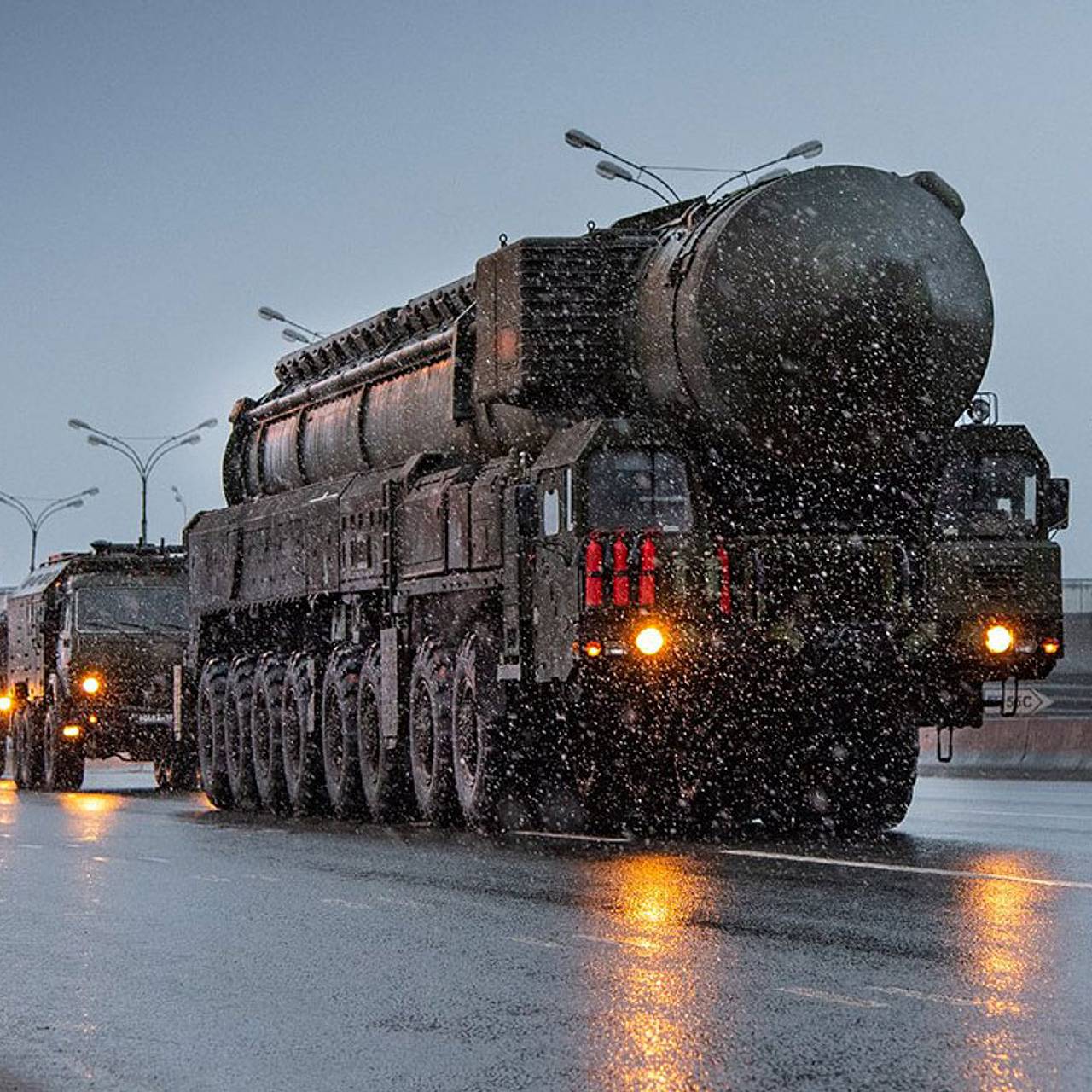
On January 9, the Russian army carried out a large-scale missile strike on Ukrainian territory, during which, according to Moscow, a hypersonic ballistic missile known as “Oreshnik” was used. This marked the first confirmed use of this system in a long time and immediately attracted the attention of military experts and political figures beyond the region. Russia’s Ministry of Defense stated that the attack was a response to an alleged Ukrainian attempt to strike the residence of President Vladimir Putin; however, Kyiv, as well as the United States and a number of European countries, rejected this version, saying they had no evidence to support such a claim.
According to Ukrainian authorities, the main targets were energy infrastructure facilities and transport logistics. In Kyiv and several other cities, disruptions to electricity and heating were reported, which was particularly critical amid winter temperatures. Local administrations reported damage to residential buildings and civilian sites; according to various estimates, several people were killed and dozens injured. International humanitarian organizations note that strikes on energy infrastructure directly affect the civilian population and intensify the country’s humanitarian strain.

The use of the “Oreshnik” missile provoked a sharp reaction in the West. Representatives of the European Union, as well as the governments of the United Kingdom, Germany, and France, described the strike as an escalatory step and condemned the use of a missile capable of carrying both conventional and nuclear warheads, even though in this case it was reportedly equipped with a non-nuclear payload. At the United Nations, Ukraine initiated discussions in the Security Council, insisting that the use of hypersonic weapons poses a threat not only to Ukraine but to European security as a whole.
For its part, Ukraine views the incident as an argument for strengthening air defense and expanding military assistance from its partners. Kyiv is also calling for tougher sanctions pressure on Russia, emphasizing that the use of hypersonic missiles against infrastructure underscores the risk of further escalation of the conflict. Against this backdrop, the situation surrounding the “Oreshnik” strike has become not only a military episode but also an important element of the broader diplomatic and geopolitical confrontation between Russia and the West.
Military analysts largely agree that the practical military impact of the “Oreshnik” strike may be limited, while its political significance is considerably greater. In their assessment, Moscow sought to demonstrate its technological capabilities and send a signal both to Kyiv and to Ukraine’s Western allies, especially amid discussions of possible peace initiatives and further arms supplies. Some experts note that the selection of targets in western regions of Ukraine and their relative proximity to EU borders amplify the effect of such a “warning”.


 Latest news
Latest news
Latest newsMilitary Parade as a Manifesto: What Armenia Wants to Tell the World on May 28
25.May.2026
The War in Ukraine: The Russian Army is Already Running Out of Steam
25.May.2026
Railway Breakthrough: Armenia Integrates into the Akhalkalaki–Kars Route
24.May.2026
Tbilisi on the Eve of May 26: Independence Day Turns Into a Day of Political Struggle
24.May.2026
The US and Iran Continue Negotiations on a Possible Agreement and Extension of the Ceasefire
23.May.2026
The United States Suspends Participation in Ukraine Negotiations
22.May.2026
Azerbaijan and Georgia Strengthen Strategic Partnership with New Package of Agreements Signed
21.May.2026
Russia and China Strengthen Coordination on Key International Issues
20.May.2026
Beijing’s Hidden Role: Chinese Military Training for Russian Forces Revealed
19.May.2026
Pakistan Delivers Iran’s Revised Proposal to the US to End the War
18.May.2026