
 27 May 2026









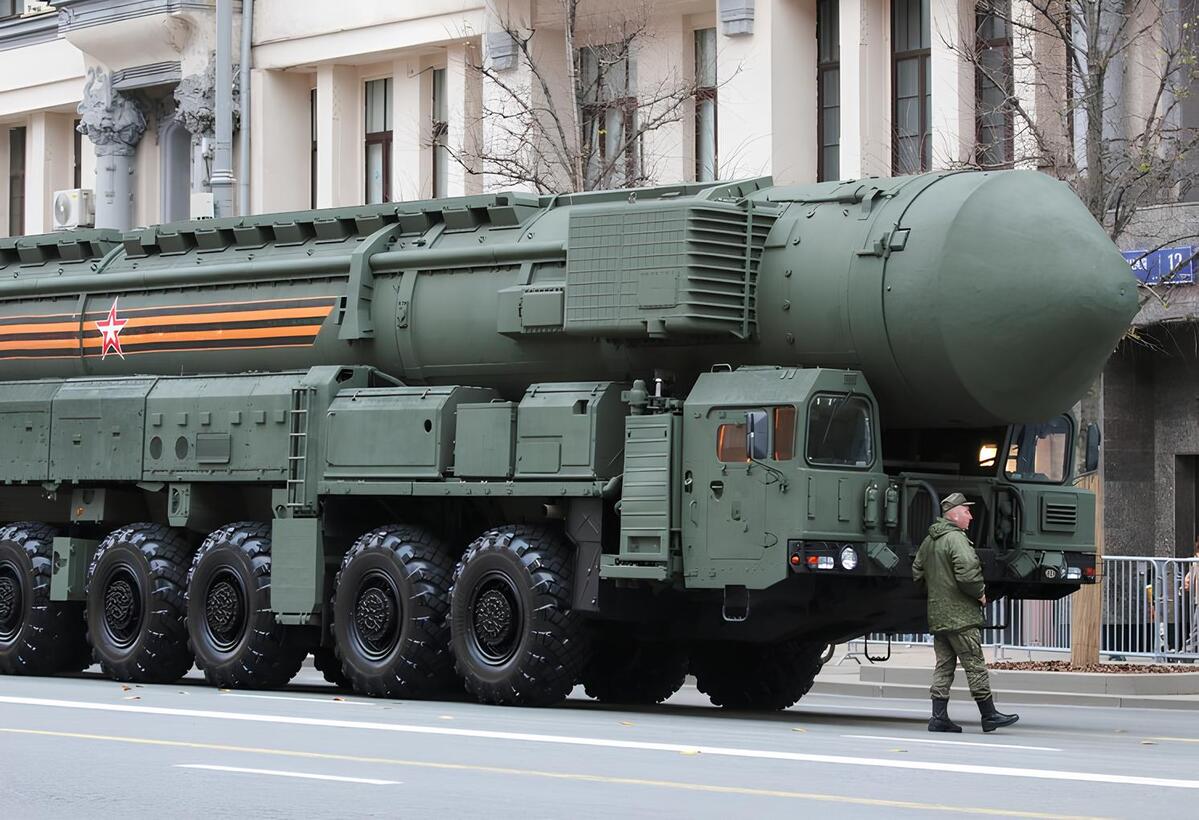
“Oreshnik” as an Argument: The Kremlin Tries to Advance Peace Rhetoric Through a Show of Force
At his annual press conference
in Moscow, President Vladimir Putin once again demonstrated the Kremlin’s
commitment to viewing war as a means of achieving strategic objectives in
Ukraine, claiming that Russia allegedly controls the strategic initiative and
is advancing along the entire front. According to Putin, peace is possible only
on Moscow’s terms, including recognition of the annexed territories and
Ukraine’s refusal of Euro-Atlantic aspirations – positions that Kyiv and its
allies firmly reject.
At the
same time, the Russian military command officially confirmed the formation of a
new brigade equipped with the medium-range missile system “Oreshnik”,
underscoring the evolution of Russia’s armed forces toward enhanced strike
capability. Chief of the General Staff Valery Gerasimov emphasized that the
brigade was created this year and expands the army’s combat potential, which
could alter the balance of forces in certain sectors of the front.
Such a
display of strength and confidence in the success of offensive operations may
be interpreted as a signal not only to Kyiv but also to Western capitals:
Moscow seeks to show that it is ready to increase pressure and expand its
sphere of influence if diplomatic efforts do not lead to an outcome favorable
to Russia. Claims of so-called “strategic initiative” on the battlefield and
advances by Russian forces clash with the reality of a protracted conflict, in
which real territorial changes occur slowly and the accounts of the opposing
sides often diverge.
The
strengthening of Russia’s missile forces through the deployment of the
“Oreshnik” adds another layer to this strategic equation. This system, capable
of carrying both conventional and potentially nuclear warheads and already
being placed on combat duty, alters logistics and operational tactics – at
least in theoretical terms. Its deployment suggests that Moscow is prepared to
invest resources in a long-term confrontation rather than seek a compromise
that would significantly reduce its level of military readiness.
It is
important to understand that rhetoric about “strategic advantage” and future
plans often reflects a desired narrative rather than the objective dynamics of
the fighting. As more than three years of conflict have shown, positions along
the front line change slowly, while the resistance of Ukraine’s armed forces
and their partners remains resilient. In this context, statements about control
and advances may carry more psychological and political weight than indicate
any fundamental shift in the realities on the ground.
Most likely, the current
agenda reflects Moscow’s attempt to strengthen its position both in
negotiations and with its domestic audience – demonstrating strength,
technological progress, and confidence in ultimate success, even as the
conflict in practice remains prolonged and costly.


 Latest news
Latest news
Latest newsMilitary Parade as a Manifesto: What Armenia Wants to Tell the World on May 28
25.May.2026
The War in Ukraine: The Russian Army is Already Running Out of Steam
25.May.2026
Railway Breakthrough: Armenia Integrates into the Akhalkalaki–Kars Route
24.May.2026
Tbilisi on the Eve of May 26: Independence Day Turns Into a Day of Political Struggle
24.May.2026
The US and Iran Continue Negotiations on a Possible Agreement and Extension of the Ceasefire
23.May.2026
The United States Suspends Participation in Ukraine Negotiations
22.May.2026
Azerbaijan and Georgia Strengthen Strategic Partnership with New Package of Agreements Signed
21.May.2026
Russia and China Strengthen Coordination on Key International Issues
20.May.2026
Beijing’s Hidden Role: Chinese Military Training for Russian Forces Revealed
19.May.2026
Pakistan Delivers Iran’s Revised Proposal to the US to End the War
18.May.2026