
 27 May 2026









Germany Strengthens Ukraine’s Air Defense: A Strategic Signal to Moscow and a Test of Western Support’s Resilience
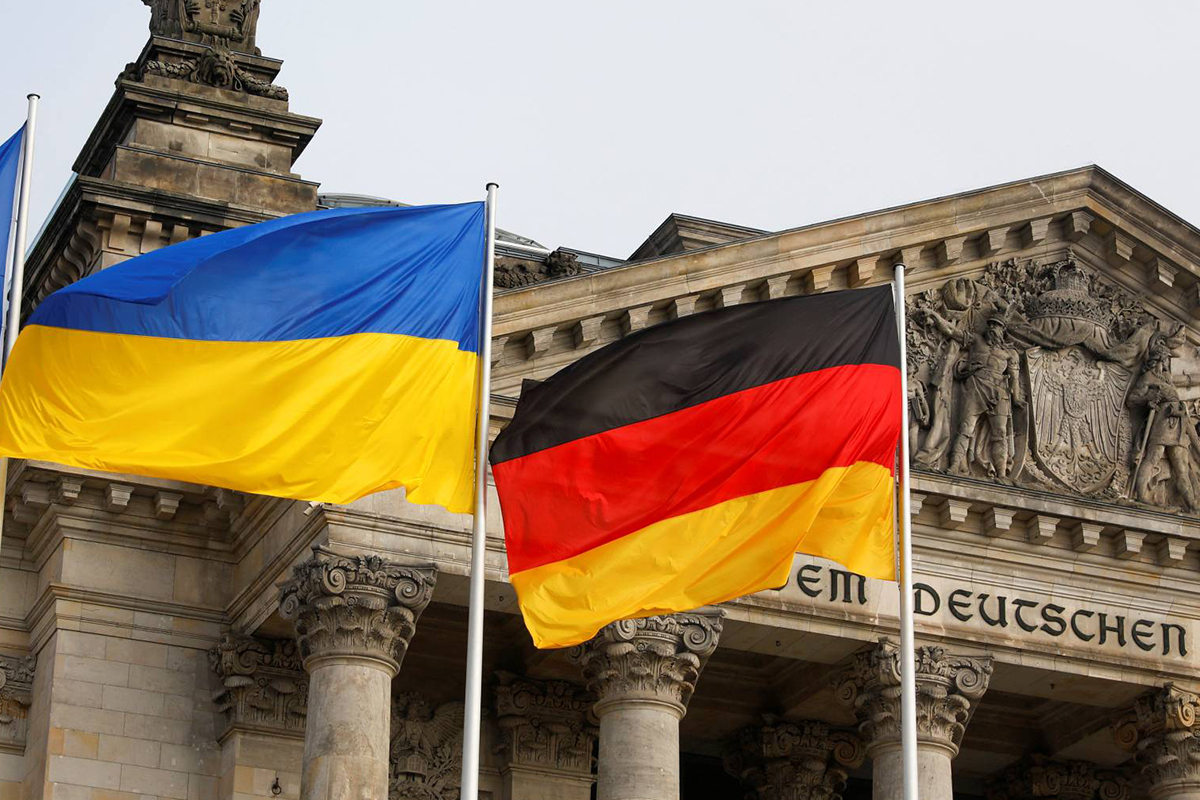
Germany has transferred two Patriot air defense missile
systems and a ninth IRIS-T unit to Ukraine, significantly strengthening the
country’s air defenses amid ongoing Russian attacks. This was announced by
German Defense Minister Boris Pistorius at a meeting of the Ukraine Defense
Contact Group, held as part of the coordination of international assistance.
According to Pistorius, the deliveries were carried out in line with previously
reached expert agreements, and one of the Patriot systems was provided with the
support of Norwegian partners, made possible through bilateral cooperation and
coordination with allies.
The transfer of Patriot and IRIS-T systems represents an
important step in reinforcing Ukraine’s multi-layered air defense architecture.
Patriot systems provide protection against ballistic and aerodynamic threats at
long range, while IRIS-T complexes enhance coverage at medium and short
distances. Germany’s defense ministry also noted that these deliveries are part
of a long-term strategy to support Ukraine, which includes increasing supplies
of weapons and ammunition and further integrating Ukrainian forces into NATO
standards. Looking ahead, Germany plans to expand the stock of interceptor
missiles for the systems already delivered and to continue coordinating
military assistance with other European states.

Against the backdrop of these deliveries, Ukraine’s leading
international partners are holding active consultations on additional aid
packages, including further measures to protect civilian infrastructure and to
restore the energy network damaged by Russian air strikes.
Formally, this marks another stage of military assistance,
but in a broader context the move carries far deeper strategic significance.
From a military perspective, strengthening Ukraine’s air defenses is primarily
aimed at neutralizing missile and drone attacks on energy and critical
infrastructure during the winter period. Patriot remains one of the few systems
capable of effectively intercepting ballistic missiles, while IRIS-T covers
medium and short ranges, creating a multi-layered “shield” over major cities
and energy facilities.

This is not merely about the number of systems, but about
qualitatively complicating the airspace for Russia. The denser and more
technologically advanced the air defense, the higher the cost of each strike
for the attacking side – both financially and operationally.
The transfer of Patriot systems is also a political
decision, not just a military one. Germany, which previously showed caution on
escalation issues, is increasingly positioning itself as one of Europe’s key
security donors to Ukraine. At the same time, Moscow has received a clear
signal that its bet on “Western fatigue” has not yet paid off.
The air defense deliveries are taking place amid intensified discussions on possible peace formats and security guarantees. This underscores a core principle of the Western strategy: negotiations are only possible from a position of strength, not under pressure from missile strikes on civilian infrastructure. Moreover, enhanced air defenses reduce Ukraine’s vulnerability and thereby diminish the levers of military blackmail that Russia traditionally employs during the winter months.
The current phase of assistance to Ukraine indicates a shift
in Western policy from a logic of “reaction” to one of structural deterrence.
This is no longer about one-off deliveries, but about building a sustainable
security system integrated into the broader European security architecture.
At the same time, it is important to recognize that even the
most advanced air defense systems are not a panacea. Their effectiveness
directly depends on the availability of interceptor missiles, logistics, and
timely upgrades. In this regard, the key question for the coming months is whether
the West is prepared to support not only the delivery of systems, but also
their long-term operation.
Nevertheless, the very fact that Patriot systems are being transferred at this moment indicates that Berlin and other European capitals continue to view Ukraine’s security as an integral part of Europe’s overall security, rather than as a temporary crisis on the EU’s periphery.


 Latest news
Latest news
Latest newsMilitary Parade as a Manifesto: What Armenia Wants to Tell the World on May 28
25.May.2026
The War in Ukraine: The Russian Army is Already Running Out of Steam
25.May.2026
Railway Breakthrough: Armenia Integrates into the Akhalkalaki–Kars Route
24.May.2026
Tbilisi on the Eve of May 26: Independence Day Turns Into a Day of Political Struggle
24.May.2026
The US and Iran Continue Negotiations on a Possible Agreement and Extension of the Ceasefire
23.May.2026
The United States Suspends Participation in Ukraine Negotiations
22.May.2026
Azerbaijan and Georgia Strengthen Strategic Partnership with New Package of Agreements Signed
21.May.2026
Russia and China Strengthen Coordination on Key International Issues
20.May.2026
Beijing’s Hidden Role: Chinese Military Training for Russian Forces Revealed
19.May.2026
Pakistan Delivers Iran’s Revised Proposal to the US to End the War
18.May.2026