
 27 May 2026









- Protection of critical infrastructure – including the energy sector, utilities, industry, and major cities. Attacks on the rear have become frequent, prompting a revision of priorities for defending “non-military” facilities.
- Modification of military strategy and tactics – potentially rethinking defensive and counteroffensive operations, improving command flexibility, and enhancing rapid-response capabilities.
- Expansion of modern defense systems – strengthening air defense and missile defense, improving intelligence and counterintelligence capabilities, cyber and information security, and logistics.
- Reallocation of resources and mobilization plans – prioritizing defense needs, optimizing budget distribution, and ensuring long-term sustainability.
- Strengthening international coordination – integrating operational planning with partners, participating in security guarantees, reinforcing logistics and supplies, and improving intelligence sharing.
- Better adaptation to the actual wartime situation rather than outdated scenarios – increasing the chances of protecting civilians and infrastructure.
- More efficient resource allocation – reducing duplication and waste.
- Enhanced defense capability – through new systems, updated priorities, and a more flexible, modern strategy.
- A clear signal to allies – demonstrating that Ukraine is taking defense planning seriously, which could increase international support.
- Psychological impact – reassuring citizens, the military, and partners that Kyiv is not panicking or stagnating but proactively restructuring its strategy.
- Revision requires time and resources – leaving vulnerabilities while the new plan is being drafted.
- Bureaucratic delays – the process may stall, and the new plan could remain “on paper” without real implementation.
- Potential public dissatisfaction – especially if changes require increased mobilization, stricter regulations, or resource reallocation.
- Financial pressure – defense, war, and reconstruction already strain the budget; further reallocations may affect economic stability and social commitments.
- Uncertainty of outcomes – even with an updated plan, the war may continue, and improvements are not guaranteed; much depends on external support, battlefield conditions, and available resources.
Ukraine Updates Its Defense Plan: Why Zelensky Initiated a Large-Scale Revision of the National Security Strategy?
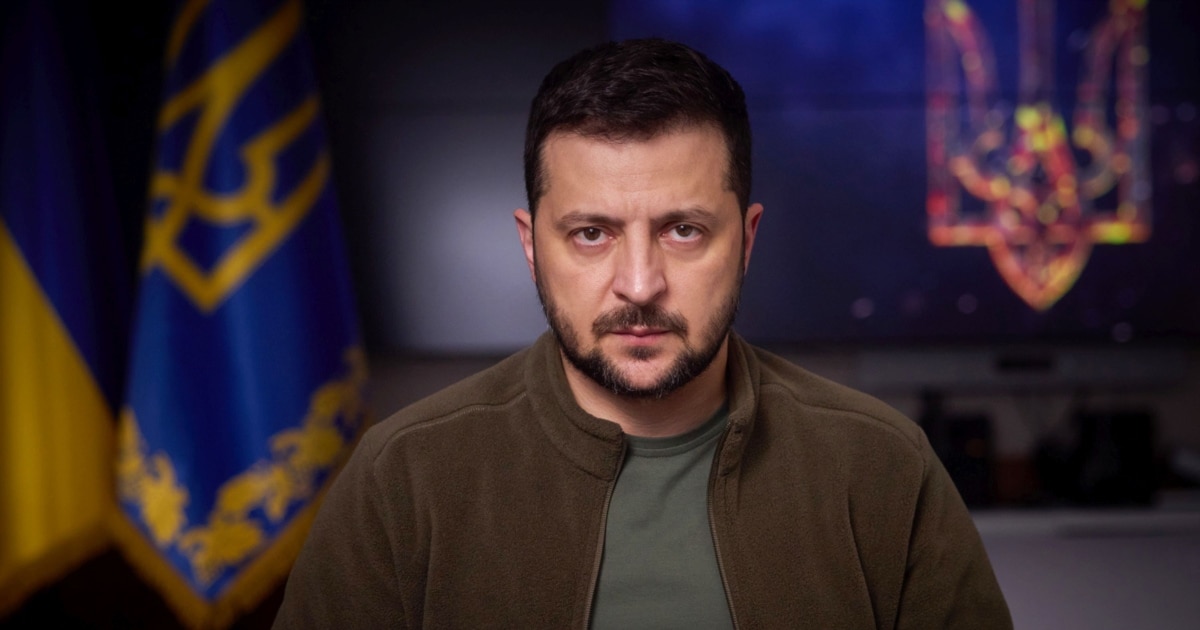
On 29 November 2025, President Volodymyr Zelensky announced, following a briefing from the Ministry of Defense of Ukraine (MoD), that “it is time to revise Ukraine’s core defense documents, including the defense plan.” The MoD received a direct task: Prime Minister Denys Shmyhal must prepare detailed proposals for the updates and present them to the government for approval.
According to Zelensky, “the course of military operations has shown that priorities must change” – meaning that the current plan, approved earlier, no longer reflects the real situation. In other words, this is not a cosmetic adjustment but a comprehensive revision of strategic documents that determine how Ukraine will defend itself, what tasks will be set, how resources will be allocated, and how the state will respond to emerging threats.
Recent mass attacks – including the large-scale strike on the capital involving hundreds of drones and dozens of missiles, resulting in destruction of civilian and energy infrastructure and many casualties – demonstrate a sharp escalation. This escalation shows that previous scenarios (on which the old plan was based) are no longer sufficient; the country must account for more severe, flexible, and adaptive conditions.
According to the MoD, the planned changes must consider not only ongoing hostilities but also the protection of civilian infrastructure, energy facilities, and a possible strengthening of air defense – all of which require a reconsideration of priorities, resource distribution, and risk assessment. Earlier, Ukraine had already declared its intention to build a “new security architecture” with the support of international partners.
Against the backdrop of international negotiations, proposed peace frameworks, efforts to secure security guarantees, and the mobilization of foreign assistance, the updated defense plan may incorporate external commitments, potential scenarios of international support, and coordination with allies.
Although exact details are still unknown, based on context and public statements, the new plan is likely to address:
Key Focus Areas:
Potential Advantages:
Risks and Challenges:
Ukraine acknowledges that previous strategies no longer work and is preparing to adapt to the new realities of the war. This effort aims to build long-term strategic resilience, strengthen defense, and protect the country. However, success will depend on many factors: political will, public support, available resources, and sustained international assistance. The updated plan is not a guarantee of victory, but it does increase Ukraine’s chances of survival and potential success.
Expert Group CCBS


 Latest news
Latest news
Latest newsMilitary Parade as a Manifesto: What Armenia Wants to Tell the World on May 28
25.May.2026
The War in Ukraine: The Russian Army is Already Running Out of Steam
25.May.2026
Railway Breakthrough: Armenia Integrates into the Akhalkalaki–Kars Route
24.May.2026
Tbilisi on the Eve of May 26: Independence Day Turns Into a Day of Political Struggle
24.May.2026
The US and Iran Continue Negotiations on a Possible Agreement and Extension of the Ceasefire
23.May.2026
The United States Suspends Participation in Ukraine Negotiations
22.May.2026
Azerbaijan and Georgia Strengthen Strategic Partnership with New Package of Agreements Signed
21.May.2026
Russia and China Strengthen Coordination on Key International Issues
20.May.2026
Beijing’s Hidden Role: Chinese Military Training for Russian Forces Revealed
19.May.2026
Pakistan Delivers Iran’s Revised Proposal to the US to End the War
18.May.2026