
 27 May 2026









About 300 Russian soldiers have died not in combat but due to drugs and poor nutrition over the past two years
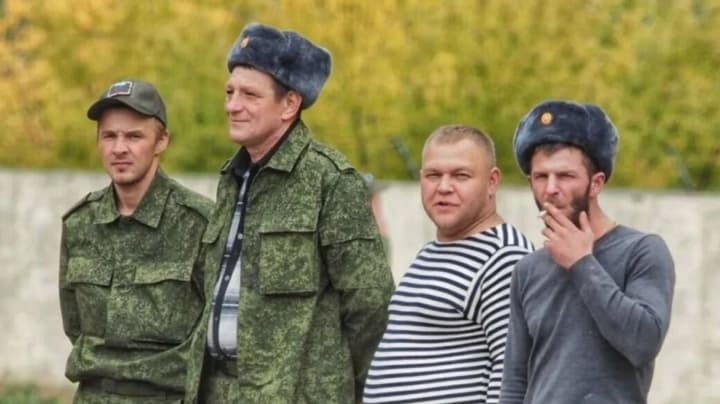
According
to a statement by the Main Intelligence Directorate of Ukraine’s Ministry of
Defense (HUR) dated November 11, 2025, at least 32 Russian soldiers have died from
food poisoning, and another 255 – from drug use and related intoxications over the
past two years.
The Ukrainian intelligence report notes that these
incidents involve troops from Russia’s Central Military District, one of the country’s five
military districts, which covers about 40% of Russia’s population.
Among them, around 112 Russian soldiers died from drug use in the first half
of 2025, and another 143 in 2024. In addition, according to HUR, 157 soldiers from the same district committed suicide during
this period.
As of publication, the Russian Ministry of Defense has not commented on
these claims. The Ukrainian side admits it cannot independently verify all the
figures.
The high rate of non-combat losses – food poisoning, suicides, and drug-related
deaths – may indicate serious internal problems within the Russian Armed
Forces: declining discipline, weak logistical and material support (such as
food supply), and insufficient control over personnel.
The 32 deaths from food poisoning point to possible failures
in supply chains or food quality – particularly alarming if these occurred in
combat or near-frontline zones, where logistics and living conditions are
already difficult. This could mean that even outside direct combat, soldiers
remain in a vulnerable position.
The more than 200 deaths from drug use and overdose reflect not only
disciplinary issues but also deep psychological strain – stress, poor conditions,
and the mental toll of prolonged warfare. Under conditions of heavy workload,
risk, and uncertainty, such numbers suggest significant pressure on personnel.
It is important to note that the data was released by
Ukrainian intelligence and is not independently verified. Some figures may reflect an informational strategy by Ukraine
to highlight weaknesses in the Russian military. The absence of Russian commentary adds
to the uncertainty. However, even if some numbers are exaggerated, the trend – problems
with discipline, logistics, and morale – appears plausible and concerning.
Wars
are not only fought on the battlefield. Non-combat factors – logistics, supply, morale, and
health — often prove decisive. When large military formations face systemic
internal problems, it can alter the course of the conflict. Such indicators weaken
operational effectiveness: troops become demoralized and depleted, and more
resources are spent addressing internal issues rather than combat tasks.


 Latest news
Latest news
Latest newsMilitary Parade as a Manifesto: What Armenia Wants to Tell the World on May 28
25.May.2026
The War in Ukraine: The Russian Army is Already Running Out of Steam
25.May.2026
Railway Breakthrough: Armenia Integrates into the Akhalkalaki–Kars Route
24.May.2026
Tbilisi on the Eve of May 26: Independence Day Turns Into a Day of Political Struggle
24.May.2026
The US and Iran Continue Negotiations on a Possible Agreement and Extension of the Ceasefire
23.May.2026
The United States Suspends Participation in Ukraine Negotiations
22.May.2026
Azerbaijan and Georgia Strengthen Strategic Partnership with New Package of Agreements Signed
21.May.2026
Russia and China Strengthen Coordination on Key International Issues
20.May.2026
Beijing’s Hidden Role: Chinese Military Training for Russian Forces Revealed
19.May.2026
Pakistan Delivers Iran’s Revised Proposal to the US to End the War
18.May.2026