
 27 May 2026









Kazakhstan Strengthens Its Position as a “Middle Power” in Central Asia
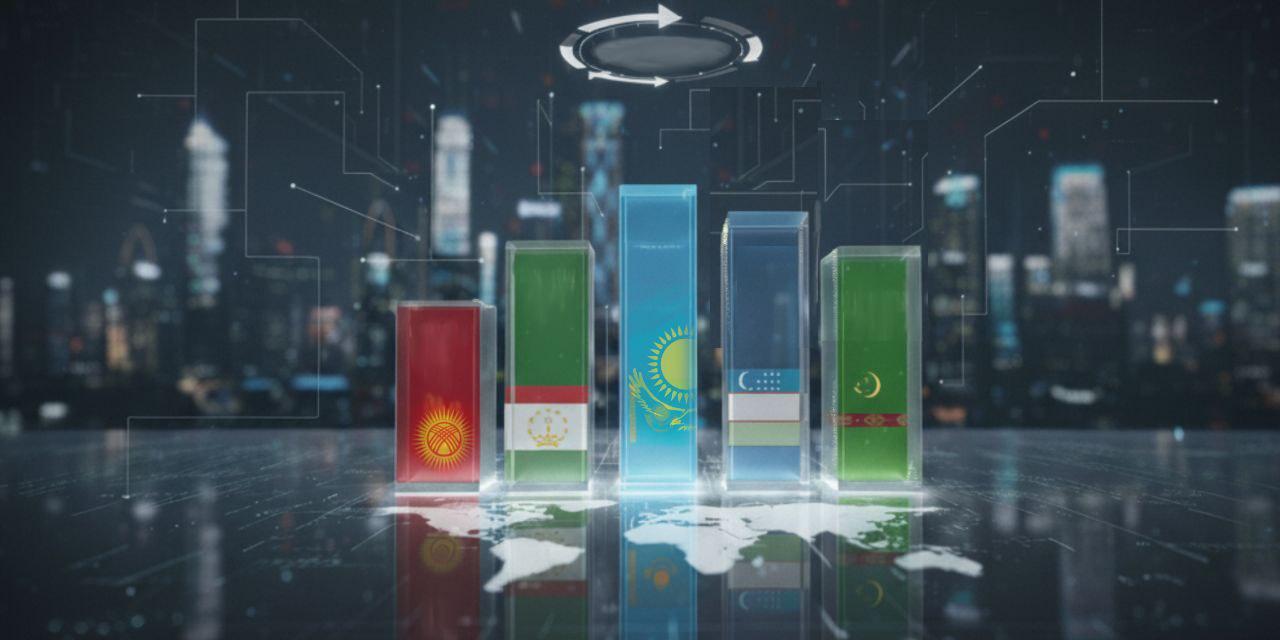
Kazakhstan
continues to consolidate its position as a key “middle power” in Central
Asia. Experts note that the country demonstrates a rare combination of economic independence, diplomatic
flexibility, and institutional resilience, allowing it to maintain a
strategic balance in an increasingly complex geopolitical environment.
In
recent years, Kazakhstan has not only stabilized its macroeconomic situation
but also attracted significant foreign investment. According to the Ministry of
National Economy, the country’s GDP grew by 6.3% in January–September 2025, while inflows of foreign direct investment exceeded USD 28
billion. Key growth sectors include energy, green technologies, agriculture, and digitalization.
 Economists
emphasize that Kazakhstan has managed to reduce its dependence on raw material revenues by actively
developing manufacturing industries and transport infrastructure. Major
initiatives such as the Middle Corridor
and large-scale modernization of transit routes are transforming the country
into a vital link between Europe and Asia.
Economists
emphasize that Kazakhstan has managed to reduce its dependence on raw material revenues by actively
developing manufacturing industries and transport infrastructure. Major
initiatives such as the Middle Corridor
and large-scale modernization of transit routes are transforming the country
into a vital link between Europe and Asia.
“Kazakhstan today demonstrates an example of economic pragmatism, where a multi-vector policy translates into tangible results – from investment to technological cooperation”, said political analyst and regional expert Aidar Smagulov.
On
the foreign policy front, Kazakhstan maintains a balanced neutrality and an active diplomatic agenda. The country
sustains partnerships with Russia,
China, the United States, and the European Union, while simultaneously
strengthening cooperation with Turkey,
the Gulf States, and South Asia.
Regular
participation in international platforms – including the UN, SCO, OIC, and the C5+1 format –
underscores Kazakhstan’s growing role in shaping a multipolar regional order.
“Kazakhstan does not seek geopolitical dominance but relies on soft power – dialogue, mediation, and economic initiatives – to strengthen regional stability”, emphasized international relations expert Damir Kairbekov.
Kazakhstan’s
domestic stability largely stems from gradual
reforms aimed at modernizing public administration and enhancing
institutional transparency. President Kassym-Jomart
Tokayev has repeatedly stated that the key priority is building “a
strong state with a responsible society”.
Recent
initiatives – including judicial
reform, digitalization of public services, and the development of “open
government” mechanisms – have helped strengthen public trust and
improve institutional efficiency.
Experts agree that Kazakhstan is steadily transforming into a pillar of regional stability – a state capable of reconciling national interests with global challenges. In the evolving architecture of world politics, Kazakhstan is increasingly perceived as a “middle power” with global ambitions, capable of shaping the agenda rather than merely responding to it.
Expert Group CCBS


 Latest news
Latest news
Latest newsMilitary Parade as a Manifesto: What Armenia Wants to Tell the World on May 28
25.May.2026
The War in Ukraine: The Russian Army is Already Running Out of Steam
25.May.2026
Railway Breakthrough: Armenia Integrates into the Akhalkalaki–Kars Route
24.May.2026
Tbilisi on the Eve of May 26: Independence Day Turns Into a Day of Political Struggle
24.May.2026
The US and Iran Continue Negotiations on a Possible Agreement and Extension of the Ceasefire
23.May.2026
The United States Suspends Participation in Ukraine Negotiations
22.May.2026
Azerbaijan and Georgia Strengthen Strategic Partnership with New Package of Agreements Signed
21.May.2026
Russia and China Strengthen Coordination on Key International Issues
20.May.2026
Beijing’s Hidden Role: Chinese Military Training for Russian Forces Revealed
19.May.2026
Pakistan Delivers Iran’s Revised Proposal to the US to End the War
18.May.2026