
 27 May 2026









- redirecting
oil and gas exports to Asian markets;
- strengthening
domestic production of critical technologies;
- establishing
parallel financial mechanisms for settlements with partners in yuan, dirhams, and rupees.
Russia Responds to New Western Sanctions: Moscow Declares Readiness for Prolonged Pressure
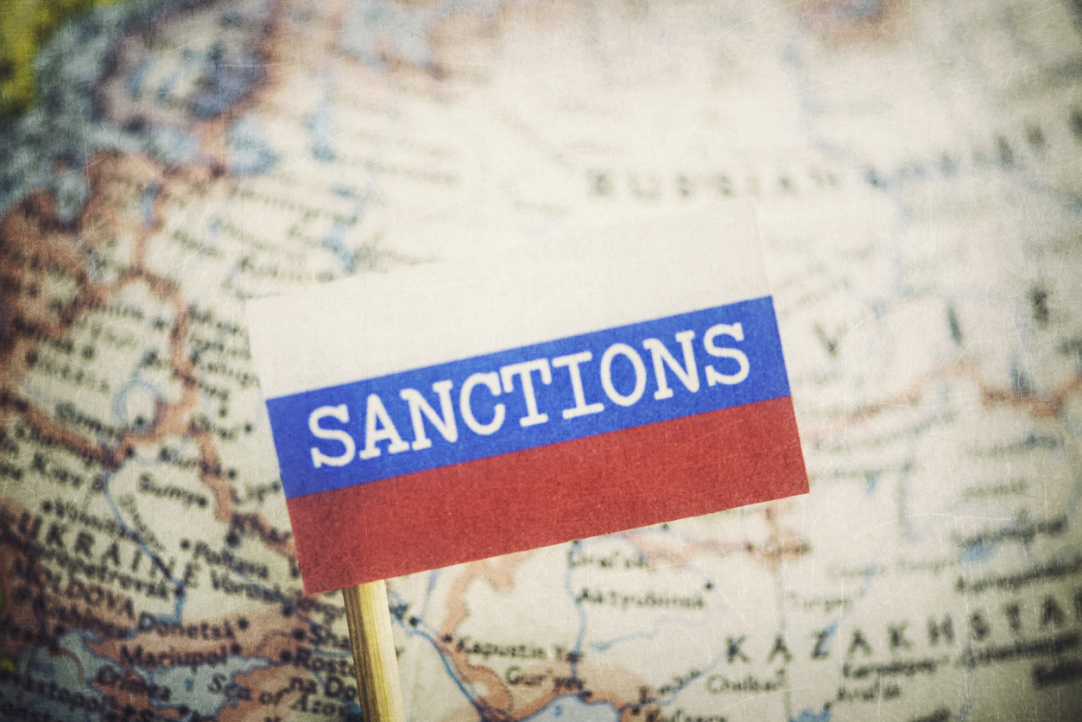
Russian
President Vladimir Putin stated
that the country will not yield to external pressure despite the new sanctions
imposed by the United States,
the European Union, and several
allied nations. According to the Russian leader, “no restrictions can undermine Russia’s economic stability or its
political sovereignty”.
It
should be noted that the new Western measures are primarily aimed at the energy sector. The U.S. and the EU
have intensified sanctions against Russian oil companies, while the European
Union has officially approved the 19th
sanctions package, which includes a phased ban on the import of liquefied natural gas (LNG) as well as
restrictions on the financial and
technological sectors.
These
steps are intended to further reduce Russia’s revenues from energy exports,
which still make up a significant share of the state budget.
Vladimir
Putin described the new measures as “unfriendly
and counterproductive”, emphasizing that “pressure only strengthens the internal consolidation of society and
stimulates the development of independent technological solutions”.
Russian officials also stated their intention to expand economic ties with Asia, the Middle East, and Africa to
offset the losses caused by Western sanctions.
The
U.S. administration maintains
that the restrictive measures will be “long-term
and targeted”, aiming to deprive Moscow of the technological and
financial resources needed to continue the war in Ukraine.
While
the EU is gradually reducing its dependence on Russian energy, disagreements
persist within the bloc over a complete LNG ban. Some countries, including Hungary and Slovakia, are calling for a gradual transition, fearing energy
shortages during the winter period.

Analysts
note that the adoption of the 19th sanctions package marks a shift from
“selective” measures to structural
pressure designed to limit Russia’s economic capabilities over the long
term. However, over the past two years, Moscow has adapted to the sanctions
environment by:
Economists
suggest that the short-term impact of the sanctions will be moderate, but in
the long run, restrictions in the technology sector may slow the modernization
of Russian industry and energy.
The new sanctions intensify the economic standoff between Russia and the West, pushing the conflict into a deeper phase – a struggle for economic resilience and technological independence. Moscow continues to demonstrate readiness for prolonged isolation, while the West seeks to balance political pressure with its own economic interests.


 Latest news
Latest news
Latest newsMilitary Parade as a Manifesto: What Armenia Wants to Tell the World on May 28
25.May.2026
The War in Ukraine: The Russian Army is Already Running Out of Steam
25.May.2026
Railway Breakthrough: Armenia Integrates into the Akhalkalaki–Kars Route
24.May.2026
Tbilisi on the Eve of May 26: Independence Day Turns Into a Day of Political Struggle
24.May.2026
The US and Iran Continue Negotiations on a Possible Agreement and Extension of the Ceasefire
23.May.2026
The United States Suspends Participation in Ukraine Negotiations
22.May.2026
Azerbaijan and Georgia Strengthen Strategic Partnership with New Package of Agreements Signed
21.May.2026
Russia and China Strengthen Coordination on Key International Issues
20.May.2026
Beijing’s Hidden Role: Chinese Military Training for Russian Forces Revealed
19.May.2026
Pakistan Delivers Iran’s Revised Proposal to the US to End the War
18.May.2026