
 27 May 2026









Pashinyan: Armenia, Azerbaijan, and Georgia should use global attention to turn the South Caucasus into a key transit hub
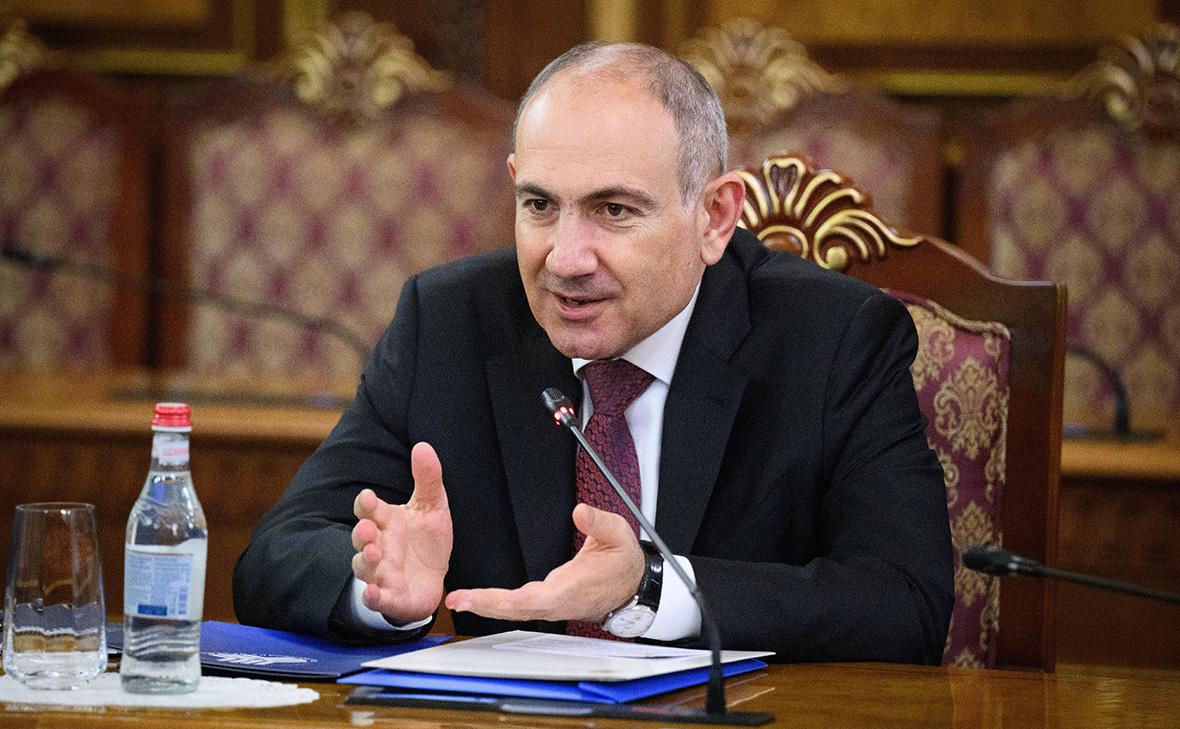
Speaking at the Silk
Road 2025 Forum in Tbilisi, Armenian Prime Minister Nikol Pashinyan called on Armenia,
Azerbaijan, and Georgia to jointly harness the current global interest in the
South Caucasus and transform the region into one of the leading transit
corridors between East and West, as well as between North and South.
Pashinyan rejected the notion that infrastructure projects
in the region compete with one another. He emphasized that transportation
routes “complement rather than exclude each other”, thereby enhancing the
region’s overall potential as a major transit corridor. Among the key
priorities, he highlighted the implementation of the third clause of the Washington Declaration, which envisions
establishing a railway connection between the Persian Gulf and the Black Sea, thereby strengthening the transit
potential of not only Armenia but also Georgia and Azerbaijan.
Pashinyan noted that a sustainable peace agreement between Armenia and Azerbaijan is a
fundamental prerequisite for implementing these infrastructure projects. He
stated that work is underway to institutionalize
peace, including preparations for the signing and ratification of the Treaty on the Establishment of Peace and
Interstate Relations, which was initialed in Washington.
The Prime Minister expressed concern that the existing transport networks may not withstand
the expected increase in cargo flows. However, he said this challenge should serve
as an incentive for large-scale development and modernization of roads, ports,
and railways.
Pashinyan emphasized that the attention of the international community is “capital” that the
countries of the region must use wisely to ensure peace, development, and
prosperity.
If the countries truly begin to act in a coordinated manner,
a synergy effect could be
achieved: instead of fragmented routes, an integrated transport network would
emerge, where each corridor strengthens the others. The status of a regional transit hub could attract
investment in logistics, cargo processing, storage facilities, and service
infrastructure – contributing to economic growth in border regions. The South
Caucasus could become a key link
between Asia, Europe, and the Middle East, especially amid global shifts
in supply chains.
Nevertheless, despite a “peace on paper”, many unresolved disputes remain – particularly regarding security and border control. The countries are at different stages of infrastructure development, from road quality to port and rail connectivity. Without coordination, “bottlenecks” may emerge, slowing transit. Moreover, major powers – both regional and global – are interested in controlling transit corridors, which may lead to pressure, competition, and attempts to draw countries into rival alliances. Projects of this magnitude also require significant and sustainable investment, both from national governments and international institutions.


 Latest news
Latest news
Latest newsMilitary Parade as a Manifesto: What Armenia Wants to Tell the World on May 28
25.May.2026
The War in Ukraine: The Russian Army is Already Running Out of Steam
25.May.2026
Railway Breakthrough: Armenia Integrates into the Akhalkalaki–Kars Route
24.May.2026
Tbilisi on the Eve of May 26: Independence Day Turns Into a Day of Political Struggle
24.May.2026
The US and Iran Continue Negotiations on a Possible Agreement and Extension of the Ceasefire
23.May.2026
The United States Suspends Participation in Ukraine Negotiations
22.May.2026
Azerbaijan and Georgia Strengthen Strategic Partnership with New Package of Agreements Signed
21.May.2026
Russia and China Strengthen Coordination on Key International Issues
20.May.2026
Beijing’s Hidden Role: Chinese Military Training for Russian Forces Revealed
19.May.2026
Pakistan Delivers Iran’s Revised Proposal to the US to End the War
18.May.2026