
 27 May 2026









- Financial
burden on the state budget amid pressing needs for
investment in civilian infrastructure;
- Dependence
on the United States as the main supplier of heavy military
equipment;
- Risk
of escalating tensions with Moscow, which views NATO’s military
build-up in the region as a direct threat.
Romania Strengthens Defense Capabilities: Abrams Tanks and Drones with Ukraine
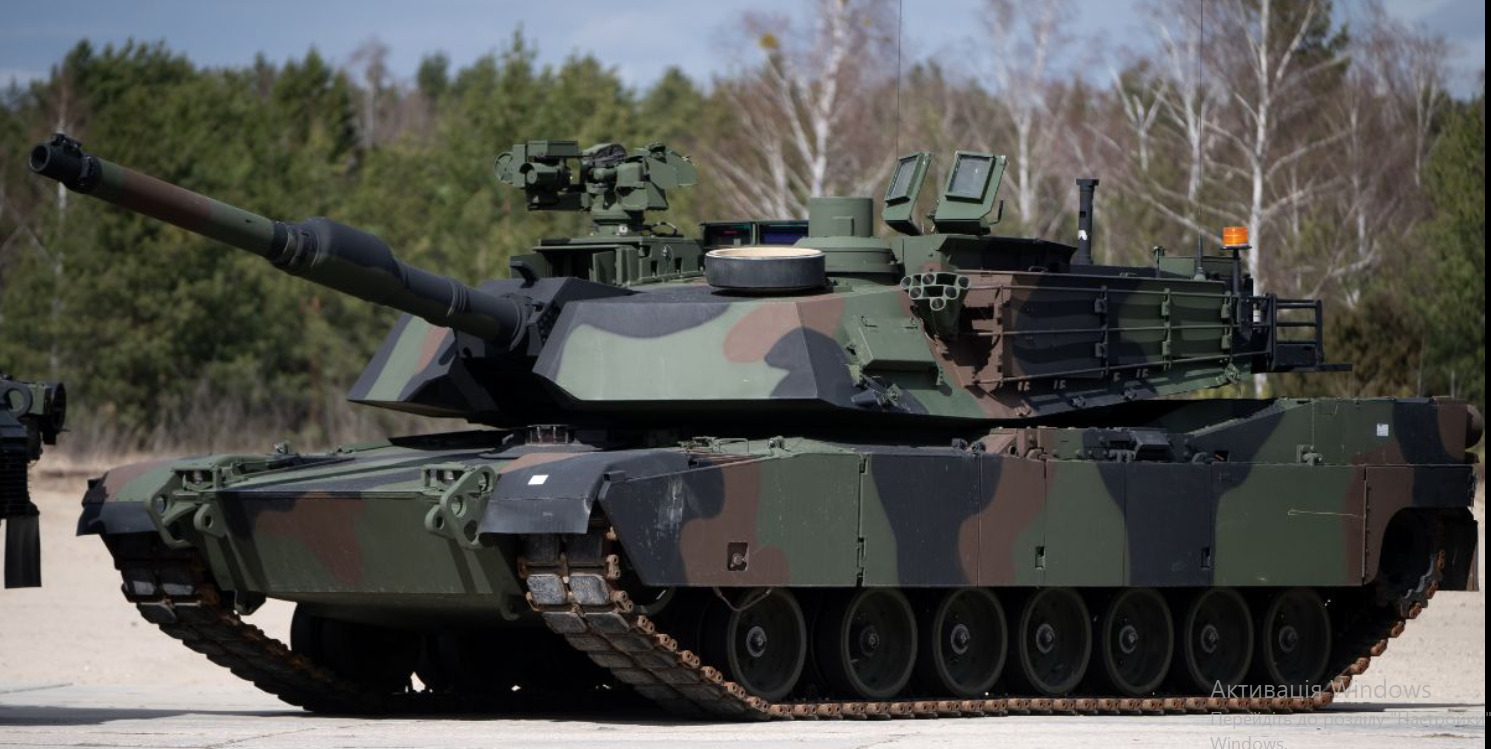
At the end of September,
Romania’s Ministry of Defense submitted a request to parliament for approval of
a major defense contract: the country plans to purchase hundreds of Abrams tanks from
the United States, along with ammunition, spare parts, crew training, and
technical support. The total cost of the program is estimated at $7 billion. At
the same time, Bucharest is holding talks with Kyiv on the joint production of
drones within the framework of the pan-European initiative SAFE, aimed at
accelerating the rearmament of EU member states.
The
choice of Abrams, one of the most powerful Western tanks, demonstrates
Bucharest’s intention to significantly increase the mobility and combat
capability of its ground forces. Abrams will also allow Romania to transition
to U.S. military standards and ensure full interoperability with its NATO
allies.
Although
the deal is burdensome for the budget, it opens the door to long-term contracts
for maintenance and training, while also stimulating the development of
Romania’s own defense industry through cooperation.
Thus, in the context of the ongoing war in Ukraine, Romania – located on NATO’s eastern flank – is reinforcing its readiness for potential threats from Russia and instability in the Black Sea region.
At the same time, Romania is considering the creation of a joint drone production line with Ukraine. Unlike the tank acquisition, this project is innovative in nature and could become a step toward developing Romania’s own high-tech defense industry.

Romania’s
border with Ukraine turns the country into a strategic platform for testing and
producing drones needed both by Kyiv and by EU states. Participation in the
SAFE initiative will allow Romania to apply for EU funding, thereby reducing
its own expenses. In addition, Ukraine’s extensive experience in using drones
on the battlefield, combined with Romania’s production capabilities, could
create a competitive product for the European market.
These
steps fit into Romania’s broader strategy: strengthening defense not only
through purchases but also by developing its industrial base. In essence, the
country seeks to move from the role of consumer to that of producer and
exporter of modern weapons.
However,
a number of challenges remain:
Romania is betting on long-term security, fully aware that NATO’s eastern flank is the front line of risk. Investments in Abrams tanks and drones are not only a defense strategy but also a political signal: Bucharest aims to position itself as a key player in the Black Sea region and as a partner on which both Washington and Brussels can rely.


 Latest news
Latest news
Latest newsMilitary Parade as a Manifesto: What Armenia Wants to Tell the World on May 28
25.May.2026
The War in Ukraine: The Russian Army is Already Running Out of Steam
25.May.2026
Railway Breakthrough: Armenia Integrates into the Akhalkalaki–Kars Route
24.May.2026
Tbilisi on the Eve of May 26: Independence Day Turns Into a Day of Political Struggle
24.May.2026
The US and Iran Continue Negotiations on a Possible Agreement and Extension of the Ceasefire
23.May.2026
The United States Suspends Participation in Ukraine Negotiations
22.May.2026
Azerbaijan and Georgia Strengthen Strategic Partnership with New Package of Agreements Signed
21.May.2026
Russia and China Strengthen Coordination on Key International Issues
20.May.2026
Beijing’s Hidden Role: Chinese Military Training for Russian Forces Revealed
19.May.2026
Pakistan Delivers Iran’s Revised Proposal to the US to End the War
18.May.2026