
 27 May 2026









Baltics Warn: “Russian Occupation Is Never Temporary”
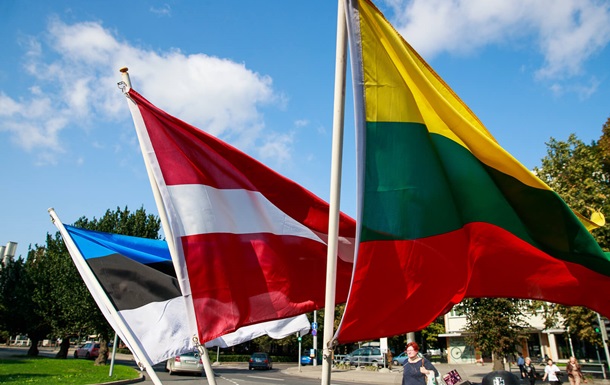
On August 13, 2025, the foreign ministers of Lithuania,
Latvia, and Estonia published a joint op-ed in The Financial Times urging the West to reject any territorial
concessions to Russia in exchange for ending the war in Ukraine.
The diplomats reminded readers that in their countries’
history, the “temporary” occupation by the USSR in 1940 turned into half a
century of repression, deportations, and forced Russification.
“Even with the non-recognition of annexation by the United States and Europe, it did not save our people from tragedy. That is why we know: Russian occupation is never temporary”, the statement reads.
In 1940, the USSR, acting in alliance with Nazi Germany
under the Molotov–Ribbentrop Pact, seized Lithuania, Latvia, and Estonia. The
West formally did not recognize this annexation, but decades of violence and
suppression of national identity became the reality for millions of people.
The Baltic ministers draw a direct parallel with Ukraine, where, in their words, “the occupation is already accompanied by torture, propaganda, abductions, and the forced integration of children”.
It is estimated that around 6 million Ukrainians are under Russian control. In the occupied
territories, there are widespread reports of repression. Abducted children are
being integrated into the Russian educational and cultural system. In addition,
propaganda and censorship have replaced free media.
The stories of Bucha, Irpin, and Mariupol, according to the
diplomats, are “modern analogues” of Stalin’s crimes.
The Baltic ministers call for unity of the transatlantic
community in supporting Ukraine, maximum military and economic assistance, and
investments in Europe’s long-term security.
“Strength is the only language the aggressor understands. Any concessions will only lead to new wars”.
Historically, the Baltic states have viewed Russia as an
existential threat. Their 20th-century experience has shaped an extremely realistic
– and often pessimistic – view of international diplomacy with Moscow.
The Financial Times op-ed is aimed primarily at Western elites, where voices advocating “peace through compromise” are becoming increasingly loud. Lithuania, Latvia, and Estonia, as NATO’s front-line states, fear that allowing territorial concessions in Ukraine will open the way for Russia to test the resilience of NATO’s Article 5. For the Baltics, the war in Ukraine is not a local conflict but a battle for the entire architecture of European security.
14.08.2025 06:06


 Latest news
Latest news
Latest newsMilitary Parade as a Manifesto: What Armenia Wants to Tell the World on May 28
25.May.2026
The War in Ukraine: The Russian Army is Already Running Out of Steam
25.May.2026
Railway Breakthrough: Armenia Integrates into the Akhalkalaki–Kars Route
24.May.2026
Tbilisi on the Eve of May 26: Independence Day Turns Into a Day of Political Struggle
24.May.2026
The US and Iran Continue Negotiations on a Possible Agreement and Extension of the Ceasefire
23.May.2026
The United States Suspends Participation in Ukraine Negotiations
22.May.2026
Azerbaijan and Georgia Strengthen Strategic Partnership with New Package of Agreements Signed
21.May.2026
Russia and China Strengthen Coordination on Key International Issues
20.May.2026
Beijing’s Hidden Role: Chinese Military Training for Russian Forces Revealed
19.May.2026
Pakistan Delivers Iran’s Revised Proposal to the US to End the War
18.May.2026