
 27 May 2026









Washington Prepares Meeting of Armenian and Azerbaijani Leaders: A Peace Breakthrough Amidst New U.S. Strategy
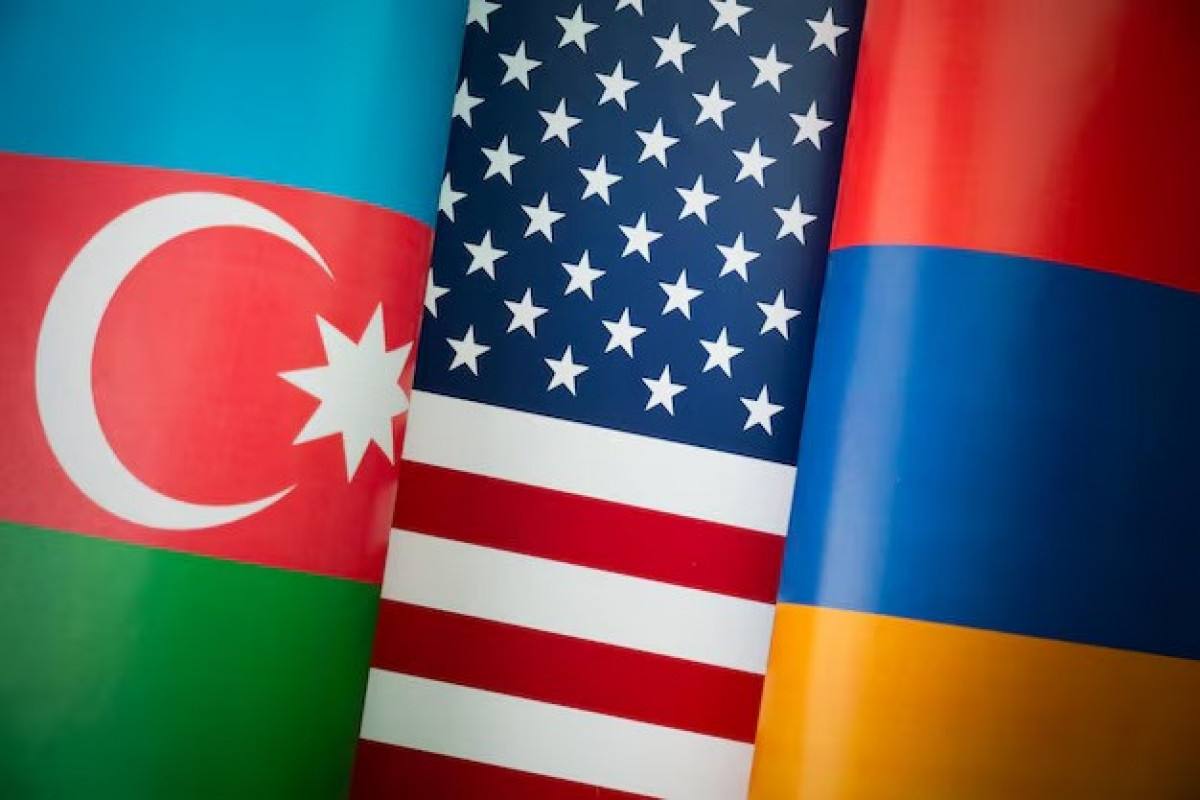
U.S. President Donald Trump is planning to host the leaders
of Armenia and Azerbaijan at the White House on August 8 for the signing of a
memorandum of understanding, which could mark the first step toward a
comprehensive peace agreement between the two countries.
The memorandum will be preliminary in nature, but according
to sources, it includes a number of political and infrastructure-related
agreements, including the unblocking of regional transport routes, security
guarantees, and potential U.S. mediation in the future peace process.
At the same time, the Trump administration is conducting
intensive negotiations on expanding the so-called Abraham Accords – an international diplomatic initiative launched
in 2020 to normalize relations between Israel and Arab countries. This time,
the focus has shifted to Azerbaijan and several Central Asian nations.
A prerequisite for
Azerbaijan’s participation in the new phase of the Abraham Accords is a
peaceful resolution of its conflict with Armenia. The U.S. believes that
resolving Armenian-Azerbaijani tensions will help build a stable regional
architecture, enabling the integration of the South Caucasus into a broader
geopolitical alliance.
Thus, the U.S. is
making a return to the region – after several years of disengagement
from Caucasus affairs, Washington is making a bold diplomatic move by promoting
a peace-oriented agenda instead of relying on sanctions or pressure. This
sharply contrasts with the policy of the previous Biden administration and is
particularly significant against the backdrop of deteriorating
Azerbaijan-Russia relations.
Azerbaijan is a key to Central
Asia and energy corridors: By involving Baku in the Abraham Accords, the U.S. gains
access to the South Caucasus, the Caspian Sea, and indirectly, to Central Asia.
This is seen as a strategic step to counterbalance the growing influence of
China and Iran.
Armenia, in turn, gains new
security levers beyond Russia – as relations with Moscow have worsened, Yerevan is
seeking alternative guarantees. U.S. support is not just symbolic; it
represents a step toward a military-diplomatic realignment.
Iran may view the U.S. activation
and the idea of the Zangezur Corridor as a direct threat to its southern
interests. Iranian officials have already issued warnings that any "extraterritorial
infrastructure" in Armenia could provoke a "harsh response".
Meanwhile, Russia is likely to
interpret this as its displacement from a strategically vital region,
particularly amid its ongoing diplomatic standoff with Azerbaijan.
If the Washington meeting goes ahead and proves successful, we may witness the beginning of a new era in diplomacy in the South Caucasus. The region, long seen as a hotspot of conflict, could be transformed into a zone of cooperation – integrated into international alliances backed by the West and moderate Eastern powers.


 Latest news
Latest news
Latest newsMilitary Parade as a Manifesto: What Armenia Wants to Tell the World on May 28
25.May.2026
The War in Ukraine: The Russian Army is Already Running Out of Steam
25.May.2026
Railway Breakthrough: Armenia Integrates into the Akhalkalaki–Kars Route
24.May.2026
Tbilisi on the Eve of May 26: Independence Day Turns Into a Day of Political Struggle
24.May.2026
The US and Iran Continue Negotiations on a Possible Agreement and Extension of the Ceasefire
23.May.2026
The United States Suspends Participation in Ukraine Negotiations
22.May.2026
Azerbaijan and Georgia Strengthen Strategic Partnership with New Package of Agreements Signed
21.May.2026
Russia and China Strengthen Coordination on Key International Issues
20.May.2026
Beijing’s Hidden Role: Chinese Military Training for Russian Forces Revealed
19.May.2026
Pakistan Delivers Iran’s Revised Proposal to the US to End the War
18.May.2026