
 27 May 2026









- A decline in
industrial production, especially in civilian sectors not linked to
the defense industry.
- A slowdown in
consumer demand — retail trade is stagnating, and Russians are
increasingly forgoing large purchases.
- Persistently high inflation,
exceeding 9.2% since the
beginning of the year, while real household incomes remain under pressure.
- Fiscal consolidation
challenges — the state budget is facing a deficit despite high
export revenues from oil and gas, as spending on the military, social
support, and import substitution continues to grow.
Russia’s Economy Slips into Stagnation — Recession on the Horizon
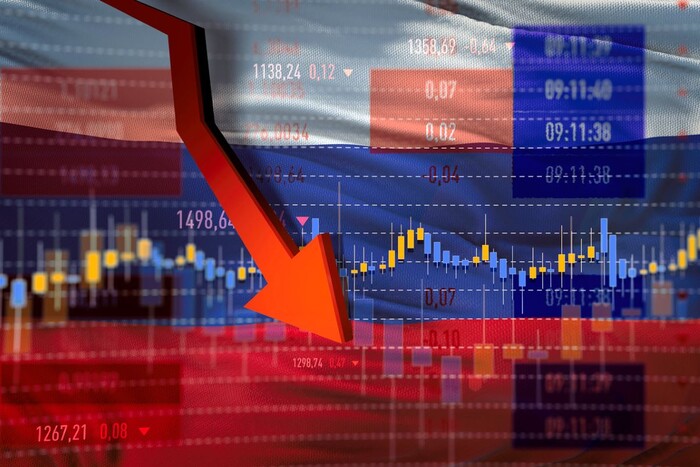
The Russian economy is showing alarming signs of slowdown
and exhaustion of its previous growth model, which was based on mobilization
resources and military spending. This is stated in an analytical article published
by The Wall Street Journal,
citing macroeconomic data and expert assessments.
Key symptoms include:
The Central Bank of
Russia maintains a high key
interest rate of 16.5%, which curbs inflation but also limits private investment. Banks are
reluctant to lend, particularly outside the defense sector, and small and
medium-sized businesses continue to report a lack of accessible financing.
According to WSJ
experts, the Russian economy could enter a technical recession by autumn 2025, unless structural reforms and
an increase in private initiatives are undertaken. The report argues that the “war economy” model, which fueled
growth in 2022–2024 through defense contracts and infrastructure programs, has
run its course.
“Domestic consumption was supposed to replace lost external demand, but the population’s purchasing power hasn’t recovered after the COVID and sanctions shocks”,
says Natalia Orlova, an economist at the University of Economics and Politics in London.
“Russia is caught in a trap of high deficits and low business activity”, adds Michael Lerner, an analyst at WSJ.
Thus, while businesses
are hoping for a rate cut, the Central
Bank has not signaled any easing of its monetary policy. Pressure on the ruble is mounting:
demand for foreign currency is growing on the domestic market, and
international reserves are gradually declining. Fiscal and tax policy
adjustments may follow in the autumn — in the run-up to the 2026 elections.
Source: The Wall Street Journal


 Latest news
Latest news
Latest newsMilitary Parade as a Manifesto: What Armenia Wants to Tell the World on May 28
25.May.2026
The War in Ukraine: The Russian Army is Already Running Out of Steam
25.May.2026
Railway Breakthrough: Armenia Integrates into the Akhalkalaki–Kars Route
24.May.2026
Tbilisi on the Eve of May 26: Independence Day Turns Into a Day of Political Struggle
24.May.2026
The US and Iran Continue Negotiations on a Possible Agreement and Extension of the Ceasefire
23.May.2026
The United States Suspends Participation in Ukraine Negotiations
22.May.2026
Azerbaijan and Georgia Strengthen Strategic Partnership with New Package of Agreements Signed
21.May.2026
Russia and China Strengthen Coordination on Key International Issues
20.May.2026
Beijing’s Hidden Role: Chinese Military Training for Russian Forces Revealed
19.May.2026
Pakistan Delivers Iran’s Revised Proposal to the US to End the War
18.May.2026