
 27 May 2026









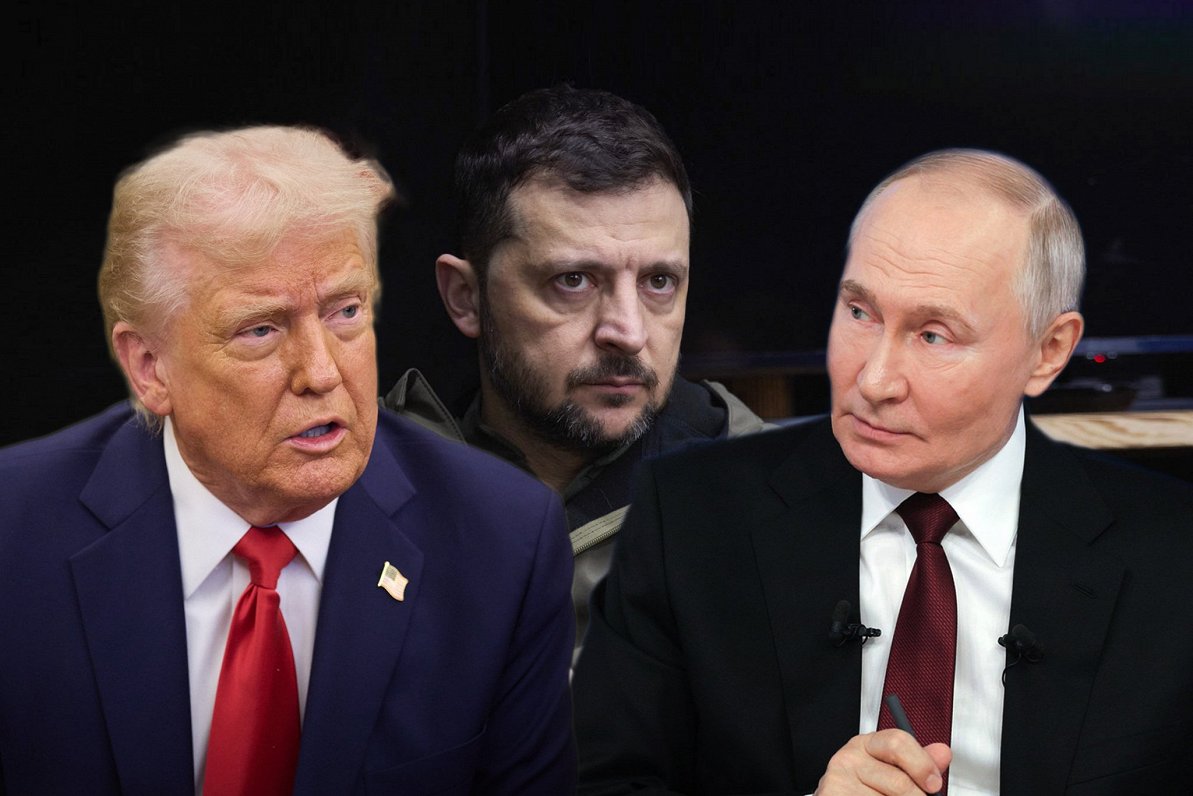
Massive Attack on Ukraine Follows Putin–Trump Call
On
the night of July 3–4, Russian forces launched one of the most massive attacks
since the beginning of the war, firing over 550 kamikaze drones and missiles
across Ukraine, including the capital, Kyiv, and several other major cities.
According to The Guardian, KyivPost, and Sky News, the strikes began shortly after a phone conversation between
Vladimir Putin and Donald Trump on July 3. While the content of
the call has not been disclosed officially, Ukrainian analysts and Western
media are linking the escalation to potential shifts in the U.S. stance on military aid to Ukraine.
As a result of the attacks at least 23
people were killed, dozens were injured, residential buildings and infrastructure were damaged,
including energy facilities, the Polish consulate building in Kyiv was partially
destroyed, prompting a sharp response from Warsaw and the EU’s foreign affairs
bodies.
The
attack involved a coordinated wave of Shahed drones, cruise missiles, and ballistic missiles.
Although Ukraine’s air defense systems managed to intercept a large number of
threats, the sheer scale of the assault was unprecedented, causing
destruction in multiple districts of the capital.
In response, the Ukrainian Armed Forces carried out a precision strike on
a Russian military command post in
the Kursk region. According to The Washington Post and Ukrainian
sources, the strike killed Colonel-General Mikhail Gudkov, one of the key
commanders of Russia’s Western Military District, along with several staff
officers.
The operation was reportedly conducted using long-range combat drones
and was part of Ukraine’s broader campaign to degrade Russia’s logistics, command, and control
infrastructure behind the frontlines.
Military experts view the elimination of Gudkov as a significant tactical victory for
Ukraine, especially amid intensifying battles in Sumy and Kharkiv regions.
In an emergency address to the nation, President Volodymyr Zelensky
stated that “Russia has committed a war crime against civilians”. Poland has demanded official
clarification through diplomatic channels, while the EU and NATO are convening
emergency meetings to address the situation.
This attack occurred against the backdrop of uncertainty surrounding U.S. military aid, which has been temporarily suspended by the Trump administration. In response, Ukraine is stepping up efforts to diversify arms supply lines, working more closely with Europe, Turkey, and Japan, and exploring local defense production options.


 Latest news
Latest news
Latest newsMilitary Parade as a Manifesto: What Armenia Wants to Tell the World on May 28
25.May.2026
The War in Ukraine: The Russian Army is Already Running Out of Steam
25.May.2026
Railway Breakthrough: Armenia Integrates into the Akhalkalaki–Kars Route
24.May.2026
Tbilisi on the Eve of May 26: Independence Day Turns Into a Day of Political Struggle
24.May.2026
The US and Iran Continue Negotiations on a Possible Agreement and Extension of the Ceasefire
23.May.2026
The United States Suspends Participation in Ukraine Negotiations
22.May.2026
Azerbaijan and Georgia Strengthen Strategic Partnership with New Package of Agreements Signed
21.May.2026
Russia and China Strengthen Coordination on Key International Issues
20.May.2026
Beijing’s Hidden Role: Chinese Military Training for Russian Forces Revealed
19.May.2026
Pakistan Delivers Iran’s Revised Proposal to the US to End the War
18.May.2026