
 27 May 2026









Russia And China Biggest Challenges Under Pentagon’s New National Defense Strategy
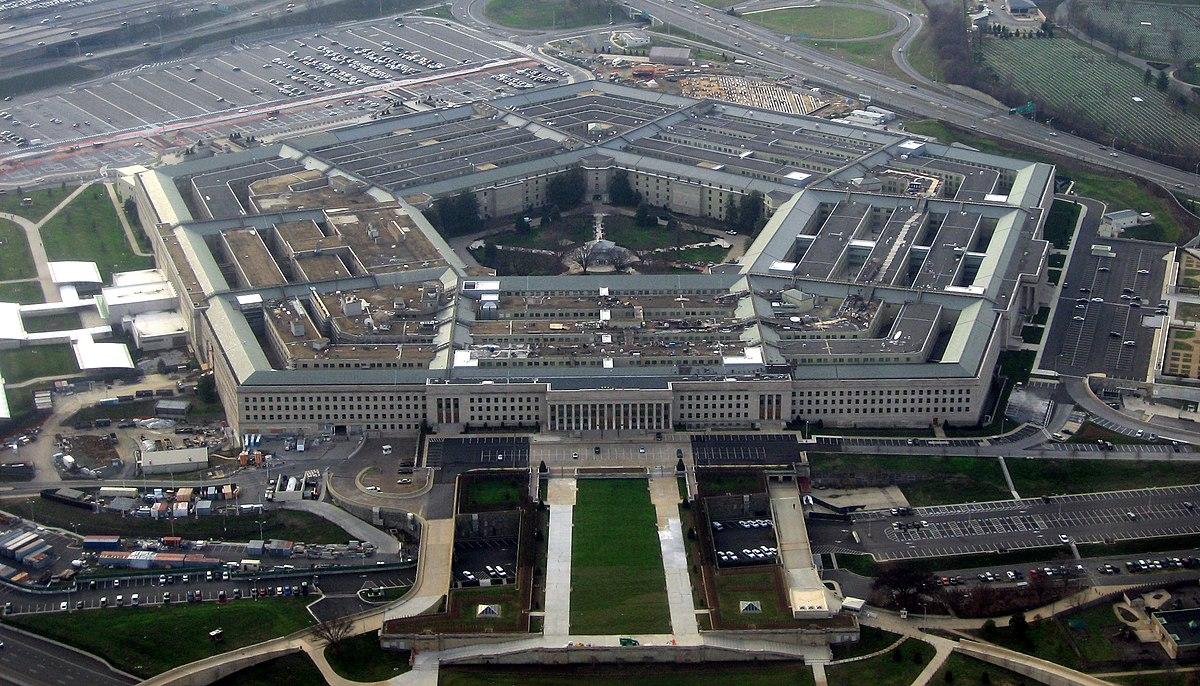
The Biden administration on Thursday rolled out public versions of a series of long-awaited policy reviews — the National Defense Strategy, the Nuclear Posture Review and the Missile Defense Review — outlining a sweeping strategy for U.S. security, seeking more deterrence for a list of threats topped by Russia and China, TURAN's Washington correspondent reports.
The classified version of the administration’s National Defense Strategy was transmitted to Congress this spring outlining priorities, including working with allies and confronting China and Russia.
Producing the documents together on Thursday, the Pentagon chief Lloyd Austin told repprters, "we're seamlessly integrating our deterrence efforts to make a basic truth crystal clear to any potential foe... The truth is that the cost of aggression against the United States or our allies and partners far outweigh any conceivable games."
The 2022 National Defense Strategy, or NDS, places a primary focus on the need to sustain and strengthen U.S. deterrence against China. It also advances a focus on collaboration with a growing network of U.S. allies and partners on shared objectives.
The NDS also takes into account the challenges posed by Russia — especially considering its invasion of Ukraine — along with threats posed by North Korea, Iran and violent extremist organizations.
Both Moscow and Beijing “could use a wide array of tools in an attempt to hinder U.S. military preparation and response in a conflict, including actions aimed at undermining the will of the U.S. public, and to target our critical infrastructure and other systems,” according to the strategy.
The biggest concern appears to be growing nuclear arsenals owned by Russia and China, with the U.S. government betting that its own nuclear capabilities “remain the ultimate backstop for our strategic deterrence.”
Austin said, the Pentagon is “fully committed to modernizing all three legs of our nuclear triad,” referring to the ground-based intercontinental ballistic missiles, bomber aircraft and submarine-launched weapons that all carry nuclear payloads.
The NDS also includes a focus on challenges to security, such as pandemics and climate change. To build an enduring advantage for the U.S, Austin said, the Pentagon is working to further strengthen the foundations of the defense enterprise.
Alex Raufoglu
Washington D.C.


 Latest news
Latest news
Latest newsMilitary Parade as a Manifesto: What Armenia Wants to Tell the World on May 28
25.May.2026
The War in Ukraine: The Russian Army is Already Running Out of Steam
25.May.2026
Railway Breakthrough: Armenia Integrates into the Akhalkalaki–Kars Route
24.May.2026
Tbilisi on the Eve of May 26: Independence Day Turns Into a Day of Political Struggle
24.May.2026
The US and Iran Continue Negotiations on a Possible Agreement and Extension of the Ceasefire
23.May.2026
The United States Suspends Participation in Ukraine Negotiations
22.May.2026
Azerbaijan and Georgia Strengthen Strategic Partnership with New Package of Agreements Signed
21.May.2026
Russia and China Strengthen Coordination on Key International Issues
20.May.2026
Beijing’s Hidden Role: Chinese Military Training for Russian Forces Revealed
19.May.2026
Pakistan Delivers Iran’s Revised Proposal to the US to End the War
18.May.2026