
 17 Oct 2026









NATO top general: The Russian army will be stronger after the war
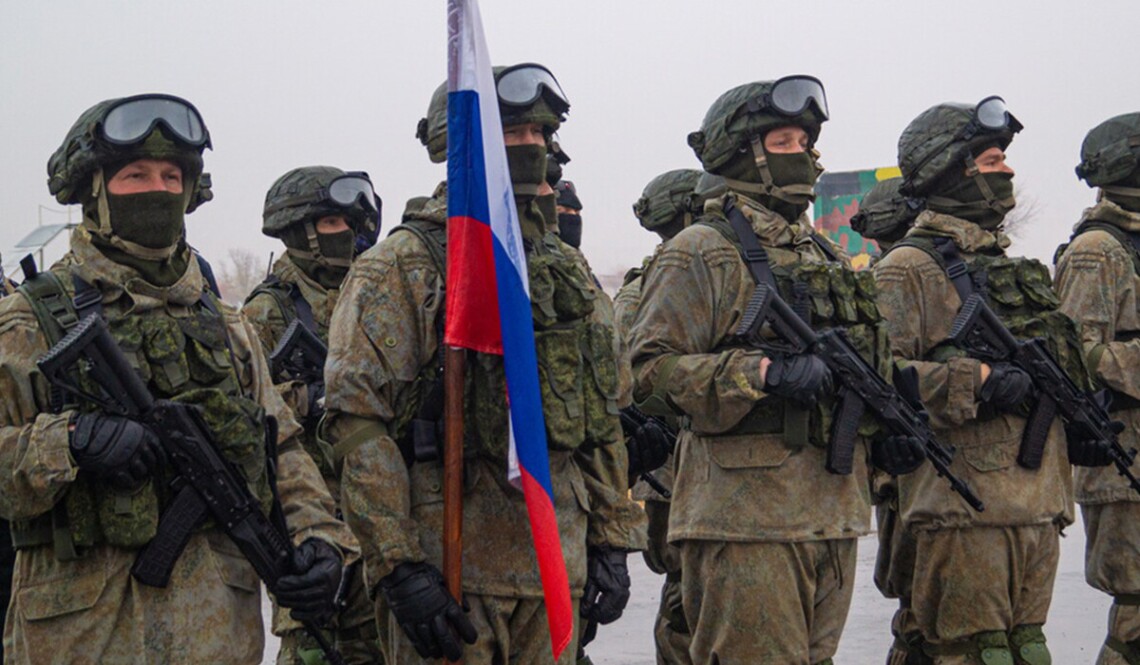
NATO's commander in Europe, General Christopher Cavoli, believes that regardless of the outcome of the war in Ukraine, the Russian army will emerge stronger than it is today. Cavoli warned that Russian military forces will become a dangerous adversary for the Alliance, despite significant losses in the conflict.
"At the end of the war in Ukraine, no matter how it looks, the Russian army will be stronger than today," Cavoli stated. He emphasized that NATO should not harbor illusions about Russia's military strength. "The Russian armed forces are learning, they are improving, and they are applying the lessons of the war," he said.
Cavoli urged NATO to prepare quickly for this threat, as Russia will be an opponent with significant military potential and "clear intentions." "That’s why we must be ready and need armed forces that can counter them," the American general insisted. According to Cavoli, the new defense plans of the Alliance and the resulting additional requirements for individual NATO partners must be implemented swiftly. "When I say quickly, I mean we need to be faster than the Russians," he added.
It's worth noting that the head of Germany's Federal Intelligence Service (BND), Bruno Kahl, believes Russia will be capable of attacking NATO territory within the next six years. Polish President Andrzej Duda also expressed concern that Russia may soon have such military capabilities that it could launch an attack on NATO as early as 2026-27.


 Latest news
Bulgaria Asks NATO to Strengthen Its Defences Amid Black Sea Threats: Sofia Fears Growing Risks to Maritime Shipping
16.Oct.2026
Black Sea Shipping Risks Threaten Bulgaria’s 5 Million Tonnes of Wheat Exports
15.Oct.2026
Georgia’s Foreign Funding and Political Ban Laws Draw Criticism from the Venice Commission
15.Oct.2026
Kazakhstan Promotes a Caspian Green Energy Corridor: Astana Seeks New Routes to the European Market
14.Oct.2026
Inflation in Romania Accelerates to 6.61%: Rising Prices Increase Pressure on Households and the Economy
13.Oct.2026
Can Europe Protect the International Criminal Court from Trump’s Sanctions?
13.Oct.2026
Georgia’s Constitutional Court Continues Case on Banning Opposition Parties: Political Pluralism at Stake
12.Oct.2026
Azerbaijan and Iran Step Up Security Contacts Amid Hijab Protests
12.Oct.2026
Personnel Shortages Complicate Ukrainian Forces’ Rotation: Ukraine Faces Long-Term Challenges on the Front Line
11.Oct.2026
Trump Eases Sanctions on Russian Fuel After Talks with Putin: Kyiv Fears Boost to Moscow’s War Revenues
10.Oct.2026
Putin Seeks to Strengthen Russia’s Influence in the Post-Soviet Space Through the CIS
10.Oct.2026
Russia and the South Caucasus: External Pressure, Political Competition and a Crisis of Trust
10.Oct.2026
Peaceful Settlement Between Armenia and Azerbaijan: Moving from Declarations to Implementation
10.Oct.2026
Moldova Ready to Accept as Many Ukrainians as Necessary if Situation Worsens This Winter
09.Oct.2026
Turkmenistan Turns Avaza into a Regional Diplomatic Hub as Caspian, Central Asian and CIS Agendas Converge
08.Oct.2026