
 17 Oct 2026









Diplomat: Opening of Armenian embassy in Israel 'diplomatically correct step' to avoid vacuum
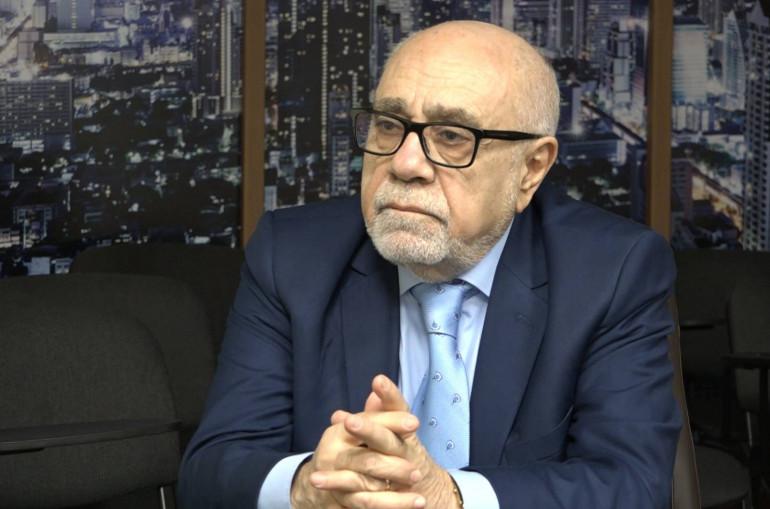
In an interview with Tert.am, Ambassador Arman Navasardyan shared his thoughts over the opening of an Armenian embassy in Israel, describing the plan as a "diplomatically correct step" for boosting the bilateral relations.
The diplomat regretted that Armenia bewared of the Arab World's reaction back in the 1990s and did not move to open embassies in Yerevan and Tel Aviv shortly after proclaiming independence.
In his words, the development of diplomatic ties without having embassies created a kind of "artificial vacuum" which Armenia's neighbors - especially Georgia - "successfully filled" by rapidly expanding their multilateral relations with the State of Israel. Navasardyan also warned of the threats coming from Azerbaijan (which considers Israel a number one ally when it comes to the import of weapons). He highlighted the practical aspect of the relations between states which have entered into a transaction over the sale and purchase of modern weaponry.
"The opening of an embassy is, I think, a correct step. but it is important to also bridge the existing gaps to use - and develop - all the trends and relations potentially offering benefits to Armenia. It is a very wide specter of relationship, as we have a lot to learn from Israel in terms of both high technologies, and the foreign policies with the Diaspora. And it is, by and large, one of the regional states actively developing relations with the Arab world," he added.
Asked to comment on possible speculations by Turkey and Azerbaijan, Navasardyan did not dismiss such a scenario but agreed, at the same time, that it "largely deals with with Armenia's individual diplomacy" and foreign policy attitudes unrelated to third countries.
"If we are developing relations with Israel without counter-opposing them to Iran, the relationship with [both countries] is expected remain on the same high level it used to be (given that we are friendly countries). Hence I believe it is a correct step which was made to amend the big error committed in the past. And it is important to also develop the relations in the right way. The embassy is required to work very actively to develop a multilateral diplomacy with Israel to enable us to gain the right dividends on our way towards resolving the problems," he added.
Navasardyan also called attention to the situation in the south-eastern Mediterranean amid Turkey's attempts to exploit the oil and gas reserves belonging to Greece. Cyprus and partially also Egypt. The diplomat noted the kind of efforts (to resolve problems "by force of arms" and in violation of the 1923 Treaty of Lausanne) causes several superpowers to flex their muscles against the country by moving to create an anti-Turkish bloc.
"France is now drastically against the policies being pursued. Israel is also, to a certain extent, joining the bloc now. Hence if we develop relations with Israel, we can also ally with the countries we maintain positive relations with," he said, emphasizing the geopolitical opportunities and the shared history with the country (including the presence of an Armenian church and the Armenian community in Israel).
Meantime Navasardyan agreed that the opening of an Armenian embassy in Tel Aviv might give Turkey and Azerbaijan a trump card for pushing ahead with their anti-Armenian policies.
Asked to comment on the earlier calls for revising the decision (voiced on the level of the Foreign Ministry spokesperson and several parliament members), the diplomat referred to a recent meeting with the Azerbaijanis in Karabakh and the official statements made by the Islamic Republic. "The Foreign Ministry has quite recently met with the Azerbaijani community in Nagorno-Karabakh; those are phenomena conveying absolutely no message. As for Iran, it perceives the development of relations with Israel as something absolutely normal on the highest state levels. We too, are required to present and explain everything in a correct way. With its policies after all, Azerbaijan is creating a military threat for Iran - together with Israel - using the Israeli equipment and carrying out anti-Iranian and pro-Isreali intelligence operations," he said.


 Latest news
Latest news
Latest newsBulgaria Asks NATO to Strengthen Its Defences Amid Black Sea Threats: Sofia Fears Growing Risks to Maritime Shipping
16.Oct.2026
Black Sea Shipping Risks Threaten Bulgaria’s 5 Million Tonnes of Wheat Exports
15.Oct.2026
Georgia’s Foreign Funding and Political Ban Laws Draw Criticism from the Venice Commission
15.Oct.2026
Kazakhstan Promotes a Caspian Green Energy Corridor: Astana Seeks New Routes to the European Market
14.Oct.2026
Inflation in Romania Accelerates to 6.61%: Rising Prices Increase Pressure on Households and the Economy
13.Oct.2026
Can Europe Protect the International Criminal Court from Trump’s Sanctions?
13.Oct.2026
Georgia’s Constitutional Court Continues Case on Banning Opposition Parties: Political Pluralism at Stake
12.Oct.2026
Azerbaijan and Iran Step Up Security Contacts Amid Hijab Protests
12.Oct.2026
Personnel Shortages Complicate Ukrainian Forces’ Rotation: Ukraine Faces Long-Term Challenges on the Front Line
11.Oct.2026
Trump Eases Sanctions on Russian Fuel After Talks with Putin: Kyiv Fears Boost to Moscow’s War Revenues
10.Oct.2026
Putin Seeks to Strengthen Russia’s Influence in the Post-Soviet Space Through the CIS
10.Oct.2026
Russia and the South Caucasus: External Pressure, Political Competition and a Crisis of Trust
10.Oct.2026
Peaceful Settlement Between Armenia and Azerbaijan: Moving from Declarations to Implementation
10.Oct.2026
Moldova Ready to Accept as Many Ukrainians as Necessary if Situation Worsens This Winter
09.Oct.2026
Turkmenistan Turns Avaza into a Regional Diplomatic Hub as Caspian, Central Asian and CIS Agendas Converge
08.Oct.2026