
 17 Oct 2026









Putin and Pezeshkian Discuss Iran Escalation Amid Moscow’s Cautious Stance
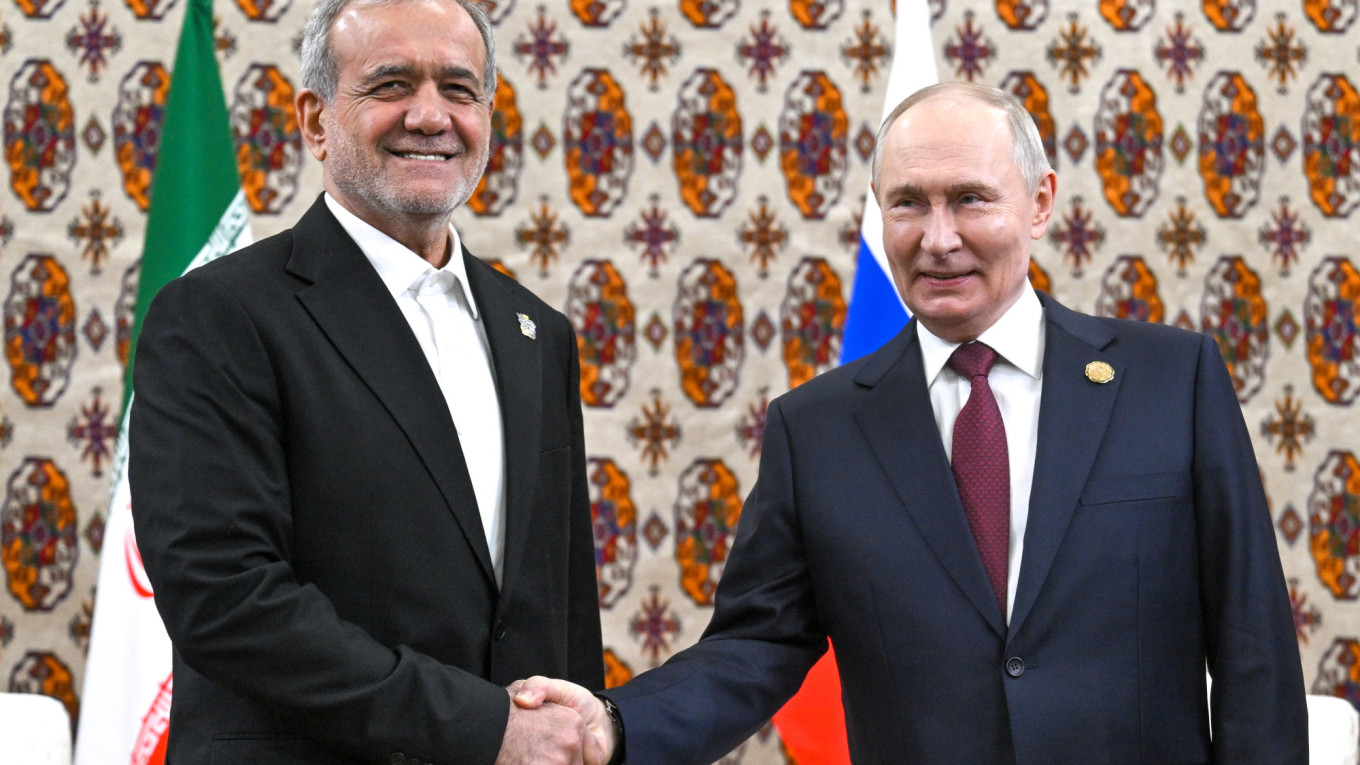
The phone conversation between Russian President Vladimir Putin and Iranian President Masoud Pezeshkian took place against the backdrop of the ongoing escalation of the conflict surrounding Iran and rising tensions in the Middle East. According to the Kremlin, during the call, the Russian side called for an immediate cessation of hostilities and a shift toward a diplomatic resolution of the situation.
According to the official statement, Moscow emphasized the need for de-escalation and advocated for seeking a political solution to the conflict involving the international community. At the same time, the Russian side expressed concern over the further expansion of military operations in the region and the potential consequences for global security and energy markets.
The conversation took place at a time when Iran was subjected to a series of strikes by the United States and its allies, while the situation in the region is rapidly deteriorating. Despite traditionally close political and military ties between Moscow and Tehran, Russia’s response to the current crisis has been noticeably restrained. In its public statements, the Kremlin has avoided direct support for Iran, limiting itself to calls for diplomacy and a ceasefire.
Experts note that this position may reflect Moscow’s desire to maintain a balance between various centers of power in the Middle East and avoid direct involvement in a new large-scale regional conflict. Russia maintains working relations both with Iran and with several other countries in the region, including the Gulf states and Israel, which requires a cautious diplomatic approach.
Furthermore, analysts point out that unlike previous crises, Moscow has yet to issue strong political statements defending Tehran or indicate a willingness to provide Iran with any direct support. This may indicate a pragmatic approach in Russian foreign policy, which amid multiple simultaneous international crises seeks to minimize risks while preserving room for diplomatic maneuver.
Thus, the conversation between the leaders of Russia and Iran demonstrates the continuation of political dialogue between the two countries, while simultaneously revealing Moscow’s cautious and largely distant stance regarding the current escalation surrounding Iran.


 Latest news
Latest news
Latest newsBulgaria Asks NATO to Strengthen Its Defences Amid Black Sea Threats: Sofia Fears Growing Risks to Maritime Shipping
16.Oct.2026
Black Sea Shipping Risks Threaten Bulgaria’s 5 Million Tonnes of Wheat Exports
15.Oct.2026
Georgia’s Foreign Funding and Political Ban Laws Draw Criticism from the Venice Commission
15.Oct.2026
Kazakhstan Promotes a Caspian Green Energy Corridor: Astana Seeks New Routes to the European Market
14.Oct.2026
Inflation in Romania Accelerates to 6.61%: Rising Prices Increase Pressure on Households and the Economy
13.Oct.2026
Can Europe Protect the International Criminal Court from Trump’s Sanctions?
13.Oct.2026
Georgia’s Constitutional Court Continues Case on Banning Opposition Parties: Political Pluralism at Stake
12.Oct.2026
Azerbaijan and Iran Step Up Security Contacts Amid Hijab Protests
12.Oct.2026
Personnel Shortages Complicate Ukrainian Forces’ Rotation: Ukraine Faces Long-Term Challenges on the Front Line
11.Oct.2026
Trump Eases Sanctions on Russian Fuel After Talks with Putin: Kyiv Fears Boost to Moscow’s War Revenues
10.Oct.2026
Putin Seeks to Strengthen Russia’s Influence in the Post-Soviet Space Through the CIS
10.Oct.2026
Russia and the South Caucasus: External Pressure, Political Competition and a Crisis of Trust
10.Oct.2026
Peaceful Settlement Between Armenia and Azerbaijan: Moving from Declarations to Implementation
10.Oct.2026
Moldova Ready to Accept as Many Ukrainians as Necessary if Situation Worsens This Winter
09.Oct.2026
Turkmenistan Turns Avaza into a Regional Diplomatic Hub as Caspian, Central Asian and CIS Agendas Converge
08.Oct.2026