
 17 Oct 2026









War Without Negotiations: U.S. Signals Possible Elimination of Iran’s Leadership
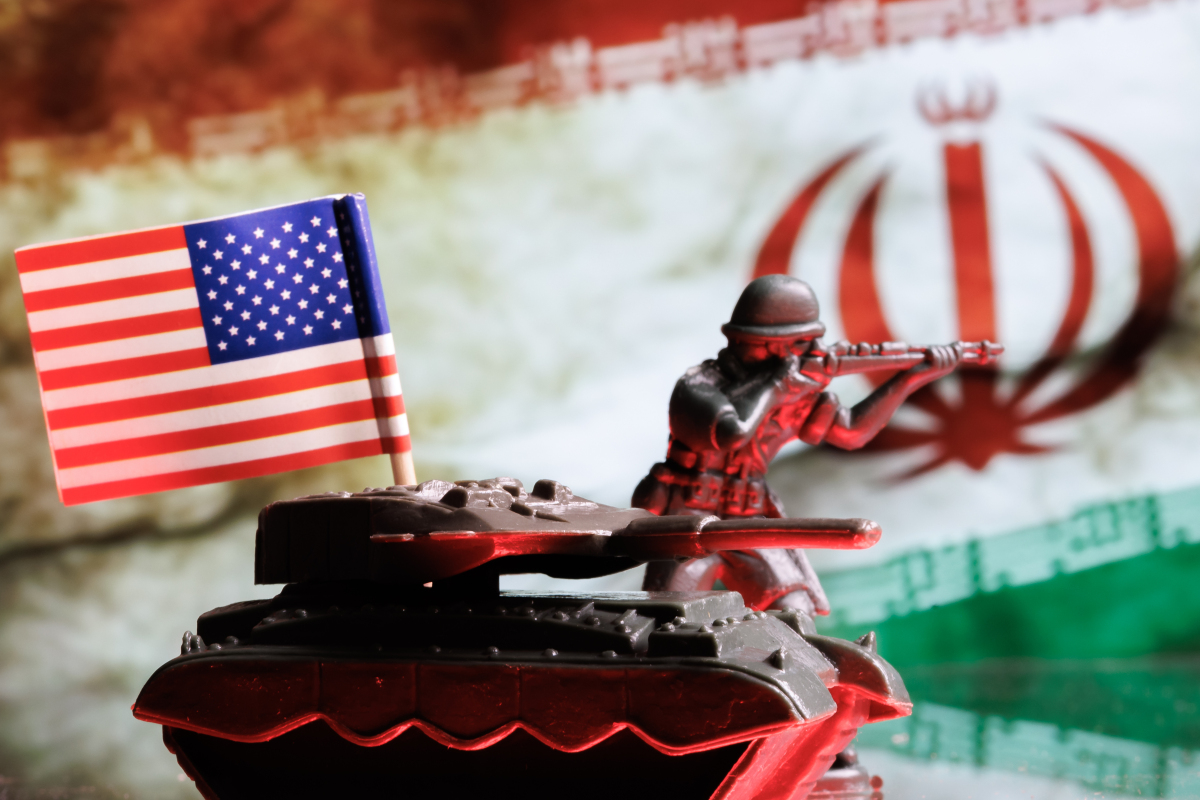
The war between the United States, Israel, and Iran is entering its second week, and political signals from Washington indicate that the U.S. administration is not considering a negotiated end to the conflict. Amid ongoing airstrikes and regional escalation, U.S. President Donald Trump stated that he is not interested in negotiations with Tehran and is willing to consider a scenario in which the war ends only after the destruction of Iran’s military potential and leadership.
According to Trump, an intensive air campaign could make diplomatic negotiations meaningless if there is “no one left in Iran who could declare capitulation”. In this way, Washington is effectively acknowledging the possibility of the complete dismantling of the power structure of the Islamic Republic of Iran as a potential outcome of the war.
Statements from the American president indicate a shift in the nature of the conflict. While in its early days the operation was presented as a strike against Iran’s missile and nuclear infrastructure, the rhetoric now increasingly resembles a campaign aimed at dismantling the country’s regime and military apparatus.
At the same time, Israel has intensified strikes on key targets in Iran, including fuel depots and infrastructure around Tehran. These attacks have triggered large fires and thick clouds of toxic smoke, raising humanitarian and environmental concerns for residents of the capital.
Since the start of the campaign, the allies claim to have inflicted significant damage on Iran’s armed forces. According to their reports, numerous naval facilities, aviation assets, and missile infrastructure sites have been destroyed.
Iran continues to respond with missile and drone attacks across the region. Strikes have been reported against U.S. and allied facilities in Saudi Arabia, Kuwait, United Arab Emirates, and Bahrain, demonstrating Tehran’s attempt to widen the geographic scope of the conflict and increase pressure on Washington’s regional partners.
Against this backdrop, the President of Iran, Masoud Pezeshkian, stated that the attacks on neighboring countries were a response to the use of their territories for strikes against Iran. He also issued an apology to regional states in an attempt to reduce tensions.
Meanwhile, discussions in Washington are focusing on potential next steps. According to sources, the United States and Israel are considering operations to seize or secure Iran’s stockpiles of highly enriched uranium, which could require special operations or limited ground deployments.
Trump has not ruled out the possibility of sending American troops to Iran if necessary, although he emphasized that such a decision would only be made under specific conditions.
Signals coming from Washington suggest that the conflict is shifting from a limited military operation toward a broader strategic campaign aimed at pressuring Iran’s leadership. The U.S. refusal to pursue negotiations, combined with rhetoric about the possible elimination of Iran’s political elite, significantly increases the risk of a prolonged war and further destabilization across the Middle East, particularly as Tehran continues retaliatory strikes and casualties continue to rise.


 Latest news
Latest news
Latest newsBulgaria Asks NATO to Strengthen Its Defences Amid Black Sea Threats: Sofia Fears Growing Risks to Maritime Shipping
16.Oct.2026
Black Sea Shipping Risks Threaten Bulgaria’s 5 Million Tonnes of Wheat Exports
15.Oct.2026
Georgia’s Foreign Funding and Political Ban Laws Draw Criticism from the Venice Commission
15.Oct.2026
Kazakhstan Promotes a Caspian Green Energy Corridor: Astana Seeks New Routes to the European Market
14.Oct.2026
Inflation in Romania Accelerates to 6.61%: Rising Prices Increase Pressure on Households and the Economy
13.Oct.2026
Can Europe Protect the International Criminal Court from Trump’s Sanctions?
13.Oct.2026
Georgia’s Constitutional Court Continues Case on Banning Opposition Parties: Political Pluralism at Stake
12.Oct.2026
Azerbaijan and Iran Step Up Security Contacts Amid Hijab Protests
12.Oct.2026
Personnel Shortages Complicate Ukrainian Forces’ Rotation: Ukraine Faces Long-Term Challenges on the Front Line
11.Oct.2026
Trump Eases Sanctions on Russian Fuel After Talks with Putin: Kyiv Fears Boost to Moscow’s War Revenues
10.Oct.2026
Putin Seeks to Strengthen Russia’s Influence in the Post-Soviet Space Through the CIS
10.Oct.2026
Russia and the South Caucasus: External Pressure, Political Competition and a Crisis of Trust
10.Oct.2026
Peaceful Settlement Between Armenia and Azerbaijan: Moving from Declarations to Implementation
10.Oct.2026
Moldova Ready to Accept as Many Ukrainians as Necessary if Situation Worsens This Winter
09.Oct.2026
Turkmenistan Turns Avaza into a Regional Diplomatic Hub as Caspian, Central Asian and CIS Agendas Converge
08.Oct.2026